THE ADVENTURE COLLECTIVE® · Independent discovery and booking for outdoor travel

Three days of private touring across Angkor’s masterpieces and the floating villages of Tonle Sap. Early starts, evening light and uneven temple stone combine for memorable photos and rich cultural encounters.
Three days of private touring across Angkor’s masterpieces and the floating villages of Tonle Sap. Early starts, evening light and uneven temple stone combine for memorable photos and rich cultural encounters.
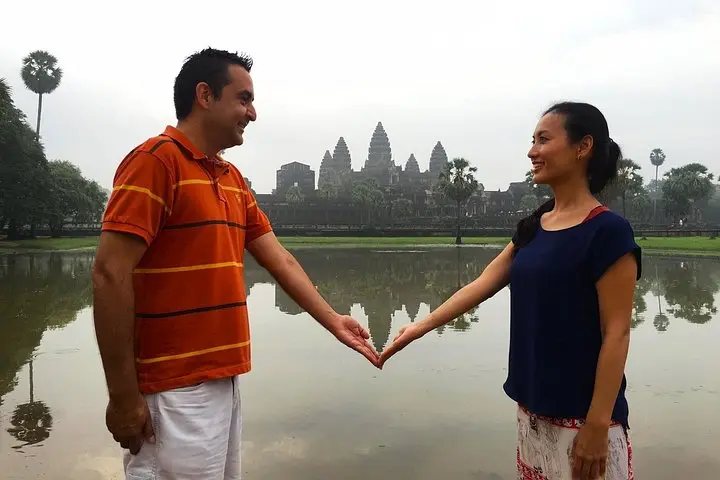
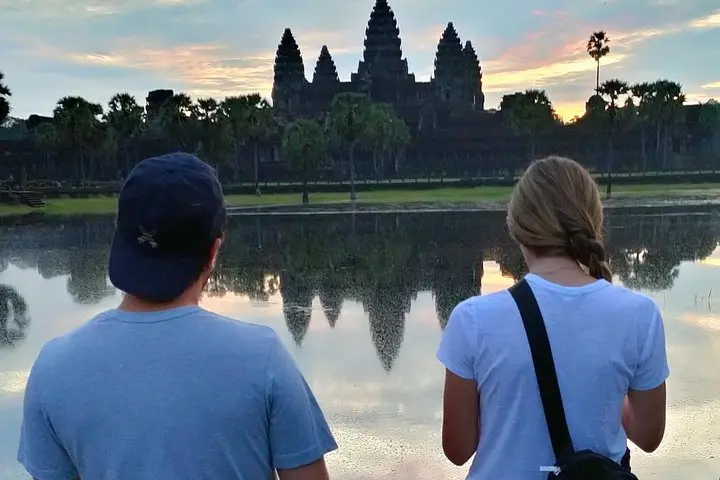
Wake before dawn in Siem Reap and the road to Angkor is still cool; temple spires slice the sky and the moat exhales mist as the first light paints bas-reliefs gold.
Verified experiences and guided adventures in the surrounding area.
Operated by Siem Reap Guide · Siem Reap, Siem Reap Province
Wake before dawn in Siem Reap and the road to Angkor is still cool; temple spires slice the sky and the moat exhales mist as the first light paints bas-reliefs gold.
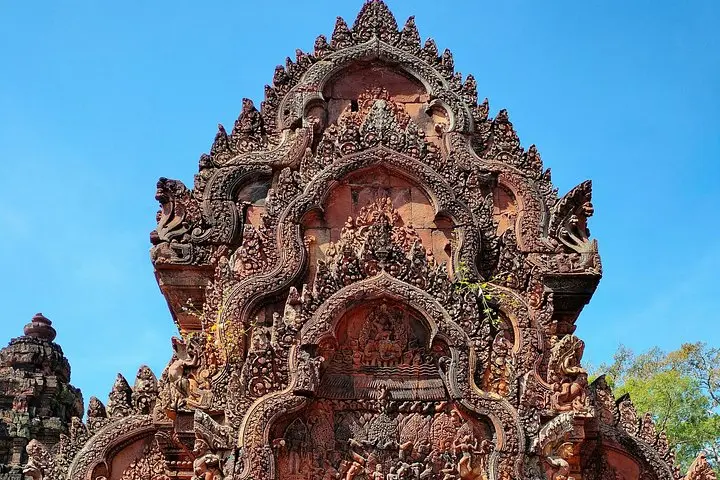
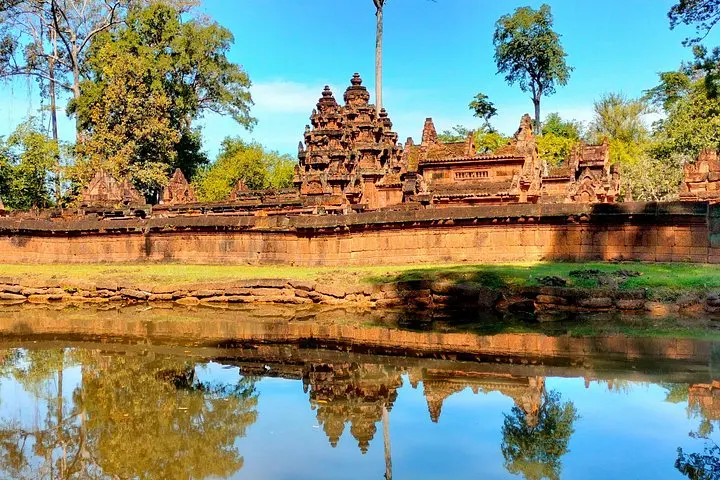
Over three days this private circuit stages the full range of Angkor: a sunrise at Angkor Wat, the jungle-locked roots of Ta Prohm, the hundred-faced towers of Bayon in Angkor Thom, and quieter outliers such as Banteay Srei and the rambling Beng Mealea. The third day shifts gears—an hours-long boat trip across Tonle Sap brings you to Kampong Phluk, where houses rise on stilts and the lake dictates rhythm and livelihood.
Built from sandstone and laterite in the 9th–12th centuries, these monuments record the Khmer empire’s religious shifts and hydraulic engineering; the landscape still shows irrigation works and seasonal floodplain dynamics. Local culture threads through the tour: saffron-robed monks, village markets, and stilt-house fishing communities offer human-scale counterpoints to monolithic stone.
Practical edge: an Angkor multi-day pass is required; dress conservatively (shoulders and knees covered) to enter sacred sites. Expect uneven stone steps, dusty tracks and heat—plan sunrise and late-afternoon visits for softer light and cooler hiking. Beng Mealea is rough underfoot; bring sturdy shoes. For Kampong Phluk, boat schedules depend on water level—high water makes the stilt village spectacular, low water exposes mudflats.
Carry cash for small purchases and guide tips, hydrate frequently, apply sun protection, and move deliberately around fragile carvings. A private vehicle and local guide compress transit time, leaving more hours to watch light change the stones.
No—the tour does not include the Angkor World Heritage Site pass; you can purchase 3-day passes at the park entrance on day one.
Yes, but the experience changes with water level: high season (wet months) submerges walkways and highlights stilt-houses; low water exposes mudflats and alters boat routes.
Yes—infants and small children can join, but rules note they must sit on laps for transport and some temples have steep stairs; assess mobility and supervision needs.
Dry months (November–February) offer cooler temperatures and more stable skies for sunrise/sunset photography; the wet season (May–October) has lush greenery and dramatic skies but sporadic rain.
Siem Reap Guide operates guided outdoor trips and adventures with an emphasis on safety, stewardship, and memorable experiences.
Wake before dawn in Siem Reap and the road to Angkor is still cool; temple spires slice the sky and the moat exhales mist as the first light paints bas-reliefs gold.
Wake before dawn in Siem Reap and the road to Angkor is still cool; temple spires slice the sky and the moat exhales mist as the first light paints bas-reliefs gold.
Over three days this private circuit stages the full range of Angkor: a sunrise at Angkor Wat, the jungle-locked roots of Ta Prohm, the hundred-faced towers of Bayon in Angkor Thom, and quieter outliers such as Banteay Srei and the rambling Beng Mealea. The third day shifts gears—an hours-long boat trip across Tonle Sap brings you to Kampong Phluk, where houses rise on stilts and the lake dictates rhythm and livelihood.
Built from sandstone and laterite in the 9th–12th centuries, these monuments record the Khmer empire’s religious shifts and hydraulic engineering; the landscape still shows irrigation works and seasonal floodplain dynamics. Local culture threads through the tour: saffron-robed monks, village markets, and stilt-house fishing communities offer human-scale counterpoints to monolithic stone.
Practical edge: an Angkor multi-day pass is required; dress conservatively (shoulders and knees covered) to enter sacred sites. Expect uneven stone steps, dusty tracks and heat—plan sunrise and late-afternoon visits for softer light and cooler hiking. Beng Mealea is rough underfoot; bring sturdy shoes. For Kampong Phluk, boat schedules depend on water level—high water makes the stilt village spectacular, low water exposes mudflats.
Carry cash for small purchases and guide tips, hydrate frequently, apply sun protection, and move deliberately around fragile carvings. A private vehicle and local guide compress transit time, leaving more hours to watch light change the stones.