THE ADVENTURE COLLECTIVE® · Independent discovery and booking for outdoor travel

Three cities, three eras: trace Mughal tombs, imperial forts and Rajput palaces on a private 3‑day loop from Delhi. Early starts, short walks and a guide to handle logistics make this a focused cultural run through India’s Golden Triangle.
Three cities, three eras: trace Mughal tombs, imperial forts and Rajput palaces on a private 3‑day loop from Delhi. Early starts, short walks and a guide to handle logistics make this a focused cultural run through India’s Golden Triangle.
The alarm comes early and the city is already awake: horns, chai stalls and the thin light over New Delhi as your private car threads toward the Qutub Minar.
Verified experiences and guided adventures in the surrounding area.
Operated by Agra Taj Visit · New Delhi, Delhi
The alarm comes early and the city is already awake: horns, chai stalls and the thin light over New Delhi as your private car threads toward the Qutub Minar.
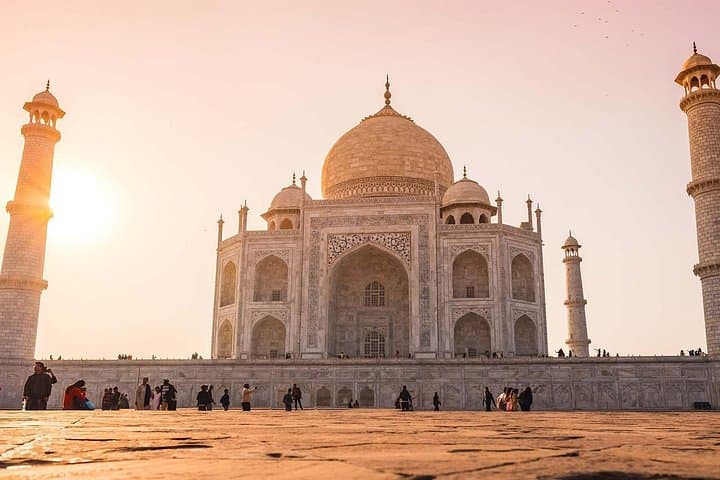
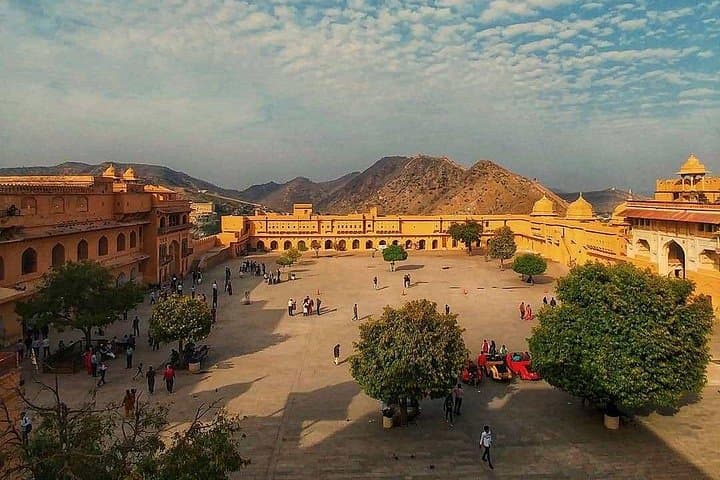
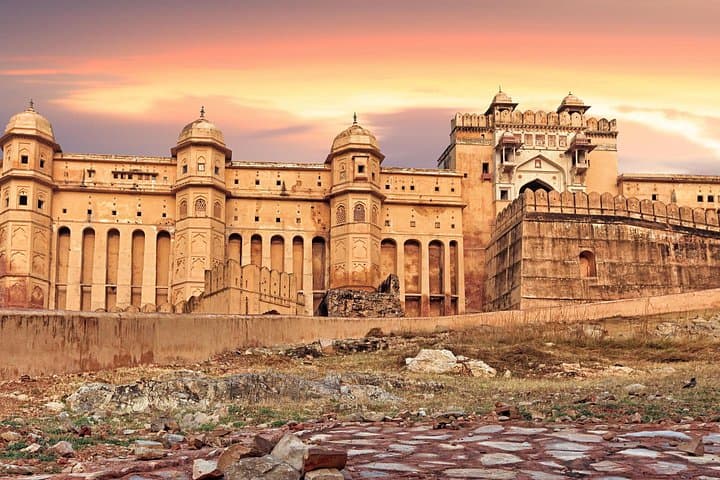
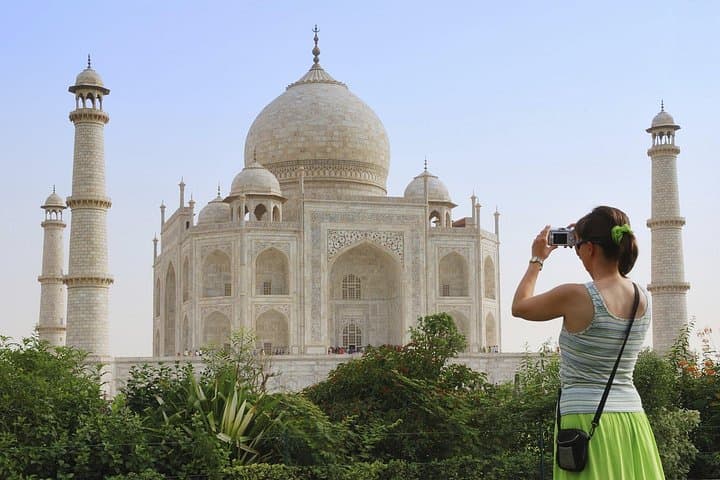
Over three days the road becomes a living map—stone and marble telling stories of empire and craft. In Delhi you move between Mughal domes and British avenues; Agra presents the Taj Mahal's perfect white relief against the pale Yamuna, then the red-sandstone fortifications of Agra Fort. En route to Jaipur the deserted courtyards of Fatehpur Sikri show how water politics and empire shaped cities. In Jaipur, hilltop Amer Fort watches over the Pink City, while the ornate latticed face of Hawa Mahal opens onto narrow bazaars where block-print and gemstone workshops hum.
Geology and craft are visible everywhere: Makrana marble that makes the Taj glow, local sandstone cut into layered forts, and lacquered woodwork in palace interiors. Culturally, expect ritual rhythms—morning prayers, markets that swell mid-morning, and the clear rules at monuments about covered shoulders and modest dress.
Practically, plan for early starts (sunrise at the Taj is the calmest hour), comfortable shoes for steps and courtyards, and a light layer for early mornings. Your private vehicle and guide handle logistics—hotel pickup, transfers, and bottled water—so you can focus on photography, short market detours, and timing entrances to avoid crowds. Respect dress codes in religious sites, carry cash for small purchases, and leave extra time for traffic; these small choices make the differences between a rushed trip and a memorable three-day passage through India’s most iconic cities.
Entry fees and special access passes (where required) are typically not included; check with the operator and carry cash or a card for tickets.
Yes—private pickup and drop-off from airports, railway stations or hotels in Delhi are included as part of the transfer services.
This is a private tour and the schedule can be adjusted subject to monument hours and traffic—discuss priorities with your guide in advance.
Yes—physically easy with vehicle transfers, but expect stairs and walking; notify operators of mobility needs to arrange pacing or alternative access where possible.
Agra Taj Visit operates guided outdoor trips and adventures with an emphasis on safety, stewardship, and memorable experiences.
The alarm comes early and the city is already awake: horns, chai stalls and the thin light over New Delhi as your private car threads toward the Qutub Minar.
The alarm comes early and the city is already awake: horns, chai stalls and the thin light over New Delhi as your private car threads toward the Qutub Minar.
Over three days the road becomes a living map—stone and marble telling stories of empire and craft. In Delhi you move between Mughal domes and British avenues; Agra presents the Taj Mahal's perfect white relief against the pale Yamuna, then the red-sandstone fortifications of Agra Fort. En route to Jaipur the deserted courtyards of Fatehpur Sikri show how water politics and empire shaped cities. In Jaipur, hilltop Amer Fort watches over the Pink City, while the ornate latticed face of Hawa Mahal opens onto narrow bazaars where block-print and gemstone workshops hum.
Geology and craft are visible everywhere: Makrana marble that makes the Taj glow, local sandstone cut into layered forts, and lacquered woodwork in palace interiors. Culturally, expect ritual rhythms—morning prayers, markets that swell mid-morning, and the clear rules at monuments about covered shoulders and modest dress.
Practically, plan for early starts (sunrise at the Taj is the calmest hour), comfortable shoes for steps and courtyards, and a light layer for early mornings. Your private vehicle and guide handle logistics—hotel pickup, transfers, and bottled water—so you can focus on photography, short market detours, and timing entrances to avoid crowds. Respect dress codes in religious sites, carry cash for small purchases, and leave extra time for traffic; these small choices make the differences between a rushed trip and a memorable three-day passage through India’s most iconic cities.