THE ADVENTURE COLLECTIVE® · Independent discovery and booking for outdoor travel

Walk Birmingham at your own pace with a private guide on a three-hour tour through city centre highlights and the historic Jewellery Quarter. Expect canalside paths, civic architecture, and hands-on stories of the city’s industrial rise.
Walk Birmingham at your own pace with a private guide on a three-hour tour through city centre highlights and the historic Jewellery Quarter. Expect canalside paths, civic architecture, and hands-on stories of the city’s industrial rise.
The city opens up underfoot: brick-lined canal towpaths, iron shopfronts catching the low light, and the steady tick of a large clock over the Jewellery Quarter as your guide sets the pace.
Verified experiences and guided adventures in the surrounding area.
Operated by Walking Tours in England · Birmingham, West Midlands
The city opens up underfoot: brick-lined canal towpaths, iron shopfronts catching the low light, and the steady tick of a large clock over the Jewellery Quarter as your guide sets the pace.
Start in the shadow of Birmingham Cathedral where narrow streets and broad civic squares meet. The tour threads through Victoria Square and past the Town Hall—buildings that grew from the city's explosive 18th- and 19th-century industrial expansion. Geology and industry are visible in the grit: shallow coal seams and local sandstones once fueled foundries and factories, while the canal network carried raw materials and finished goods across the Midlands.
Culture here is layered—Victorian civic ambition sits beside modern galleries, and the Jewellery Quarter still hums with workshops turning silver and gold into medals and small fortunes. Expect stories of inventors, reformers, and the Cadbury family, and a look at wartime memorials and industrial heritage that shaped modern Birmingham.
Practical guidance: the 3‑hour private format means a steady walking pace with frequent stops; surfaces include paved streets and short canal-side paths. Comfortable, supportive shoes and rainproof outerwear are advisable year-round. The route is largely wheelchair accessible but confirm specifics when booking. Bring a small water bottle, a charged phone for photos and local map access, and some change or card for a café stop in the Jewellery Quarter. Morning departures are best for quieter streets and better light; late afternoons give the canals a golden cast. This tour suits curious travelers who want a compact, contextual introduction to Birmingham’s past and present.
Much of the route is wheelchair accessible and the operator lists wheelchair access—confirm specific needs at booking.
Yes, the provider offers pick-up in the city centre; confirm meeting location when you book.
No—this is a walking tour focused on streets, exteriors, and stories; paid museum entries are not included unless specified.
The listing indicates an English-speaking local guide for private tours; ask about other languages when booking.
Walking Tours in England operates guided outdoor trips and adventures with an emphasis on safety, stewardship, and memorable experiences.
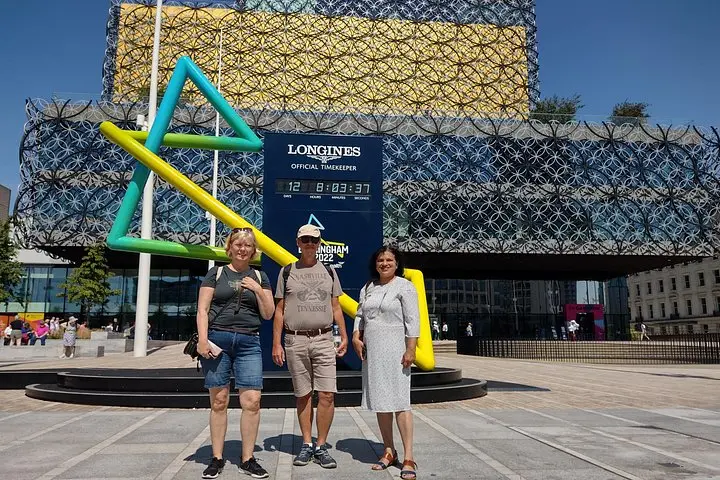
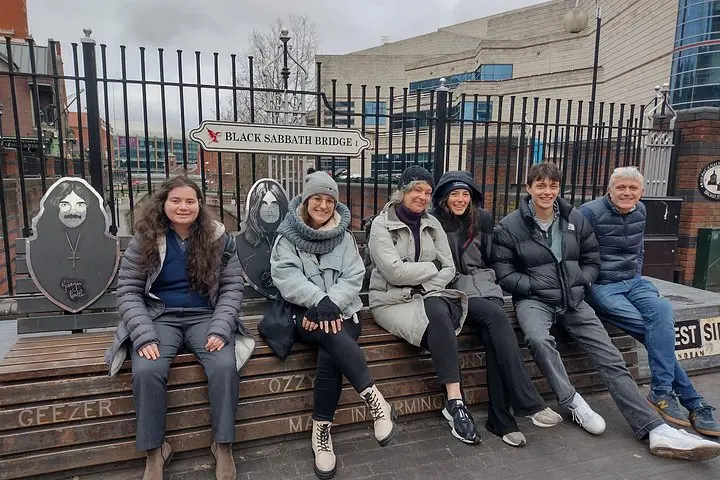
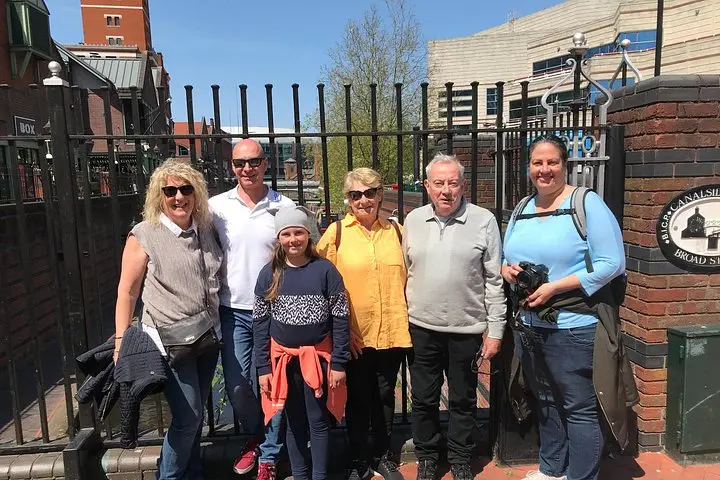
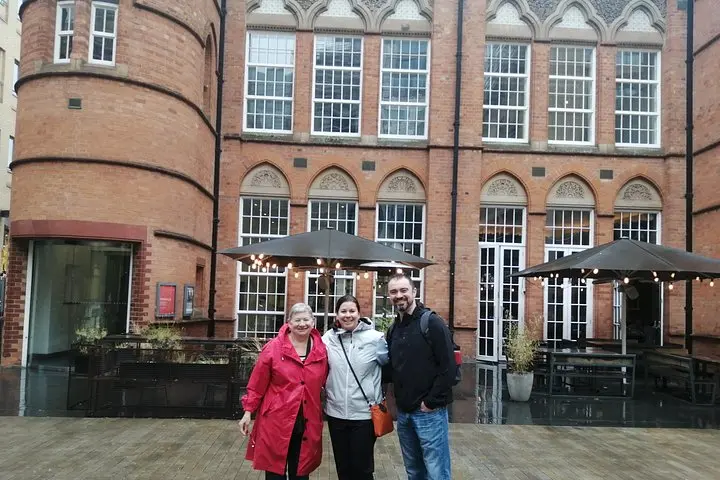
The city opens up underfoot: brick-lined canal towpaths, iron shopfronts catching the low light, and the steady tick of a large clock over the Jewellery Quarter as your guide sets the pace.
The city opens up underfoot: brick-lined canal towpaths, iron shopfronts catching the low light, and the steady tick of a large clock over the Jewellery Quarter as your guide sets the pace.
Start in the shadow of Birmingham Cathedral where narrow streets and broad civic squares meet. The tour threads through Victoria Square and past the Town Hall—buildings that grew from the city's explosive 18th- and 19th-century industrial expansion. Geology and industry are visible in the grit: shallow coal seams and local sandstones once fueled foundries and factories, while the canal network carried raw materials and finished goods across the Midlands.
Culture here is layered—Victorian civic ambition sits beside modern galleries, and the Jewellery Quarter still hums with workshops turning silver and gold into medals and small fortunes. Expect stories of inventors, reformers, and the Cadbury family, and a look at wartime memorials and industrial heritage that shaped modern Birmingham.
Practical guidance: the 3‑hour private format means a steady walking pace with frequent stops; surfaces include paved streets and short canal-side paths. Comfortable, supportive shoes and rainproof outerwear are advisable year-round. The route is largely wheelchair accessible but confirm specifics when booking. Bring a small water bottle, a charged phone for photos and local map access, and some change or card for a café stop in the Jewellery Quarter. Morning departures are best for quieter streets and better light; late afternoons give the canals a golden cast. This tour suits curious travelers who want a compact, contextual introduction to Birmingham’s past and present.