THE ADVENTURE COLLECTIVE® · Independent discovery and booking for outdoor travel

Spend three hours with an expert guide exploring the British Museum’s standout objects — from the Rosetta Stone to Egyptian mummies — and get context on provenance, conservation, and controversial histories. This private tour adapts to your interests and avoids the rush of a cookie-cutter visit.
Spend three hours with an expert guide exploring the British Museum’s standout objects — from the Rosetta Stone to Egyptian mummies — and get context on provenance, conservation, and controversial histories. This private tour adapts to your interests and avoids the rush of a cookie-cutter visit.
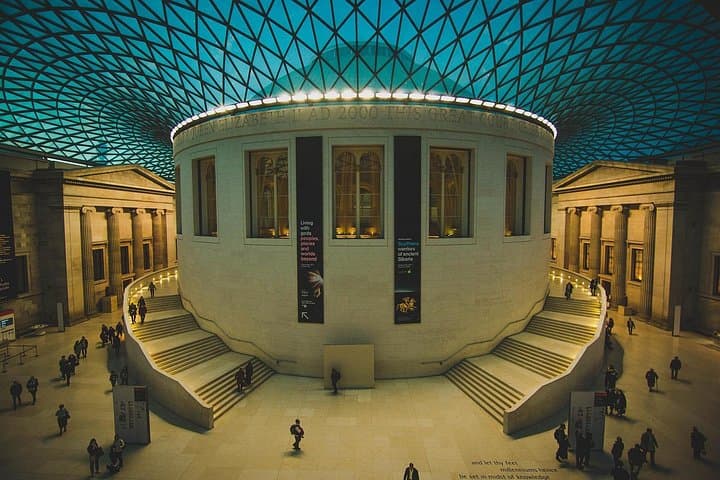
You step from Bloomsbury street noise into a cathedral of objects: the Great Court’s glass roof lifts the London light and the first cases already hum with histories. A private guide waits, not with a script but questions — which corners of human story do you want to press into? Over three hours you move from the Rosetta Stone’s pitted surface to the silent stare of an Easter Island moai, each object carrying a tangible provenance and the weight of contested histories.
Verified experiences and guided adventures in the surrounding area.
Operated by The Museum Guide · London, England
You step from Bloomsbury street noise into a cathedral of objects: the Great Court’s glass roof lifts the London light and the first cases already hum with histories. A private guide waits, not with a script but questions — which corners of human story do you want to press into? Over three hours you move from the Rosetta Stone’s pitted surface to the silent stare of an Easter Island moai, each object carrying a tangible provenance and the weight of contested histories.
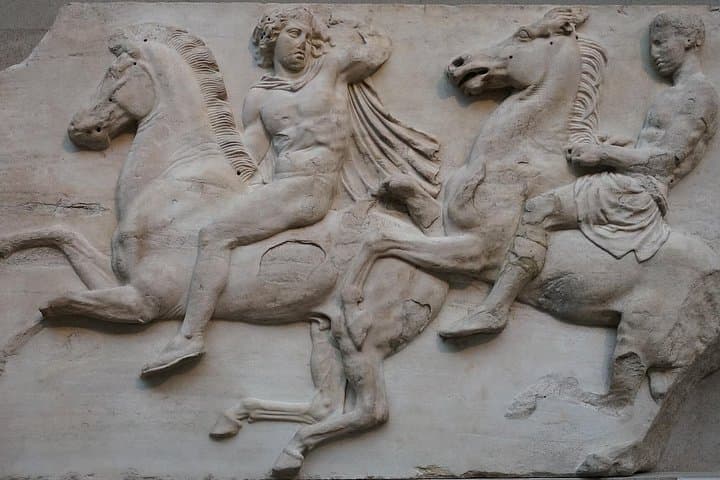
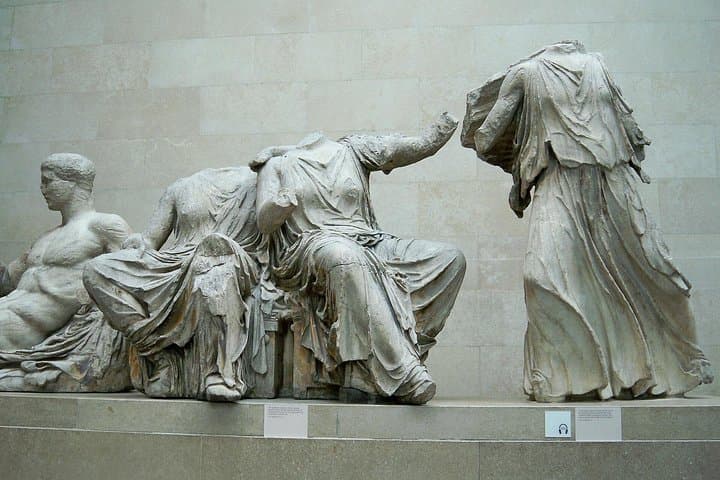
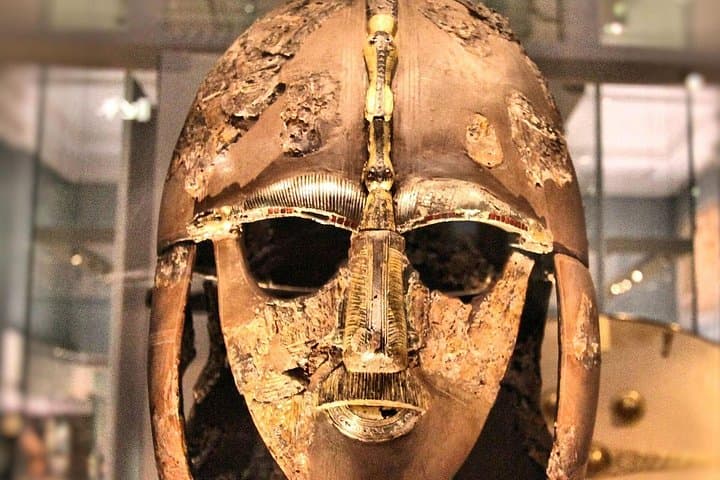
The museum began in 1753 from Sir Hans Sloane’s collection and grew into a scientific and imperial archive; many pieces are carved from volcanic basalt, limestone, or hard Egyptian alabaster — geology that ties artifacts to places and trade routes. Culturally, the galleries map empires, craft traditions, and modern debates about stewardship and repatriation. Local insight: the quieter rooms are often the lower-numbered galleries early on weekdays, and there’s a lesser-known staff entrance near Montague Place used for group access.
Practically, expect slow walking, repeated stops, and moments to sit in the Great Court. The guide adapts to your interests, so tell them your priorities at the start. Photography is allowed in many rooms but not for all objects; check signage. The building is largely wheelchair accessible and the tour suits most fitness levels, but plan for three hours on your feet and bring a bottle of water. If you crave depth over breadth, ask to linger in one period rather than race the map — the museum rewards patience.
General admission to the British Museum is free; this private tour is a paid guiding service. Your booking confirms the guide; the guide will facilitate entry through an advised entrance.
Yes — the museum and this tour are wheelchair accessible. Note accessibility options during booking so the guide can plan an accessible route.
Photography is permitted in many galleries for personal use but some objects or temporary exhibitions prohibit photography — follow signs and the guide’s instructions.
Absolutely. The guide asks your preferences at the start and will prioritize galleries or themes you request, making it a bespoke three-hour visit.
The Museum Guide operates guided outdoor trips and adventures with an emphasis on safety, stewardship, and memorable experiences.
You step from Bloomsbury street noise into a cathedral of objects: the Great Court’s glass roof lifts the London light and the first cases already hum with histories. A private guide waits, not with a script but questions — which corners of human story do you want to press into? Over three hours you move from the Rosetta Stone’s pitted surface to the silent stare of an Easter Island moai, each object carrying a tangible provenance and the weight of contested histories.
You step from Bloomsbury street noise into a cathedral of objects: the Great Court’s glass roof lifts the London light and the first cases already hum with histories. A private guide waits, not with a script but questions — which corners of human story do you want to press into? Over three hours you move from the Rosetta Stone’s pitted surface to the silent stare of an Easter Island moai, each object carrying a tangible provenance and the weight of contested histories.
The museum began in 1753 from Sir Hans Sloane’s collection and grew into a scientific and imperial archive; many pieces are carved from volcanic basalt, limestone, or hard Egyptian alabaster — geology that ties artifacts to places and trade routes. Culturally, the galleries map empires, craft traditions, and modern debates about stewardship and repatriation. Local insight: the quieter rooms are often the lower-numbered galleries early on weekdays, and there’s a lesser-known staff entrance near Montague Place used for group access.
Practically, expect slow walking, repeated stops, and moments to sit in the Great Court. The guide adapts to your interests, so tell them your priorities at the start. Photography is allowed in many rooms but not for all objects; check signage. The building is largely wheelchair accessible and the tour suits most fitness levels, but plan for three hours on your feet and bring a bottle of water. If you crave depth over breadth, ask to linger in one period rather than race the map — the museum rewards patience.