THE ADVENTURE COLLECTIVE® · Independent discovery and booking for outdoor travel

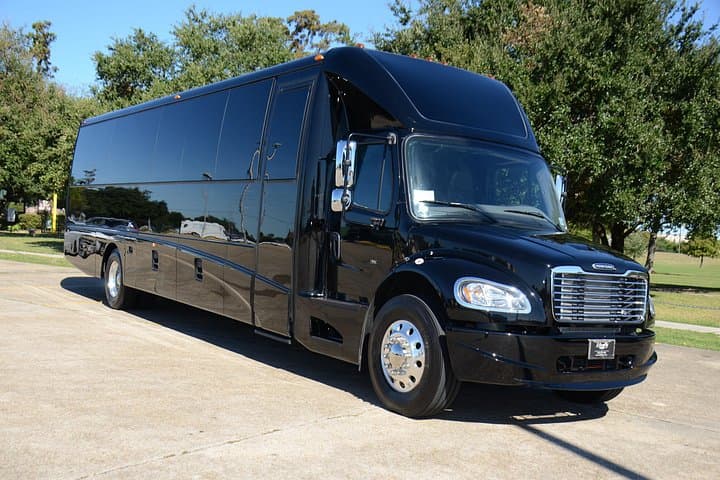
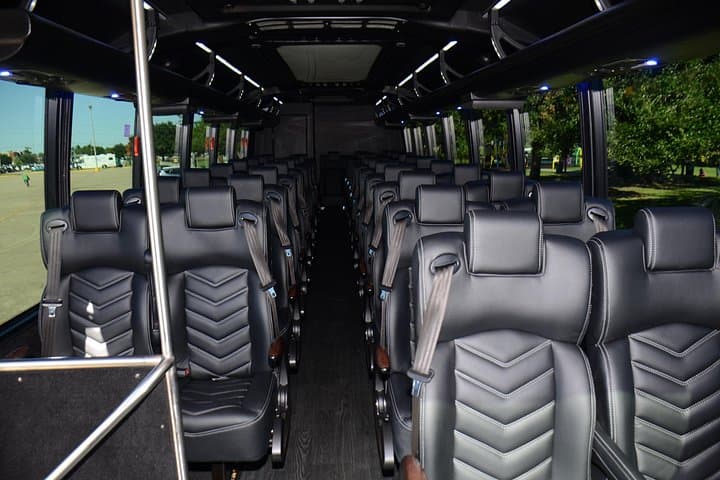
A private 39-passenger bus provides door-to-door transport from MSY airport or the port into downtown New Orleans. Expect direct pickups, luggage storage, onboard restroom and a one-hour transfer that crosses the city’s marsh-lined approaches.
A private 39-passenger bus provides door-to-door transport from MSY airport or the port into downtown New Orleans. Expect direct pickups, luggage storage, onboard restroom and a one-hour transfer that crosses the city’s marsh-lined approaches.
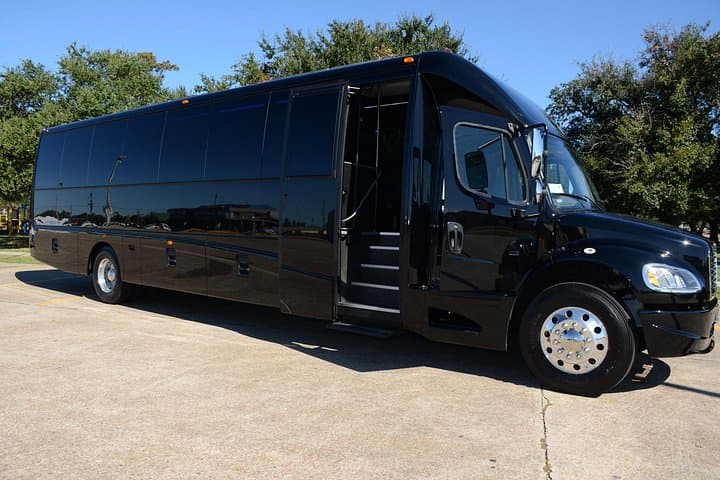
You step off the plane and the Gulf humidity pushes against you like a welcome. A driver calls with a cell-phone ping, directs you to a curb where a black 39-passenger limo-style bus idles with tinted windows and a luggage bay ready. The ride out of Louis Armstrong New Orleans International Airport traces the engines of the city — highways that bridge wetlands, the distant sweep of Lake Pontchartrain, and the Mississippi’s curve toward the French Quarter.
Verified experiences and guided adventures in the surrounding area.
Operated by Riculfy Livery LLC · New Orleans, Louisiana
You step off the plane and the Gulf humidity pushes against you like a welcome. A driver calls with a cell-phone ping, directs you to a curb where a black 39-passenger limo-style bus idles with tinted windows and a luggage bay ready. The ride out of Louis Armstrong New Orleans International Airport traces the engines of the city — highways that bridge wetlands, the distant sweep of Lake Pontchartrain, and the Mississippi’s curve toward the French Quarter.
New Orleans grew where river and delta meet the Gulf; the airport and port exist because cargo and culture followed those waterways. Geology here is soft — reclaimed marsh and silt — which explains the long causeways and levees you’ll cross. Culturally the drive moves from airport signage into neighborhoods where brass music leaks from bars, and Spanish and French street names hint at layered colonial histories.
On this short transfer you get a practical cross-section of Greater New Orleans: industrial terminals, marsh fringe, suburban strips, then the narrow streets that deliver you to downtown or the cruise terminal. Drivers typically know the best drop-off points for the French Quarter, CBD, and the Port of New Orleans.
Practical guidance: allow at least 60 minutes for the transfer plus buffer for airport or port queues; confirm pickup details and a contact number before arrival; pack a small carry-on that’s easy to stow; expect air conditioning and an onboard restroom but limited space for oversized luggage. If your schedule is tight, reference terminal maps and local traffic patterns — rush hours and cruise embarkation can add time.
The driver will call upon arrival and give an exact curbside meeting point by terminal; follow airport signage to the curbside pickup area noted in that call.
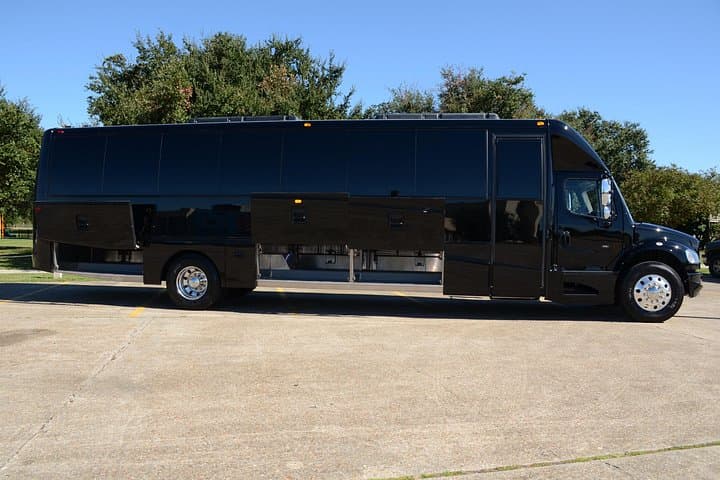
The bus has undercarriage compartments and overhead room; standard carry-ons and checked bags fit, but oversized items should be disclosed when booking.
Yes — the vehicle includes an onboard restroom, but restroom availability is limited and best used before disembarkation in busy downtown areas.
This service is sold as final; the operator lists an all-sales-final cancellation policy with no refunds for cancellations.
Riculfy Livery LLC operates guided outdoor trips and adventures with an emphasis on safety, stewardship, and memorable experiences.
You step off the plane and the Gulf humidity pushes against you like a welcome. A driver calls with a cell-phone ping, directs you to a curb where a black 39-passenger limo-style bus idles with tinted windows and a luggage bay ready. The ride out of Louis Armstrong New Orleans International Airport traces the engines of the city — highways that bridge wetlands, the distant sweep of Lake Pontchartrain, and the Mississippi’s curve toward the French Quarter.
You step off the plane and the Gulf humidity pushes against you like a welcome. A driver calls with a cell-phone ping, directs you to a curb where a black 39-passenger limo-style bus idles with tinted windows and a luggage bay ready. The ride out of Louis Armstrong New Orleans International Airport traces the engines of the city — highways that bridge wetlands, the distant sweep of Lake Pontchartrain, and the Mississippi’s curve toward the French Quarter.
New Orleans grew where river and delta meet the Gulf; the airport and port exist because cargo and culture followed those waterways. Geology here is soft — reclaimed marsh and silt — which explains the long causeways and levees you’ll cross. Culturally the drive moves from airport signage into neighborhoods where brass music leaks from bars, and Spanish and French street names hint at layered colonial histories.
On this short transfer you get a practical cross-section of Greater New Orleans: industrial terminals, marsh fringe, suburban strips, then the narrow streets that deliver you to downtown or the cruise terminal. Drivers typically know the best drop-off points for the French Quarter, CBD, and the Port of New Orleans.
Practical guidance: allow at least 60 minutes for the transfer plus buffer for airport or port queues; confirm pickup details and a contact number before arrival; pack a small carry-on that’s easy to stow; expect air conditioning and an onboard restroom but limited space for oversized luggage. If your schedule is tight, reference terminal maps and local traffic patterns — rush hours and cruise embarkation can add time.