THE ADVENTURE COLLECTIVE® · Independent discovery and booking for outdoor travel

Hike the classic four-day Inca Trail from KM82 to Machu Picchu, arriving through the Sun Gate after high Andean passes, Incan ruins, and cloud-forest terraces. This private itinerary includes tents, a chef, porters and a Vistadome train return.
Hike the classic four-day Inca Trail from KM82 to Machu Picchu, arriving through the Sun Gate after high Andean passes, Incan ruins, and cloud-forest terraces. This private itinerary includes tents, a chef, porters and a Vistadome train return.
Dawn breaks on a thin Andean air as you climb away from KM82, the valley below a toy-scape of terraces and ribbon rivers daring you onward.
Verified experiences and guided adventures in the surrounding area.
Operated by Cultural Immersion Travel Peru E.I.R.L. · Cusco, Cusco Region
Dawn breaks on a thin Andean air as you climb away from KM82, the valley below a toy-scape of terraces and ribbon rivers daring you onward.
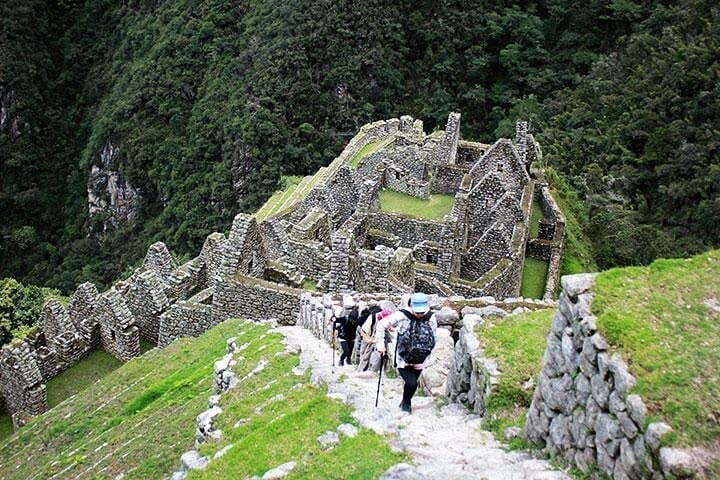
Over four days the trail pushes and releases you — steady uphill to Wayllabamba, the hard-earned crest at Dead Woman’s Pass, and long descents through cloud forest to Wiñay Wayna and the Sun Gate. Stone stairways laid by Inca hands route you past high-altitude agricultural sites, circular ruin stations and carved niches that read like a ledger of empire and engineering.
Geology here is muscular: folded volcanic and sedimentary rock heaved by the same tectonic forces that raise the Andes, where steep valleys channel mist and sudden weather. Culture is immediate — Quechua place names, terraces that still show ancient farming patterns, and the living connection between villages and the sacred mountain Huayna Picchu.
Expect close-up archaeology — Sayacmarca’s cliff-top outpost, Phuyupatamarca’s ceremonial baths — before sunlight opens on Machu Picchu from Inti Punku. Guides translate not just stone, but context: water control, sacred axes, and the site's role in Inca cosmology.
Practical edge: acclimatize in Cusco for at least two nights, carry a small daypack, and plan for weather swings between high alpine and humid cloud forest. The itinerary includes chef-prepared meals, tents, porters and a Vistadome train return. Permits are required and limited; book well ahead.
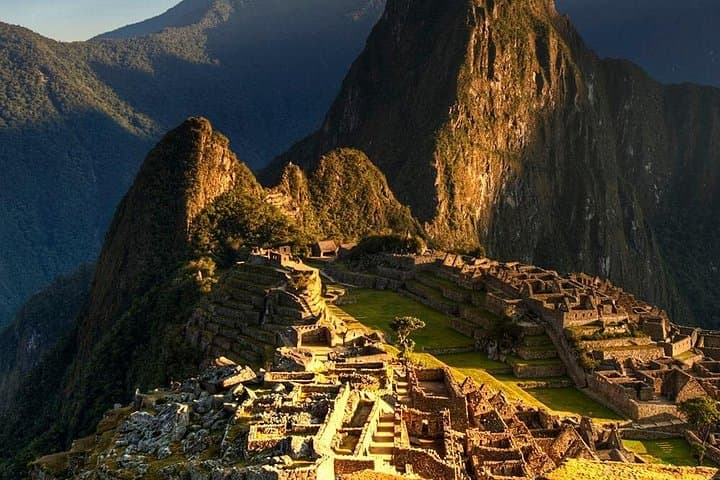
When you step through the Sun Gate, the ruins don’t reveal themselves so much as greet you — an arrival that rewards endurance with perspective.
Yes — the Inca Trail requires a government-issued permit tied to your passport and a licensed guide; permits sell out, especially May–September.
Dead Woman’s Pass reaches about 4,200 m and involves several hours of steep ascent; pacing and acclimatization are critical.
This private itinerary includes tents for two, foam mattresses, meals on trek, chef and porters, bilingual guide, transfers, and Vistadome train back.
Symptoms can appear despite fitness; hydrate, ascend slowly, avoid alcohol, and consider medication after consulting a doctor; guides carry first aid and oxygen.
Cultural Immersion Travel Peru E.I.R.L. operates guided outdoor trips and adventures with an emphasis on safety, stewardship, and memorable experiences.
Dawn breaks on a thin Andean air as you climb away from KM82, the valley below a toy-scape of terraces and ribbon rivers daring you onward.
Dawn breaks on a thin Andean air as you climb away from KM82, the valley below a toy-scape of terraces and ribbon rivers daring you onward.
Over four days the trail pushes and releases you — steady uphill to Wayllabamba, the hard-earned crest at Dead Woman’s Pass, and long descents through cloud forest to Wiñay Wayna and the Sun Gate. Stone stairways laid by Inca hands route you past high-altitude agricultural sites, circular ruin stations and carved niches that read like a ledger of empire and engineering.
Geology here is muscular: folded volcanic and sedimentary rock heaved by the same tectonic forces that raise the Andes, where steep valleys channel mist and sudden weather. Culture is immediate — Quechua place names, terraces that still show ancient farming patterns, and the living connection between villages and the sacred mountain Huayna Picchu.
Expect close-up archaeology — Sayacmarca’s cliff-top outpost, Phuyupatamarca’s ceremonial baths — before sunlight opens on Machu Picchu from Inti Punku. Guides translate not just stone, but context: water control, sacred axes, and the site's role in Inca cosmology.
Practical edge: acclimatize in Cusco for at least two nights, carry a small daypack, and plan for weather swings between high alpine and humid cloud forest. The itinerary includes chef-prepared meals, tents, porters and a Vistadome train return. Permits are required and limited; book well ahead.
When you step through the Sun Gate, the ruins don’t reveal themselves so much as greet you — an arrival that rewards endurance with perspective.