THE ADVENTURE COLLECTIVE® · Independent discovery and booking for outdoor travel

A four-day corridor from Quito’s hot springs into the Napo Basin, this private tour pairs thermal pools at Papallacta with a stay at La Casa del Suizo jungle lodge. Expect bird-rich mornings, river crossings by canoe, and basic lodge comforts framed by outstanding biodiversity.
A four-day corridor from Quito’s hot springs into the Napo Basin, this private tour pairs thermal pools at Papallacta with a stay at La Casa del Suizo jungle lodge. Expect bird-rich mornings, river crossings by canoe, and basic lodge comforts framed by outstanding biodiversity.
Stepping out of the van on a high Andean ridge, steam rises from stone pools and the air tastes mineral-sharp — that’s the opening act of this four-day corridor from Quito down into the Napo Basin. The route folds from the volcanic páramo into humid lowland forest; on day one guests soak at Termas de Papallacta where thermal pools and a short Polylepis hike introduce the region’s altitude and geology.
Verified experiences and guided adventures in the surrounding area.
Operated by Great Horned Owl Tours · Quito, Pichincha
Stepping out of the van on a high Andean ridge, steam rises from stone pools and the air tastes mineral-sharp — that’s the opening act of this four-day corridor from Quito down into the Napo Basin. The route folds from the volcanic páramo into humid lowland forest; on day one guests soak at Termas de Papallacta where thermal pools and a short Polylepis hike introduce the region’s altitude and geology.
By day two the landscape shifts. A winding road and a brief canoe crossing over the Napo deliver travelers to La Casa del Suizo in Ahuano, a modest jungle lodge where river calls and insect choruses keep you awake at first. Guides lead dawn birding at Guango or shorter interpretive trails through secondary forest; afternoons can include canoe rides for caiman spotting and nocturnal walks to see tarantulas and tree frogs.
The history here is layered: highland volcanic activity created the eastern Andean slopes, feeding rivers that shaped indigenous travel corridors; the Kichwa communities and rubber-era outposts still influence local culture and cuisine. Biodiversity is the headline — orchids, toucans, monkeys and hundreds of bird species — and the Napo’s currents feel like the region’s nervous system, always moving.
Practical notes: the tour is rated easy but involves long vehicle transfers and basic lodge accommodations. Pack a lightweight rain jacket, good closed-toe shoes, insect protection and a small daypack. Dawn and dusk are the most active wildlife windows; carry water, move slowly on trails, and follow guide instructions for river crossings and boardwalks.
Consult your physician about routine vaccinations and recommended travel vaccines (e.g., yellow fever and hepatitis A); requirements can change so check current health advisories.
Accommodations are comfortable but basic — private rooms with mosquito nets, shared or private bathrooms depending on the lodge, and local meals included.
Expect roughly 2–3 hours to Papallacta and around 4–6 hours total travel to jungle lodges depending on road conditions and river crossings.
Yes for older children accustomed to travel and basic lodges; confirm with the operator about age limits and safety considerations for canoe crossings.
Great Horned Owl Tours operates guided outdoor trips and adventures with an emphasis on safety, stewardship, and memorable experiences.


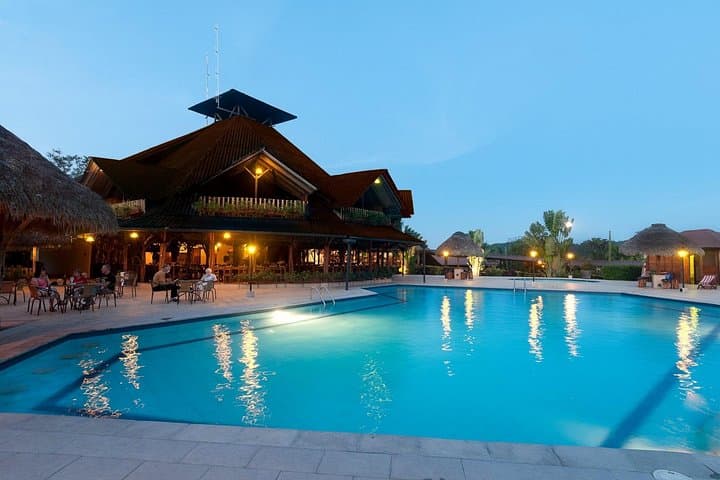

Stepping out of the van on a high Andean ridge, steam rises from stone pools and the air tastes mineral-sharp — that’s the opening act of this four-day corridor from Quito down into the Napo Basin. The route folds from the volcanic páramo into humid lowland forest; on day one guests soak at Termas de Papallacta where thermal pools and a short Polylepis hike introduce the region’s altitude and geology.
Stepping out of the van on a high Andean ridge, steam rises from stone pools and the air tastes mineral-sharp — that’s the opening act of this four-day corridor from Quito down into the Napo Basin. The route folds from the volcanic páramo into humid lowland forest; on day one guests soak at Termas de Papallacta where thermal pools and a short Polylepis hike introduce the region’s altitude and geology.
By day two the landscape shifts. A winding road and a brief canoe crossing over the Napo deliver travelers to La Casa del Suizo in Ahuano, a modest jungle lodge where river calls and insect choruses keep you awake at first. Guides lead dawn birding at Guango or shorter interpretive trails through secondary forest; afternoons can include canoe rides for caiman spotting and nocturnal walks to see tarantulas and tree frogs.
The history here is layered: highland volcanic activity created the eastern Andean slopes, feeding rivers that shaped indigenous travel corridors; the Kichwa communities and rubber-era outposts still influence local culture and cuisine. Biodiversity is the headline — orchids, toucans, monkeys and hundreds of bird species — and the Napo’s currents feel like the region’s nervous system, always moving.
Practical notes: the tour is rated easy but involves long vehicle transfers and basic lodge accommodations. Pack a lightweight rain jacket, good closed-toe shoes, insect protection and a small daypack. Dawn and dusk are the most active wildlife windows; carry water, move slowly on trails, and follow guide instructions for river crossings and boardwalks.