THE ADVENTURE COLLECTIVE® · Independent discovery and booking for outdoor travel

A compact, private four-day safari linking Lake Manyara, Ngorongoro Crater, Serengeti and Tarangire. Expect early mornings, long game drives and lodge comfort while tracking big migration routes and resident elephant herds.
A compact, private four-day safari linking Lake Manyara, Ngorongoro Crater, Serengeti and Tarangire. Expect early mornings, long game drives and lodge comfort while tracking big migration routes and resident elephant herds.
Morning light slices across golden grass as the Land Cruiser rumbles off the lodge road—acacia silhouettes and distant thunderheads framing a route that will take you through Lake Manyara, Ngorongoro Crater, the Serengeti and Tarangire over four concentrated days.
Verified experiences and guided adventures in the surrounding area.
Operated by Crater explorer tours and safaris · Arusha, Arusha Region
Morning light slices across golden grass as the Land Cruiser rumbles off the lodge road—acacia silhouettes and distant thunderheads framing a route that will take you through Lake Manyara, Ngorongoro Crater, the Serengeti and Tarangire over four concentrated days.
This circuit threads geological time and human history: volcanic collapse formed the Ngorongoro caldera, creating a natural amphitheater where Maasai herders live alongside grazing wildlife; the Serengeti’s flat, ancient plains channel the great wildebeest migration across rivers toward Kenya each year. Tarangire’s baobabs stand like weathered guardians; Lake Manyara’s fringe of soda-fed papyrus supports baboons, tree-climbing lions and a riot of birdlife.
Expect long but manageable drives between parks, early wake-ups for dawn game drives and mid-day rests at well-appointed lodges. Elevation rises toward Ngorongoro (around 2,200–2,400 m), so mornings are brisk and afternoons warm; Serengeti plains are exposed and windy. Guides are government-licensed driver-guides who read spoor and behavior as quickly as a map.
Practical notes: pack layered clothing, sun protection and a small daypack for cameras and water. Vehicles have pop-up roofs for standing game viewing; game drives last several hours with picnic or lodge lunches. Wildlife encounters are variable—migration crossings concentrate between June and October; the green season (March–May) brings dramatic newborns and fewer vehicles.
Bring binoculars, follow guide instructions around wildlife, and budget for park fees, tips and a relaxed travel pace—this is safari by presence, not speed. With planning and respect for the land, the four-park loop delivers classic East African wildlife theatre and close-up encounters from the comfort of curated lodges.
Park admission is typically included in the tour price but verify the booking details—some optional conservation fees or activity supplements may be extra.
Yellow fever vaccination may be required for some travelers; malaria prophylaxis is recommended—check current health advisories and consult your doctor well before travel.
This itinerary uses mid- to high-range lodges with private rooms and meals included; expect full-board service and transfer logistics handled by your operator.
The tour is labeled suitable for all fitness levels, but long drives and rugged roads may be challenging for young children or travelers with severe mobility issues—consult the operator for custom arrangements.
Crater explorer tours and safaris operates guided outdoor trips and adventures with an emphasis on safety, stewardship, and memorable experiences.
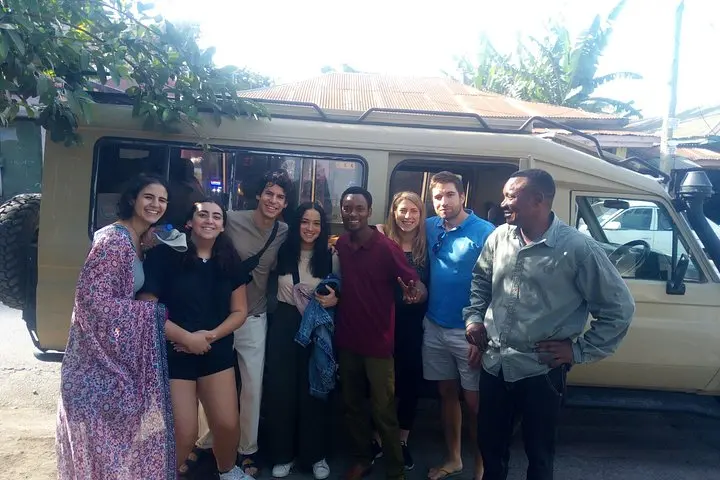
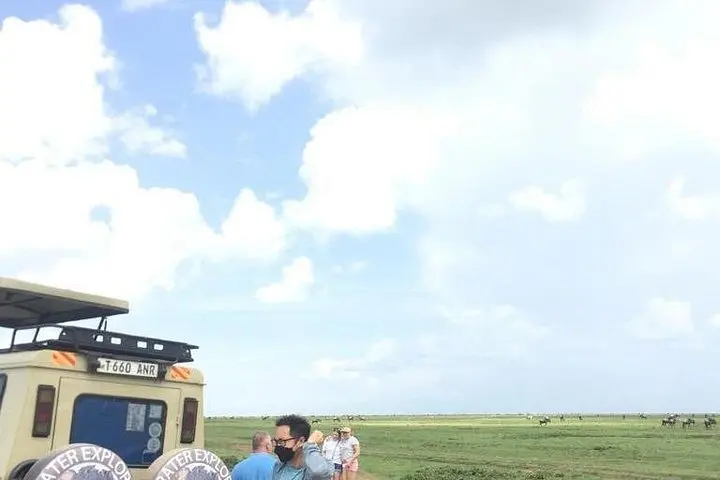
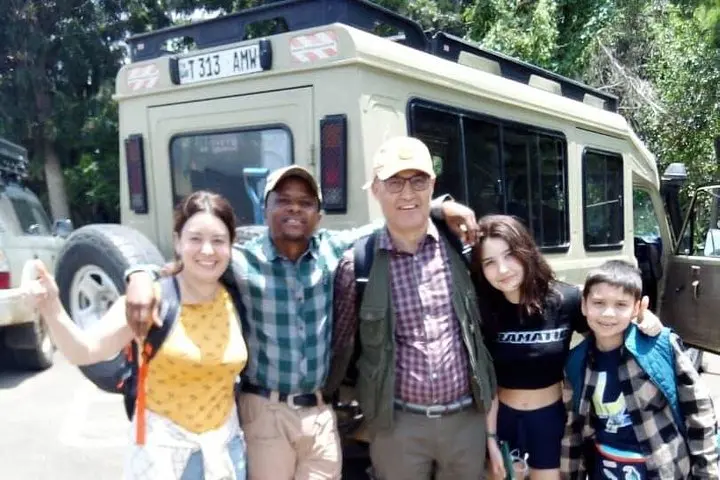
Morning light slices across golden grass as the Land Cruiser rumbles off the lodge road—acacia silhouettes and distant thunderheads framing a route that will take you through Lake Manyara, Ngorongoro Crater, the Serengeti and Tarangire over four concentrated days.
Morning light slices across golden grass as the Land Cruiser rumbles off the lodge road—acacia silhouettes and distant thunderheads framing a route that will take you through Lake Manyara, Ngorongoro Crater, the Serengeti and Tarangire over four concentrated days.
This circuit threads geological time and human history: volcanic collapse formed the Ngorongoro caldera, creating a natural amphitheater where Maasai herders live alongside grazing wildlife; the Serengeti’s flat, ancient plains channel the great wildebeest migration across rivers toward Kenya each year. Tarangire’s baobabs stand like weathered guardians; Lake Manyara’s fringe of soda-fed papyrus supports baboons, tree-climbing lions and a riot of birdlife.
Expect long but manageable drives between parks, early wake-ups for dawn game drives and mid-day rests at well-appointed lodges. Elevation rises toward Ngorongoro (around 2,200–2,400 m), so mornings are brisk and afternoons warm; Serengeti plains are exposed and windy. Guides are government-licensed driver-guides who read spoor and behavior as quickly as a map.
Practical notes: pack layered clothing, sun protection and a small daypack for cameras and water. Vehicles have pop-up roofs for standing game viewing; game drives last several hours with picnic or lodge lunches. Wildlife encounters are variable—migration crossings concentrate between June and October; the green season (March–May) brings dramatic newborns and fewer vehicles.
Bring binoculars, follow guide instructions around wildlife, and budget for park fees, tips and a relaxed travel pace—this is safari by presence, not speed. With planning and respect for the land, the four-park loop delivers classic East African wildlife theatre and close-up encounters from the comfort of curated lodges.