THE ADVENTURE COLLECTIVE® · Independent discovery and booking for outdoor travel

A relaxed, private four‑day drive through India’s Golden Triangle visits Delhi, Agra and Jaipur with guided stops at monuments, markets and viewpoints. Ideal for travelers who want a paced itinerary, private transport, and curated insights into Mughal and Rajput history.
A relaxed, private four‑day drive through India’s Golden Triangle visits Delhi, Agra and Jaipur with guided stops at monuments, markets and viewpoints. Ideal for travelers who want a paced itinerary, private transport, and curated insights into Mughal and Rajput history.
Morning light spills across New Delhi’s broad avenues as a private, air‑conditioned car gathers travelers and luggage, setting the pace for four days of Mughal forts, royal palaces, and roadside spice stalls. The route moves from colonial boulevards to the Yamuna’s banks and onward to the pink city’s fortresses, every turn revealing a different face of northern India.
Verified experiences and guided adventures in the surrounding area.
Operated by White and Yellow Tour · New Delhi, Delhi
Morning light spills across New Delhi’s broad avenues as a private, air‑conditioned car gathers travelers and luggage, setting the pace for four days of Mughal forts, royal palaces, and roadside spice stalls. The route moves from colonial boulevards to the Yamuna’s banks and onward to the pink city’s fortresses, every turn revealing a different face of northern India.
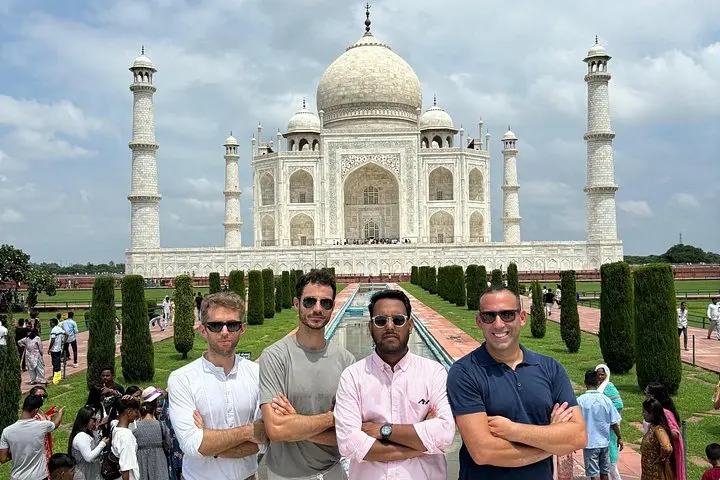
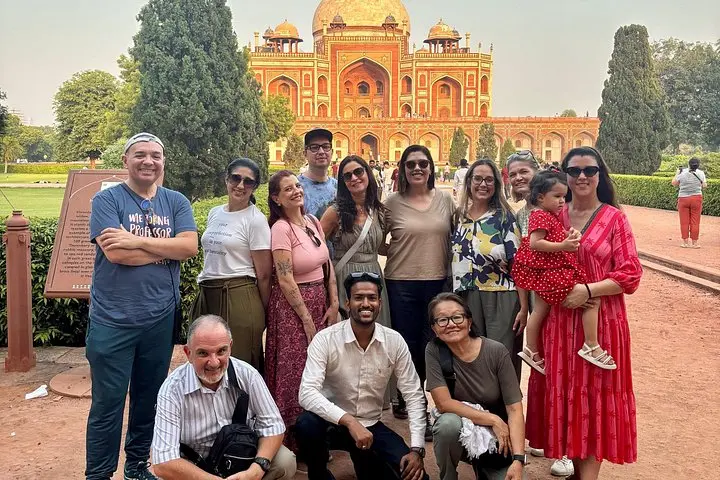
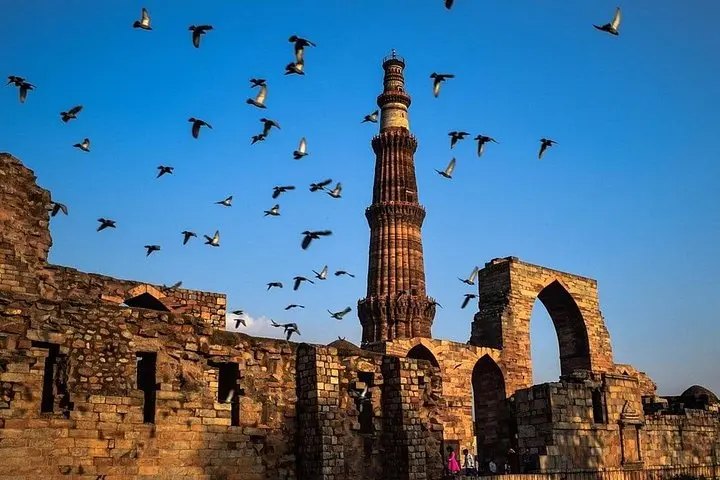
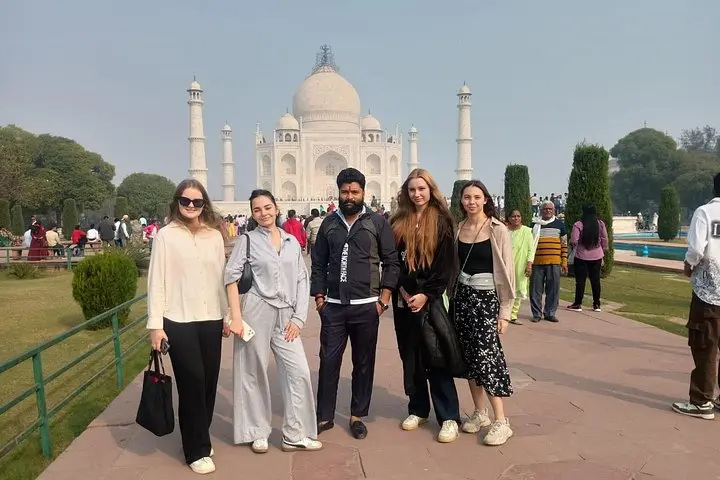
These cities grew on layers of history: Delhi’s Qutub Minar and Jama Masjid mark medieval Indo‑Islamic power, Agra’s Taj Mahal and Agra Fort are Mughal-era masterpieces in white marble and red sandstone, and Jaipur’s palaces and observatory reflect Rajput court life and 18th‑century urban planning. Geologically the plain is alluvial—flat roads and river terraces make long drives easy, while seasonal monsoon skies can flood low-lying gardens briefly.
Culturally, the Golden Triangle is a study in contrasts: bustling bazaars and slow temple rituals, imperial architecture and modern street food. Local guides point out artisans, stepwells, and viewpoints like Mehtab Bagh, which frames the Taj across the Yamuna.
Practical guidance: plan early starts to avoid midday heat and crowds at the Taj, wear comfortable walking shoes for uneven courtyards, and carry a refillable water bottle — bottled water is provided but reusable bottles reduce waste. Book a private car for flexibility, allow time for restroom and snack breaks between sites, and confirm drop-off details if your itinerary ends at Jaipur Airport.
Yes; the tour uses a private, air-conditioned vehicle with a driver and includes hotel or airport pickups and drop-offs.
Entrance tickets are included if that option is selected when booking; confirm at checkout which monuments are covered.
This private tour allows customization—discuss timing, stops, and pickup/drop-off with the tour operator at booking.
October to March offers cooler temperatures and clearer skies; summers are hot and monsoon brings heavy rains in July–September.
White and Yellow Tour operates guided outdoor trips and adventures with an emphasis on safety, stewardship, and memorable experiences.
Morning light spills across New Delhi’s broad avenues as a private, air‑conditioned car gathers travelers and luggage, setting the pace for four days of Mughal forts, royal palaces, and roadside spice stalls. The route moves from colonial boulevards to the Yamuna’s banks and onward to the pink city’s fortresses, every turn revealing a different face of northern India.
Morning light spills across New Delhi’s broad avenues as a private, air‑conditioned car gathers travelers and luggage, setting the pace for four days of Mughal forts, royal palaces, and roadside spice stalls. The route moves from colonial boulevards to the Yamuna’s banks and onward to the pink city’s fortresses, every turn revealing a different face of northern India.
These cities grew on layers of history: Delhi’s Qutub Minar and Jama Masjid mark medieval Indo‑Islamic power, Agra’s Taj Mahal and Agra Fort are Mughal-era masterpieces in white marble and red sandstone, and Jaipur’s palaces and observatory reflect Rajput court life and 18th‑century urban planning. Geologically the plain is alluvial—flat roads and river terraces make long drives easy, while seasonal monsoon skies can flood low-lying gardens briefly.
Culturally, the Golden Triangle is a study in contrasts: bustling bazaars and slow temple rituals, imperial architecture and modern street food. Local guides point out artisans, stepwells, and viewpoints like Mehtab Bagh, which frames the Taj across the Yamuna.
Practical guidance: plan early starts to avoid midday heat and crowds at the Taj, wear comfortable walking shoes for uneven courtyards, and carry a refillable water bottle — bottled water is provided but reusable bottles reduce waste. Book a private car for flexibility, allow time for restroom and snack breaks between sites, and confirm drop-off details if your itinerary ends at Jaipur Airport.