THE ADVENTURE COLLECTIVE® · Independent discovery and booking for outdoor travel

A four-day journey along the classic Inca Trail, threading cloud forest, high passes and living archaeological sites before arriving at Machu Picchu through the Sun Gate. This private trek blends strenuous mountain hiking with immersive cultural interpretation and experienced support staff.
A four-day journey along the classic Inca Trail, threading cloud forest, high passes and living archaeological sites before arriving at Machu Picchu through the Sun Gate. This private trek blends strenuous mountain hiking with immersive cultural interpretation and experienced support staff.
The trail takes shape the moment the bus drops you at Km 82 and the Andes open like a doorway of stone and cloud. You step onto stepped paths carved by Inca hands, the river below daring you to move faster while the peaks above hold the weather in reserve.
Verified experiences and guided adventures in the surrounding area.
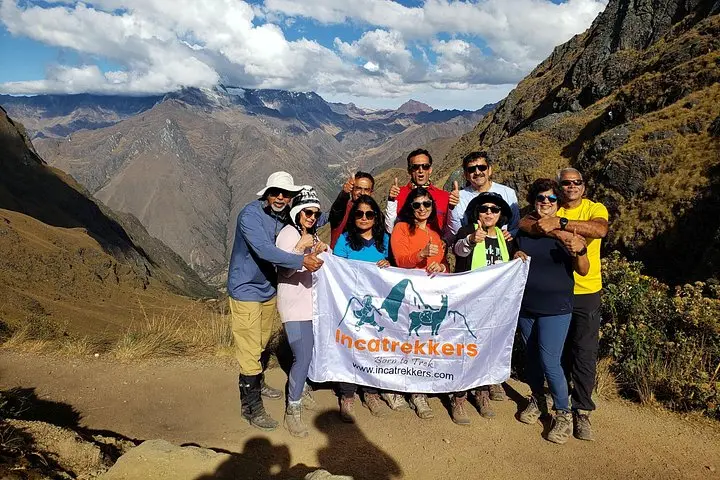
Operated by Incatrekkers Day Tours · Machu Picchu, Cusco
The trail takes shape the moment the bus drops you at Km 82 and the Andes open like a doorway of stone and cloud. You step onto stepped paths carved by Inca hands, the river below daring you to move faster while the peaks above hold the weather in reserve.
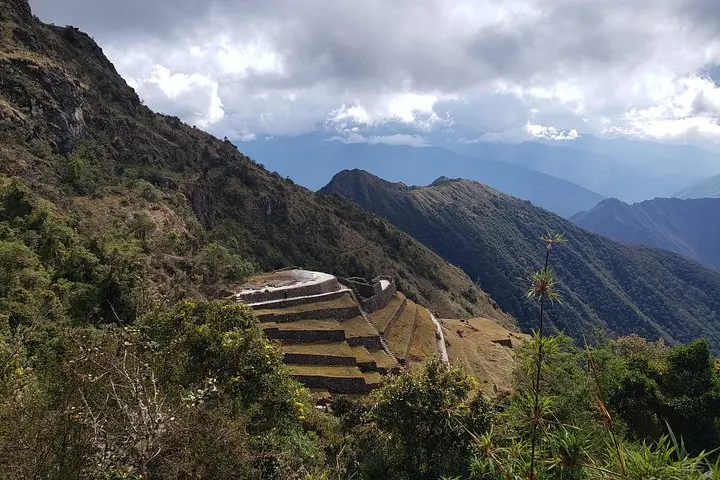
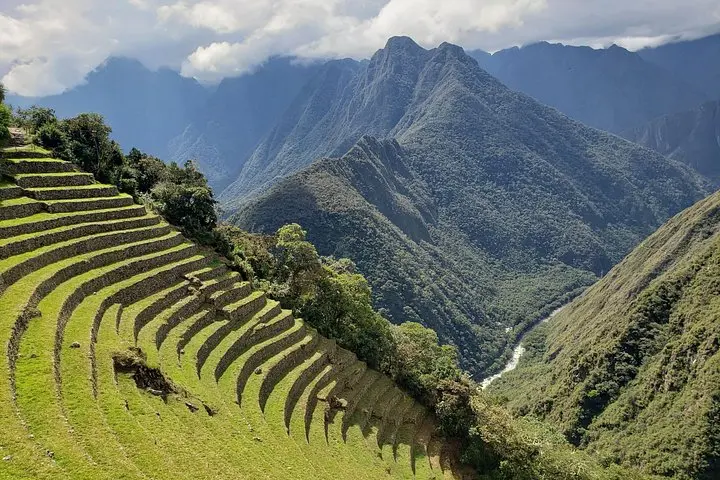
This four-day route threads living history and raw geology: terraces and stone stairways cling to shoulders of volcanic rock and folded sediment laid down by ancient uplift. Along the way you pass Patallapta, Winay Wayna and Phuyupatamarca—sites that map how the Inca organized agriculture, water and ritual across steep terrain. Local Quechua communities still shape the trail’s culture; guides commonly explain agricultural terraces, traditional weaving patterns, and highland rituals tied to the landscape.
Expect shifting microclimates—open sun, wind-battered passes, cloud-forest humidity—and the physical high note: the Warmiwañusca (Dead Woman’s Pass) at roughly 4,215 m. Nights are spent at organized camps with meals prepared by the crew and porters carrying personal duffels.
Practical edge: acclimatize in Cusco for at least two nights, pack layered technical clothing, and train on sustained uphill and downhill walks. Hydrate early, keep a compact first-aid kit, and respect campsite rules—leave no trace, and carry out all waste. The last morning delivers the payoff: sunrise views through Inti Punku and a guided visit of Machu Picchu. It’s a measured challenge—steep, rewarding, culturally rich—and one that requires planning, proper gear and respect for fragile Andean ecosystems.
Yes — the classic Inca Trail requires a government permit tied to your passport; private guided trips secure these in advance.
It’s the highest and steepest section (~4,215 m) and is a long sustained climb; pacing and prior acclimatization make it manageable.
Yes — this trip includes porters who carry up to 6 kg per person; pack accordingly and use the provided duffel for porter items.
Sturdy, broken-in hiking boots with good ankle support and a grippy sole are recommended; trail runners are acceptable if well-used.
Incatrekkers Day Tours operates guided outdoor trips and adventures with an emphasis on safety, stewardship, and memorable experiences.
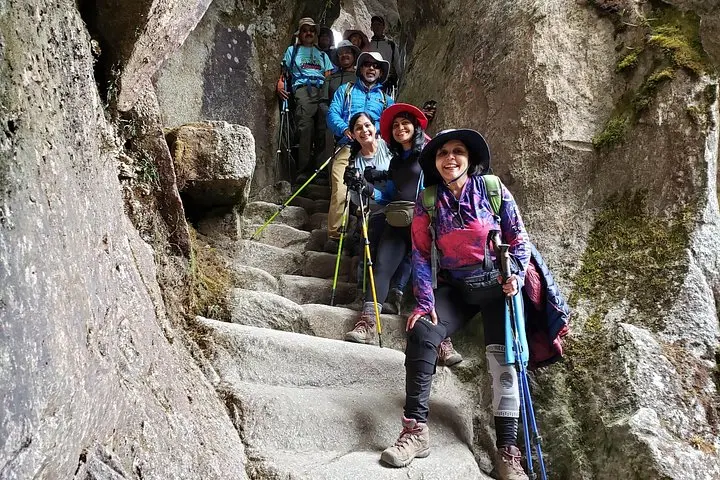
The trail takes shape the moment the bus drops you at Km 82 and the Andes open like a doorway of stone and cloud. You step onto stepped paths carved by Inca hands, the river below daring you to move faster while the peaks above hold the weather in reserve.
The trail takes shape the moment the bus drops you at Km 82 and the Andes open like a doorway of stone and cloud. You step onto stepped paths carved by Inca hands, the river below daring you to move faster while the peaks above hold the weather in reserve.
This four-day route threads living history and raw geology: terraces and stone stairways cling to shoulders of volcanic rock and folded sediment laid down by ancient uplift. Along the way you pass Patallapta, Winay Wayna and Phuyupatamarca—sites that map how the Inca organized agriculture, water and ritual across steep terrain. Local Quechua communities still shape the trail’s culture; guides commonly explain agricultural terraces, traditional weaving patterns, and highland rituals tied to the landscape.
Expect shifting microclimates—open sun, wind-battered passes, cloud-forest humidity—and the physical high note: the Warmiwañusca (Dead Woman’s Pass) at roughly 4,215 m. Nights are spent at organized camps with meals prepared by the crew and porters carrying personal duffels.
Practical edge: acclimatize in Cusco for at least two nights, pack layered technical clothing, and train on sustained uphill and downhill walks. Hydrate early, keep a compact first-aid kit, and respect campsite rules—leave no trace, and carry out all waste. The last morning delivers the payoff: sunrise views through Inti Punku and a guided visit of Machu Picchu. It’s a measured challenge—steep, rewarding, culturally rich—and one that requires planning, proper gear and respect for fragile Andean ecosystems.