THE ADVENTURE COLLECTIVE® · Independent discovery and booking for outdoor travel

Customize four days across Kansai — from Osaka’s neon streets to Kyoto’s temple trails, Nara’s free-roaming deer, and Kobe’s harbor views. A private van and driver let you set the pace, focusing on culture, cuisine, or quiet vistas.
Customize four days across Kansai — from Osaka’s neon streets to Kyoto’s temple trails, Nara’s free-roaming deer, and Kobe’s harbor views. A private van and driver let you set the pace, focusing on culture, cuisine, or quiet vistas.
You step from an air-conditioned van into Dotonbori’s neon pulse and the city exhales—fried takoyaki, the canal’s reflections, and the distant outline of Osaka Castle.
Verified experiences and guided adventures in the surrounding area.
Operated by osakatravel · Osaka, Osaka Prefecture
You step from an air-conditioned van into Dotonbori’s neon pulse and the city exhales—fried takoyaki, the canal’s reflections, and the distant outline of Osaka Castle.
Across four days this private, customizable circuit moves from urban hum to temple hush: Osaka’s lively markets and skyline viewpoints; Nara’s broad park where deer thread between temple gates; Kyoto’s centuries-old shrines and bamboo avenues; and Kobe’s harbor views with the Rokko range rising behind.
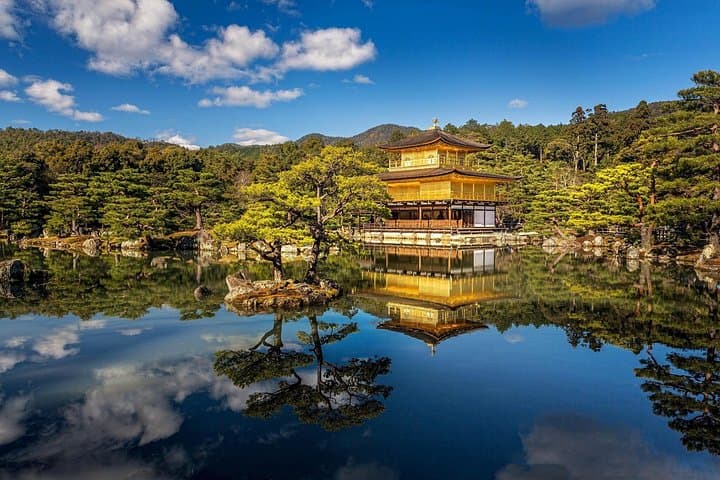
Historically Kansai is Japan’s cultural core—Nara was the nation’s first permanent capital, Kyoto the imperial seat for a millennium, and Kobe the gateway for foreign trade in the Meiji era. Geologically the region sits on the Osaka Basin with low plains feeding into mountain ridges like Rokko and the forested slopes behind Kyoto’s temple sites, creating sudden shifts from city to green within short drives.
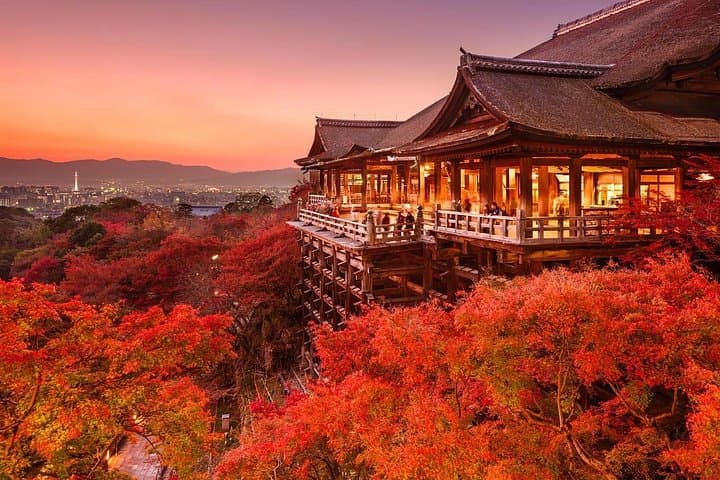
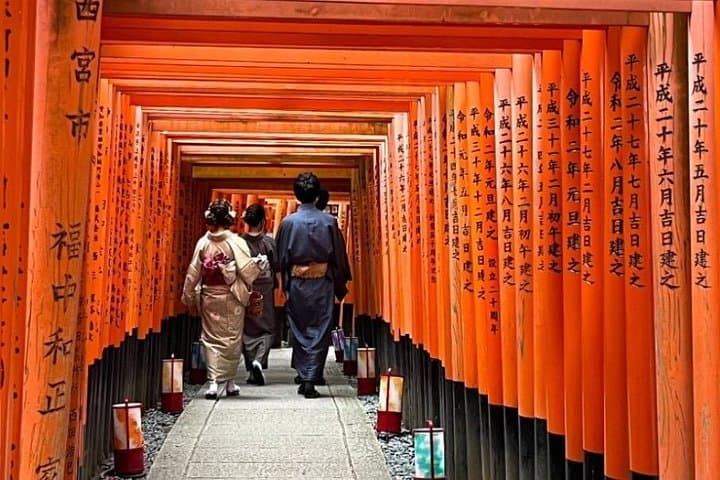
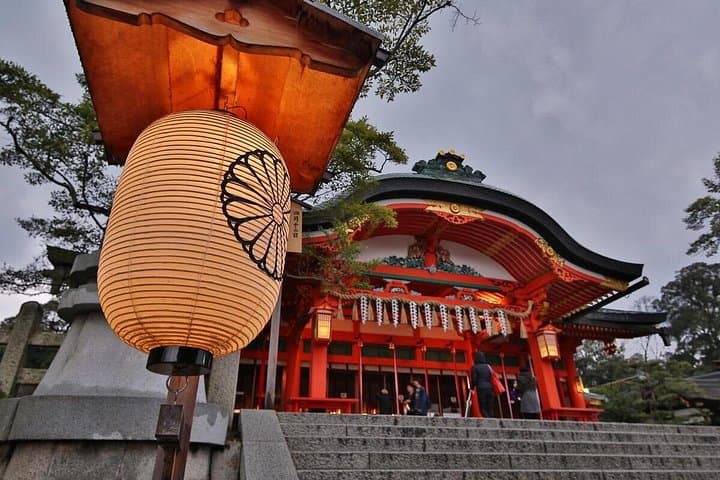
Locally you’ll notice practical rhythms: midday crowds at Kiyomizu-dera and Fushimi Inari, quieter early mornings along the Philosopher’s Path, and the market cadence at Kuromon where chefs shop the same stalls you’ll pass. Choose your pace—more temple time or more street-food exploration—and your private guide will adjust the route.
Practical guidance: plan temple visits early to avoid crowds, carry a rechargeable Suica/Pasmo or ask for private transport if walking long stretches isn’t preferred, and bring layered clothing—coastal Kobe can be breezier than inland Kyoto. Reserve dinner slots if you want a specific restaurant, and allow buffer time for highway traffic between cities. With sensible shoes and flexible timing, this route is an efficient, sensory-packed introduction to Kansai’s best.
Yes—the tour is fully customizable; you choose which sights to include and the guide will draft and adjust the route to match your interests.
Admission and meals are typically not included unless specified; expect to pay on-site for temple entry, museums, and dining.
Private air-conditioned transportation and hotel pickup/drop-off are included as part of the service.
Many transportation options and selected sites are accessible, but some historic temples and streets have steps—confirm specific accessibility needs when booking.
osakatravel operates guided outdoor trips and adventures with an emphasis on safety, stewardship, and memorable experiences.
You step from an air-conditioned van into Dotonbori’s neon pulse and the city exhales—fried takoyaki, the canal’s reflections, and the distant outline of Osaka Castle.
You step from an air-conditioned van into Dotonbori’s neon pulse and the city exhales—fried takoyaki, the canal’s reflections, and the distant outline of Osaka Castle.
Across four days this private, customizable circuit moves from urban hum to temple hush: Osaka’s lively markets and skyline viewpoints; Nara’s broad park where deer thread between temple gates; Kyoto’s centuries-old shrines and bamboo avenues; and Kobe’s harbor views with the Rokko range rising behind.
Historically Kansai is Japan’s cultural core—Nara was the nation’s first permanent capital, Kyoto the imperial seat for a millennium, and Kobe the gateway for foreign trade in the Meiji era. Geologically the region sits on the Osaka Basin with low plains feeding into mountain ridges like Rokko and the forested slopes behind Kyoto’s temple sites, creating sudden shifts from city to green within short drives.
Locally you’ll notice practical rhythms: midday crowds at Kiyomizu-dera and Fushimi Inari, quieter early mornings along the Philosopher’s Path, and the market cadence at Kuromon where chefs shop the same stalls you’ll pass. Choose your pace—more temple time or more street-food exploration—and your private guide will adjust the route.
Practical guidance: plan temple visits early to avoid crowds, carry a rechargeable Suica/Pasmo or ask for private transport if walking long stretches isn’t preferred, and bring layered clothing—coastal Kobe can be breezier than inland Kyoto. Reserve dinner slots if you want a specific restaurant, and allow buffer time for highway traffic between cities. With sensible shoes and flexible timing, this route is an efficient, sensory-packed introduction to Kansai’s best.