THE ADVENTURE COLLECTIVE® · Independent discovery and booking for outdoor travel

A compact, private four-day safari that pairs Ol Pejeta’s rhino-rich conservancy with the arid, wildlife-rich Samburu Reserve. Expect guided dawn and dusk game drives, lodge stays, and opportunities to visit local communities and conservation projects.
A compact, private four-day safari that pairs Ol Pejeta’s rhino-rich conservancy with the arid, wildlife-rich Samburu Reserve. Expect guided dawn and dusk game drives, lodge stays, and opportunities to visit local communities and conservation projects.
Morning dust lifts off the savanna as your customized safari vehicle threads a track beneath the sharp silhouette of Mount Kenya. Ol Pejeta’s grasslands open ahead, black rhinos raking the horizon while lions lounge in heat mirages.
Verified experiences and guided adventures in the surrounding area.
Operated by Expedition Happy Hour · Nanyuki, Laikipia County
Morning dust lifts off the savanna as your customized safari vehicle threads a track beneath the sharp silhouette of Mount Kenya. Ol Pejeta’s grasslands open ahead, black rhinos raking the horizon while lions lounge in heat mirages.
The route between Ol Pejeta and Samburu crosses old volcanic foothills and semi-arid plains shaped by the Rift’s faulting. Ol Pejeta sits on western Laikipia slopes, conserved since colonial ranching era, and Samburu preserves a drier northern savanna where the Ewaso N’giro River carves a green lifeline through acacia and doum palms. Local Samburu culture, pastoral and mobile and tied to camels and cattle, offers village visits that clarify land use and community conservation.
On safari you’ll track mammals at dawn and dusk when predators become active, scan riverine thickets for birds of prey, and read spoor on sandy tracks. Guides translate animal behavior into practical cues: where to wait, when to move, how to minimize disturbance. Accommodation ranges from comfortable lodge rooms to open-sided viewing platforms that keep you close to the ecosystem without intruding.
Practical tips: pack neutral clothing, bring binoculars and a camera with a telephoto lens, and plan for daytime heat and cool mornings. Hydrate actively, bring a refillable bottle, and respect park rules about noise and waste. Expect long drives between reserves; motion-sickness meds are useful. With basic preparation the trip rewards with intimate wildlife encounters, expansive skies and landscapes that push you to pay attention. Early bookings improve lodge choice and allow time for optional village visits.
Consult your doctor before travel for recommended vaccinations and discuss malaria prophylaxis—Samburu and Laikipia are in malaria zones at certain times of year.
Guides aim to balance close viewing with safety and conservation; vehicles usually stop at safe distances determined by animal behavior and park rules.
Yes, Ol Pejeta and Samburu park entry fees and the services of an experienced guide are included in the itinerary's stated inclusions.
Optional visits are available (often with additional fees) for the Samburu village experience and the Ol Pejeta rhino and chimp sanctuaries, subject to local permits.
Expedition Happy Hour operates guided outdoor trips and adventures with an emphasis on safety, stewardship, and memorable experiences.
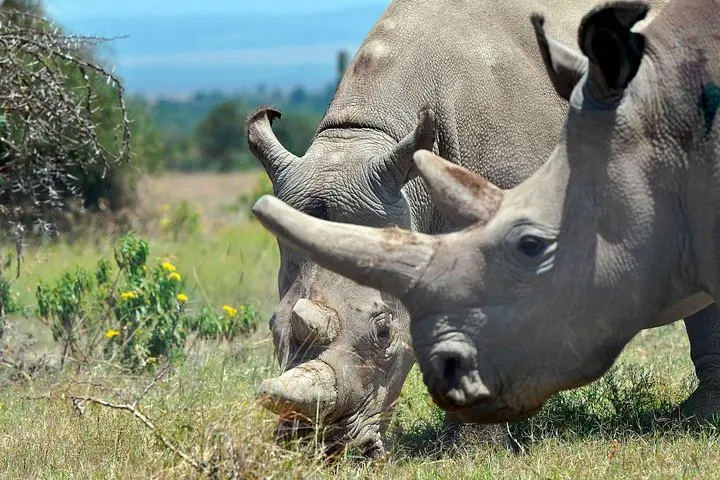
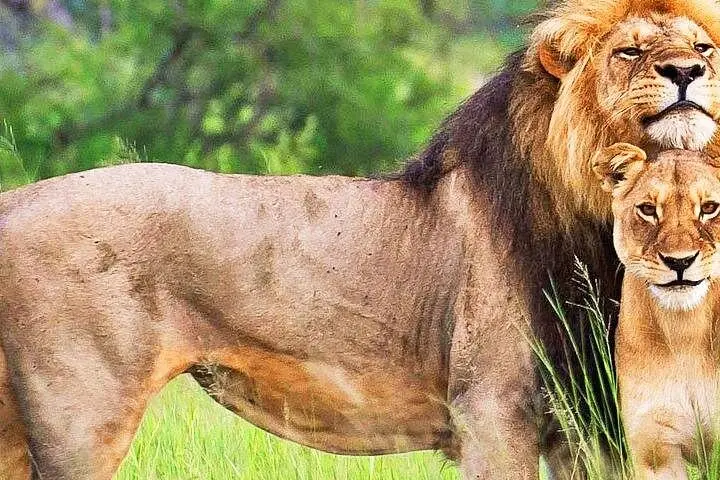
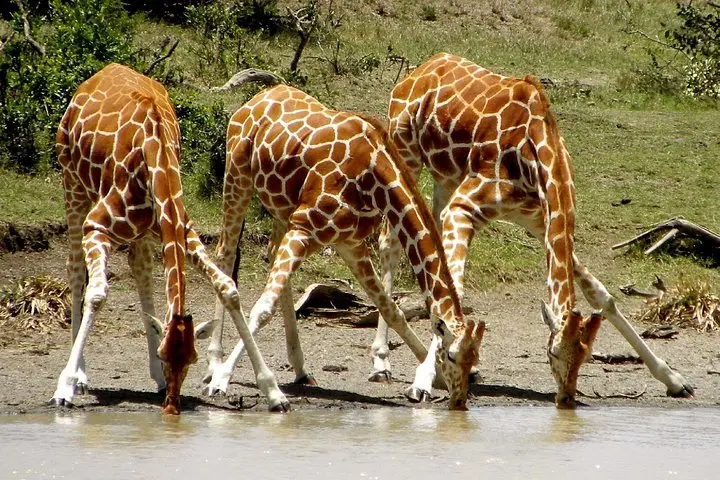
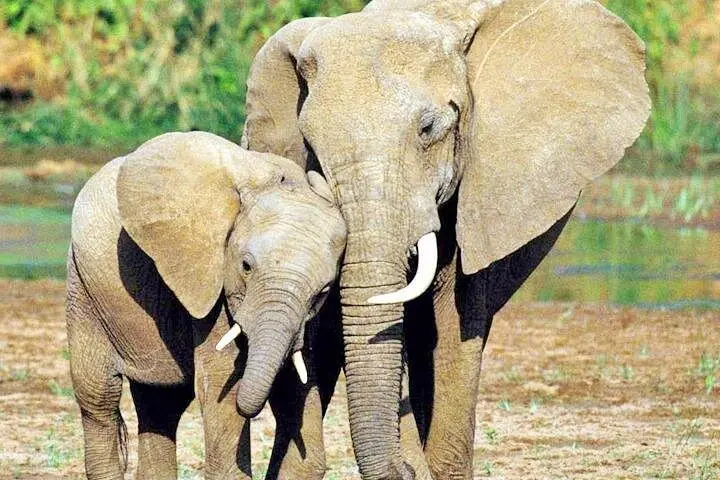
Morning dust lifts off the savanna as your customized safari vehicle threads a track beneath the sharp silhouette of Mount Kenya. Ol Pejeta’s grasslands open ahead, black rhinos raking the horizon while lions lounge in heat mirages.
Morning dust lifts off the savanna as your customized safari vehicle threads a track beneath the sharp silhouette of Mount Kenya. Ol Pejeta’s grasslands open ahead, black rhinos raking the horizon while lions lounge in heat mirages.
The route between Ol Pejeta and Samburu crosses old volcanic foothills and semi-arid plains shaped by the Rift’s faulting. Ol Pejeta sits on western Laikipia slopes, conserved since colonial ranching era, and Samburu preserves a drier northern savanna where the Ewaso N’giro River carves a green lifeline through acacia and doum palms. Local Samburu culture, pastoral and mobile and tied to camels and cattle, offers village visits that clarify land use and community conservation.
On safari you’ll track mammals at dawn and dusk when predators become active, scan riverine thickets for birds of prey, and read spoor on sandy tracks. Guides translate animal behavior into practical cues: where to wait, when to move, how to minimize disturbance. Accommodation ranges from comfortable lodge rooms to open-sided viewing platforms that keep you close to the ecosystem without intruding.
Practical tips: pack neutral clothing, bring binoculars and a camera with a telephoto lens, and plan for daytime heat and cool mornings. Hydrate actively, bring a refillable bottle, and respect park rules about noise and waste. Expect long drives between reserves; motion-sickness meds are useful. With basic preparation the trip rewards with intimate wildlife encounters, expansive skies and landscapes that push you to pay attention. Early bookings improve lodge choice and allow time for optional village visits.