THE ADVENTURE COLLECTIVE® · Independent discovery and booking for outdoor travel

See Dubai’s contrasts in four hours: modern skyline icons like the Burj Al Arab and Dubai Frame paired with the Creek’s historic souks and a traditional Abra ride. This private tour offers curated stops, flexible pacing, and practical insights to navigate the city’s culture and climate.
See Dubai’s contrasts in four hours: modern skyline icons like the Burj Al Arab and Dubai Frame paired with the Creek’s historic souks and a traditional Abra ride. This private tour offers curated stops, flexible pacing, and practical insights to navigate the city’s culture and climate.
You step out of an air-conditioned vehicle into a glare of low winter sun or midday heat; the Burj Al Arab’s sail catches light like metal and the city hums—traffic, call to prayer, and the distant lapping of Dubai Creek. In four hours a private guide stitches modern icons and old lanes into a single, coherent story: the Burj Al Arab’s engineered luxury, the Dubai Frame’s panorama linking past to skyline, and the wind-tower alleys of Bastakiya where stone and coral block whisper of earlier trades.
Verified experiences and guided adventures in the surrounding area.
Operated by Dream Dubaï · Dubai, Dubai
You step out of an air-conditioned vehicle into a glare of low winter sun or midday heat; the Burj Al Arab’s sail catches light like metal and the city hums—traffic, call to prayer, and the distant lapping of Dubai Creek. In four hours a private guide stitches modern icons and old lanes into a single, coherent story: the Burj Al Arab’s engineered luxury, the Dubai Frame’s panorama linking past to skyline, and the wind-tower alleys of Bastakiya where stone and coral block whisper of earlier trades.
Dubai’s pulse is maritime and mercantile. Once a pearling and fishing center on the Persian Gulf, the emirate fast-tracked into a global hub after the mid-20th-century oil boom and ambitious land reclamation projects. Geologically, you’re on a flat coastal plain with reclaimed beachfronts and sedimentary sandy soil—views come from human-made height rather than mountain relief. Culturally, the tour balances Emirati heritage—mosques, souks, and the Abra ride across the Creek—with contemporary museums and soaring architecture.
Practically: plan morning or late-afternoon departures to avoid the hottest hours; prayer times can affect mosque access and souk bustle. Wear breathable, modest clothing and comfortable shoes for short walks on paved lanes and mosque courtyards. Bring bottled water, sunscreen, small bills for souk purchases and tipping, and a camera with a wide-angle for the Frame and marina shots. Expect short, informative stops rather than long museum visits; the private format lets you ask questions and tailor time at each sight. This is a compact, paced introduction to Dubai’s sharp contrasts—fast-moving, photo-ready, and rooted in a layered coastal past.
Private tours normally include pickup from central Dubai hotels or agreed meeting points—confirm your pickup point when booking.
Check the specific booking details; some stops include admission while others are photo stops—your private guide can advise entry options.
Yes; the itinerary involves minimal walking and is rated easy, but note it’s not recommended for travelers with serious spinal, heart, or pregnancy restrictions per operator guidance.
Yes; private format allows tailoring stops and pacing, though changes may affect timing and included admissions.
Dream Dubaï operates guided outdoor trips and adventures with an emphasis on safety, stewardship, and memorable experiences.
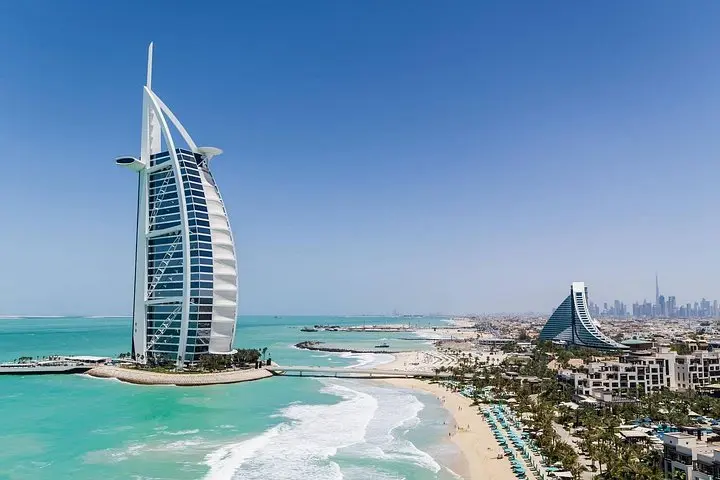
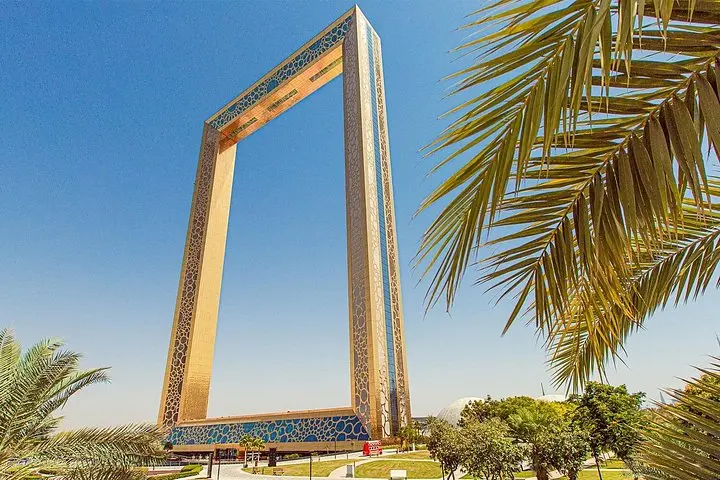
You step out of an air-conditioned vehicle into a glare of low winter sun or midday heat; the Burj Al Arab’s sail catches light like metal and the city hums—traffic, call to prayer, and the distant lapping of Dubai Creek. In four hours a private guide stitches modern icons and old lanes into a single, coherent story: the Burj Al Arab’s engineered luxury, the Dubai Frame’s panorama linking past to skyline, and the wind-tower alleys of Bastakiya where stone and coral block whisper of earlier trades.
You step out of an air-conditioned vehicle into a glare of low winter sun or midday heat; the Burj Al Arab’s sail catches light like metal and the city hums—traffic, call to prayer, and the distant lapping of Dubai Creek. In four hours a private guide stitches modern icons and old lanes into a single, coherent story: the Burj Al Arab’s engineered luxury, the Dubai Frame’s panorama linking past to skyline, and the wind-tower alleys of Bastakiya where stone and coral block whisper of earlier trades.
Dubai’s pulse is maritime and mercantile. Once a pearling and fishing center on the Persian Gulf, the emirate fast-tracked into a global hub after the mid-20th-century oil boom and ambitious land reclamation projects. Geologically, you’re on a flat coastal plain with reclaimed beachfronts and sedimentary sandy soil—views come from human-made height rather than mountain relief. Culturally, the tour balances Emirati heritage—mosques, souks, and the Abra ride across the Creek—with contemporary museums and soaring architecture.
Practically: plan morning or late-afternoon departures to avoid the hottest hours; prayer times can affect mosque access and souk bustle. Wear breathable, modest clothing and comfortable shoes for short walks on paved lanes and mosque courtyards. Bring bottled water, sunscreen, small bills for souk purchases and tipping, and a camera with a wide-angle for the Frame and marina shots. Expect short, informative stops rather than long museum visits; the private format lets you ask questions and tailor time at each sight. This is a compact, paced introduction to Dubai’s sharp contrasts—fast-moving, photo-ready, and rooted in a layered coastal past.