THE ADVENTURE COLLECTIVE® · Independent discovery and booking for outdoor travel

See Muscat’s big sights in comfort: a private four-hour cab tour links the Sultan Qaboos Grand Mosque, Royal Opera House, National Museum and Mutrah Market with flexible pacing and local insight. Ideal for visitors who want a concise, contextual introduction to the city.
See Muscat’s big sights in comfort: a private four-hour cab tour links the Sultan Qaboos Grand Mosque, Royal Opera House, National Museum and Mutrah Market with flexible pacing and local insight. Ideal for visitors who want a concise, contextual introduction to the city.
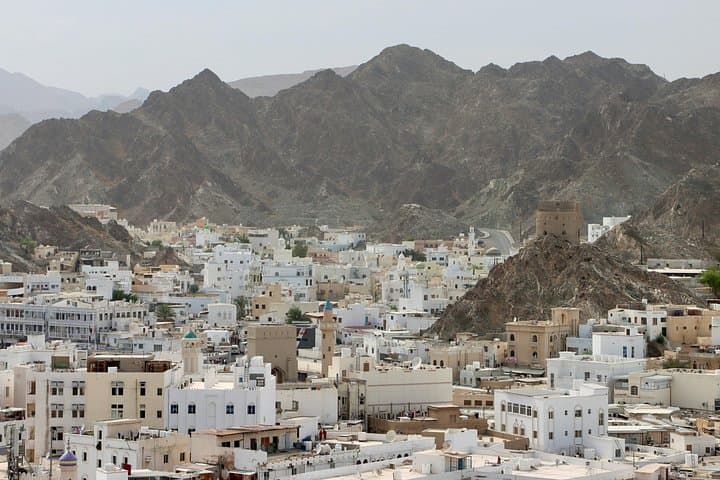
You step out of the air-conditioned cab into a city that opens slowly—white stone facades catching the Gulf light, the scent of frankincense drifting from Mutrah’s alleys, and the distant call of the harbor pulling at the senses.
Verified experiences and guided adventures in the surrounding area.
Operated by Oman Tour · Muscat, Muscat Governorate
You step out of the air-conditioned cab into a city that opens slowly—white stone facades catching the Gulf light, the scent of frankincense drifting from Mutrah’s alleys, and the distant call of the harbor pulling at the senses.
Begin at the Sultan Qaboos Grand Mosque, where marble floors and a vast prayer hall quiet the city’s pace. From there the route moves to the Royal Opera House, a modern stage that borrows Omani motifs, then to the National Museum where displays trace Muscat’s maritime past and Bedouin roots. The tour finishes in Mutrah Market, a maze of stalls where spices, silver and perfumes argue for space beneath awnings.
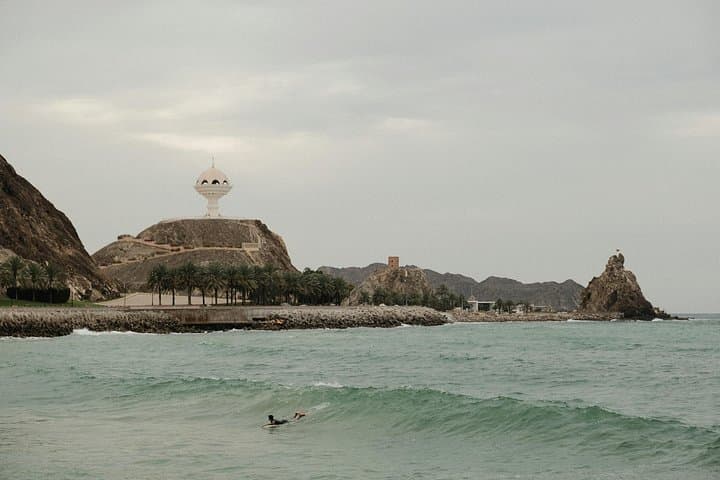
Muscat sits where the Hajar Mountains drop to the sea; the geology is folded limestone and coastal terraces that shaped ports and caravan routes for centuries. Culturally, the city balances conservative customs and cosmopolitan life—visitors will notice respectful dress and measured greetings.
Practical edge: four hours gives short, focused stops—expect 30–60 minutes at each site and brief walks between drop-off points. Dress conservatively at religious sites (shoulders and knees covered), carry cash for small purchases in the souk, and plan arrival times around mid-morning to avoid heat and crowds. The cab format means flexible pacing and the chance to ask your driver about lesser-known viewpoints—watch the light on the harbor as the afternoon wanes.
This tour suits travelers who want a compact, contextual introduction to Muscat without rushing, mixing architecture, museum storytelling and market life into a single, manageable outing.
Admission to the mosque is typically free but separate from museum fees—dress codes are enforced and guided interior access may be limited to certain hours.
Yes; private tours allow for flexible stop lengths—confirm waiting time with the operator when booking to avoid extra charges.
This tour’s standard inclusions list admission as not applicable; expect to pay museum fees on-site unless otherwise noted by the operator.
Many central sites have accessible approaches, but historic market alleys can be uneven—notify the operator in advance to arrange accessible pickup and routes.
Oman Tour operates guided outdoor trips and adventures with an emphasis on safety, stewardship, and memorable experiences.

You step out of the air-conditioned cab into a city that opens slowly—white stone facades catching the Gulf light, the scent of frankincense drifting from Mutrah’s alleys, and the distant call of the harbor pulling at the senses.
You step out of the air-conditioned cab into a city that opens slowly—white stone facades catching the Gulf light, the scent of frankincense drifting from Mutrah’s alleys, and the distant call of the harbor pulling at the senses.
Begin at the Sultan Qaboos Grand Mosque, where marble floors and a vast prayer hall quiet the city’s pace. From there the route moves to the Royal Opera House, a modern stage that borrows Omani motifs, then to the National Museum where displays trace Muscat’s maritime past and Bedouin roots. The tour finishes in Mutrah Market, a maze of stalls where spices, silver and perfumes argue for space beneath awnings.
Muscat sits where the Hajar Mountains drop to the sea; the geology is folded limestone and coastal terraces that shaped ports and caravan routes for centuries. Culturally, the city balances conservative customs and cosmopolitan life—visitors will notice respectful dress and measured greetings.
Practical edge: four hours gives short, focused stops—expect 30–60 minutes at each site and brief walks between drop-off points. Dress conservatively at religious sites (shoulders and knees covered), carry cash for small purchases in the souk, and plan arrival times around mid-morning to avoid heat and crowds. The cab format means flexible pacing and the chance to ask your driver about lesser-known viewpoints—watch the light on the harbor as the afternoon wanes.
This tour suits travelers who want a compact, contextual introduction to Muscat without rushing, mixing architecture, museum storytelling and market life into a single, manageable outing.