THE ADVENTURE COLLECTIVE® · Independent discovery and booking for outdoor travel

A private five-day circuit from Paro folds together Bhutan’s greatest cultural hits: Thimphu’s urban traditions, Punakha’s river dzong, and the cliffside Tiger’s Nest hike. Expect paced drives, guided cultural immersion, and alpine scenery with practical guidance for altitude and access.
A private five-day circuit from Paro folds together Bhutan’s greatest cultural hits: Thimphu’s urban traditions, Punakha’s river dzong, and the cliffside Tiger’s Nest hike. Expect paced drives, guided cultural immersion, and alpine scenery with practical guidance for altitude and access.
You step from the short runway at Paro and the valley air pushes at you like a question: calm, crisp, framed by terraced fields and fortress silhouettes. A private driver threads narrow mountain roads, and by late afternoon Thimphu's clock tower square hums with market chatter and the scent of butter tea — a gentle welcome to a kingdom shaped by its monasteries and mountains.
Verified experiences and guided adventures in the surrounding area.
Operated by Asia Valleys Tours & Travels - Bhutan · Paro, Paro District
You step from the short runway at Paro and the valley air pushes at you like a question: calm, crisp, framed by terraced fields and fortress silhouettes. A private driver threads narrow mountain roads, and by late afternoon Thimphu's clock tower square hums with market chatter and the scent of butter tea — a gentle welcome to a kingdom shaped by its monasteries and mountains.
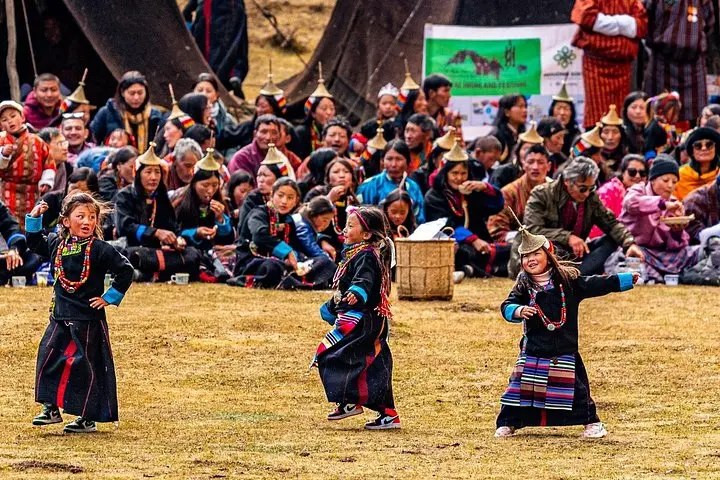
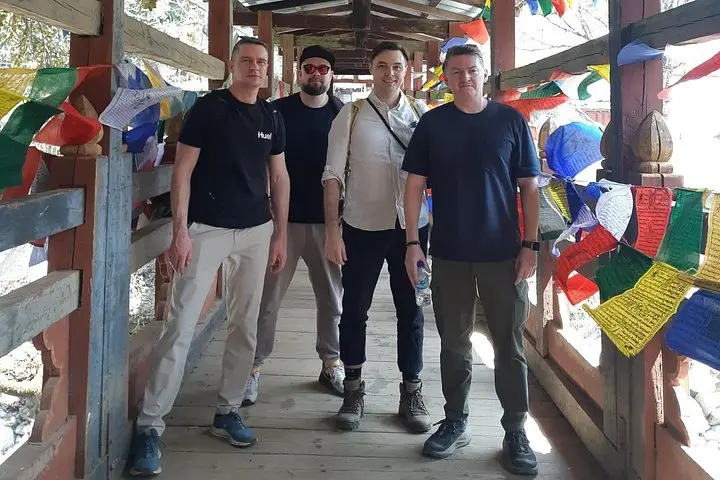
Built where the Eastern Himalaya folds into wide river valleys, Bhutan’s landscape is both geologic and cultural: dzongs perch on river forks, prayer flags snag on windy ridgelines, and the hand-forged iron links of Tachog Lhakhang Bridge recall medieval engineering. You’ll pass Dochula’s 108 chortens and the palace-like Punakha Dzong, relics of Zhabdrung Ngawang Namgyal’s eastern consolidation and a living tradition of Bhutanese Buddhism. Guides explain local customs — how the gho and kira still define civic dress — and point out smaller stories: the mischievous saint who created the takin, or the festival dances that animate spring.
Practically, this is a paced cultural trek: easy drives between valleys, short steep walks in town, and one serious day on the Tiger’s Nest trail (4–6 hours round trip, 3,120 m trailhead to monastery). Prepare for altitude shifts, sun and sudden showers, and many stone steps and switchbacks on a trail that winds through pine and rhododendron. Expect private transport, included meals, and local guides who manage permits and logistics — useful for first-time visitors navigating Bhutan’s entry and cultural protocols.
Bring sturdy boots, layered clothing for sharp temperature swings, a compact daypack with water, and respect: modest dress at religious sites, and slow steps on sacred ground. The country rewards attentiveness; the views — and the quiet — linger long after you leave.
Most nationalities require a pre-arranged visa and entry clearance through a licensed tour operator; your booking agent typically handles permits and visa processing.
Plan 4–6 hours round trip with steep sections and many steps; it’s a high-altitude hike (trailhead ~2,900–3,120 m), so go slowly and use the tea houses on the way up to break the ascent.
This private tour includes private transportation and most meals as listed (breakfasts, lunches, dinners) and covers entrance and government fees indicated by the operator.
Modest, conservative clothing is expected: cover shoulders and knees, remove hats in shrines, and follow any photography or behavior restrictions posted at the site.
Asia Valleys Tours & Travels - Bhutan operates guided outdoor trips and adventures with an emphasis on safety, stewardship, and memorable experiences.
You step from the short runway at Paro and the valley air pushes at you like a question: calm, crisp, framed by terraced fields and fortress silhouettes. A private driver threads narrow mountain roads, and by late afternoon Thimphu's clock tower square hums with market chatter and the scent of butter tea — a gentle welcome to a kingdom shaped by its monasteries and mountains.
You step from the short runway at Paro and the valley air pushes at you like a question: calm, crisp, framed by terraced fields and fortress silhouettes. A private driver threads narrow mountain roads, and by late afternoon Thimphu's clock tower square hums with market chatter and the scent of butter tea — a gentle welcome to a kingdom shaped by its monasteries and mountains.
Built where the Eastern Himalaya folds into wide river valleys, Bhutan’s landscape is both geologic and cultural: dzongs perch on river forks, prayer flags snag on windy ridgelines, and the hand-forged iron links of Tachog Lhakhang Bridge recall medieval engineering. You’ll pass Dochula’s 108 chortens and the palace-like Punakha Dzong, relics of Zhabdrung Ngawang Namgyal’s eastern consolidation and a living tradition of Bhutanese Buddhism. Guides explain local customs — how the gho and kira still define civic dress — and point out smaller stories: the mischievous saint who created the takin, or the festival dances that animate spring.
Practically, this is a paced cultural trek: easy drives between valleys, short steep walks in town, and one serious day on the Tiger’s Nest trail (4–6 hours round trip, 3,120 m trailhead to monastery). Prepare for altitude shifts, sun and sudden showers, and many stone steps and switchbacks on a trail that winds through pine and rhododendron. Expect private transport, included meals, and local guides who manage permits and logistics — useful for first-time visitors navigating Bhutan’s entry and cultural protocols.
Bring sturdy boots, layered clothing for sharp temperature swings, a compact daypack with water, and respect: modest dress at religious sites, and slow steps on sacred ground. The country rewards attentiveness; the views — and the quiet — linger long after you leave.