
Private 5-Day Cairo and Luxor Tour: Pyramids, Valley of the Kings & Karnak
A private five-day circuit linking Cairo’s pyramids and museum with Luxor’s valley temples and Karnak. Expect long on-foot days, an overnight sleeper train, and guided Egyptology that brings the stones to life.
An Adventure In Cairo.
A private five-day circuit linking Cairo’s pyramids and museum with Luxor’s valley temples and Karnak. Expect long on-foot days, an overnight sleeper train, and guided Egyptology that brings the stones to life.
Read the full experience
The morning light hits the Giza Plateau and dust lifts off the desert like a slow exhale; you stand under the Great Pyramid’s shadow as the Sphinx watches over the approach road. By night you’ll be on a sleeper train, the Nile tucked close to the windows, and by the third day the cliffs of the Theban Necropolis rise like a stage set for history.
The morning light hits the Giza Plateau and dust lifts off the desert like a slow exhale; you stand under the Great Pyramid’s shadow as the Sphinx watches over the approach road. By night you’ll be on a sleeper train, the Nile tucked close to the windows, and by the third day the cliffs of the Theban Necropolis rise like a stage set for history.
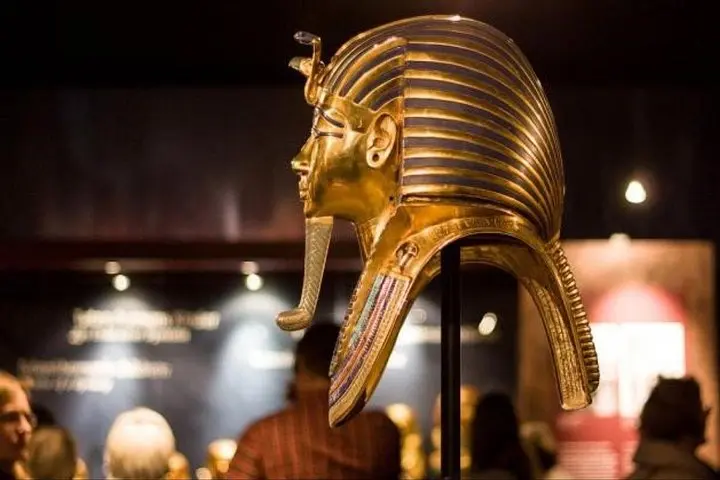
This five-day private itinerary threads Cairo’s monumental Bronze Age and Pharaonic collections with Luxor’s New Kingdom heart: Giza’s limestone and granite blocks, the Egyptian Museum’s Tutankhamun pieces, then south to the Valley of the Kings and Queen Hatshepsut’s terraced mortuary temple. Geologically, the monuments rest on Tertiary limestone and Eocene beds; sandstone and granite were quarried and hauled along Nile corridors that have powered settlements for millennia.
Culturally, modern Cairo and Luxor are living cities—markets, mosques, and riverside cafés that coexist with ancient stone. Expect knowledgeable Egyptologist guides who translate hieroglyphs into political and ritual stories, and a rhythm of early starts to avoid mid-day heat.
Practical guidance: plan for long days on foot across uneven stone, bring a sun hat and layered clothing for cool desert evenings, and budget extra for site entrance fees and photography permits. The sleeper train covers roughly 650–700 km between Cairo and Luxor in an overnight run—book seats that include bedding and confirm luggage handling.
Travelers should respect site rules (no touching reliefs), stay hydrated in the low-humidity heat, and use a small daypack for water, tickets, and sunscreen. This is archaeological adventure with comfortable logistics—fast-paced, richly rewarding, and deeply tactile.
Frequently asked questions
Typically entrance fees to museums and archaeological sites are not included—confirm with the operator and budget for tickets and any optional tomb permits like Tutankhamun’s or special chambers.
The overnight sleeper covers about 650–700 km and usually takes 9–12 hours depending on the service; sleepers include bedding but verify amenities before travel.
Most nationalities require a visa to enter Egypt—many travelers obtain an e-Visa in advance or a visa on arrival; check current entry rules for your passport before travel.
Tipping (baksheesh) is customary for guides, drivers, and service staff; budget modest daily tips or check if gratuities are included in your package.
About This Experience
Bastet Travel operates guided outdoor trips and adventures with an emphasis on safety, stewardship, and memorable experiences.
Adventure tips
Recommended gear
- Wide-brim sun hat: Protects face and neck from intense desert sun during daytime site visits.
- Sturdy walking shoes: Provides traction on temple steps, tomb ramps, and loose gravel.
- Light daypack: Carries water, tickets, camera, and a light layer while keeping hands free.
- Reusable water bottle with filter: Useful for refilling bottled water and reducing plastic waste; carry extra for long site days.
Photos of the experience

Related adventures & guides
Read the full experience
The morning light hits the Giza Plateau and dust lifts off the desert like a slow exhale; you stand under the Great Pyramid’s shadow as the Sphinx watches over the approach road. By night you’ll be on a sleeper train, the Nile tucked close to the windows, and by the third day the cliffs of the Theban Necropolis rise like a stage set for history.
The morning light hits the Giza Plateau and dust lifts off the desert like a slow exhale; you stand under the Great Pyramid’s shadow as the Sphinx watches over the approach road. By night you’ll be on a sleeper train, the Nile tucked close to the windows, and by the third day the cliffs of the Theban Necropolis rise like a stage set for history.
This five-day private itinerary threads Cairo’s monumental Bronze Age and Pharaonic collections with Luxor’s New Kingdom heart: Giza’s limestone and granite blocks, the Egyptian Museum’s Tutankhamun pieces, then south to the Valley of the Kings and Queen Hatshepsut’s terraced mortuary temple. Geologically, the monuments rest on Tertiary limestone and Eocene beds; sandstone and granite were quarried and hauled along Nile corridors that have powered settlements for millennia.
Culturally, modern Cairo and Luxor are living cities—markets, mosques, and riverside cafés that coexist with ancient stone. Expect knowledgeable Egyptologist guides who translate hieroglyphs into political and ritual stories, and a rhythm of early starts to avoid mid-day heat.
Practical guidance: plan for long days on foot across uneven stone, bring a sun hat and layered clothing for cool desert evenings, and budget extra for site entrance fees and photography permits. The sleeper train covers roughly 650–700 km between Cairo and Luxor in an overnight run—book seats that include bedding and confirm luggage handling.
Travelers should respect site rules (no touching reliefs), stay hydrated in the low-humidity heat, and use a small daypack for water, tickets, and sunscreen. This is archaeological adventure with comfortable logistics—fast-paced, richly rewarding, and deeply tactile.
Make a day of it nearby.
Verified experiences and guided adventures in the surrounding area.