THE ADVENTURE COLLECTIVE® · Independent discovery and booking for outdoor travel

A private five-day circuit through Jordan that stitches Petra's carved cityscapes, Wadi Rum's desert cathedrals, and the Dead Sea's buoyant salt flats into a single, flexible journey. Expect long drives, sunrise hikes, and plenty of time to float, photograph, and learn from local guides.
A private five-day circuit through Jordan that stitches Petra's carved cityscapes, Wadi Rum's desert cathedrals, and the Dead Sea's buoyant salt flats into a single, flexible journey. Expect long drives, sunrise hikes, and plenty of time to float, photograph, and learn from local guides.
You arrive at Queen Alia International with the heat already pooling over Amman's limestone roofs, and a driver waits with your name on a sign. The first morning feels like a slow breath before the country opens up: mosaics in Madaba, a wind-scoured promontory at Mount Nebo, then the first silhouette of Petra's canyon mouth hours later. Walking the Siq is a transition in scale as much as time — a 1.2 km ribbon of stone that funnels you toward the Treasury, where the cliff seems to release its carved jaw and the past steps into the present.
Verified experiences and guided adventures in the surrounding area.
Operated by Elegant Limo Jordan · Amman, Amman Governorate
You arrive at Queen Alia International with the heat already pooling over Amman's limestone roofs, and a driver waits with your name on a sign. The first morning feels like a slow breath before the country opens up: mosaics in Madaba, a wind-scoured promontory at Mount Nebo, then the first silhouette of Petra's canyon mouth hours later. Walking the Siq is a transition in scale as much as time — a 1.2 km ribbon of stone that funnels you toward the Treasury, where the cliff seems to release its carved jaw and the past steps into the present.
This private five-day loop threads Jordan's high points with an intimacy group tours cannot match. Petra, carved by the Nabataeans two millennia ago, sits between 800 and 1,000 meters above sea level and reveals facades, tombs, and amphitheaters that chart a trade empire written in stone. Geologically, the rose-red sandstone of the southern highlands is a page of folded layers and wind-polished arches; erosion has shaped the Siq and the vast Wadi Rum amphitheaters into a landscape that presses stories into every outcrop.
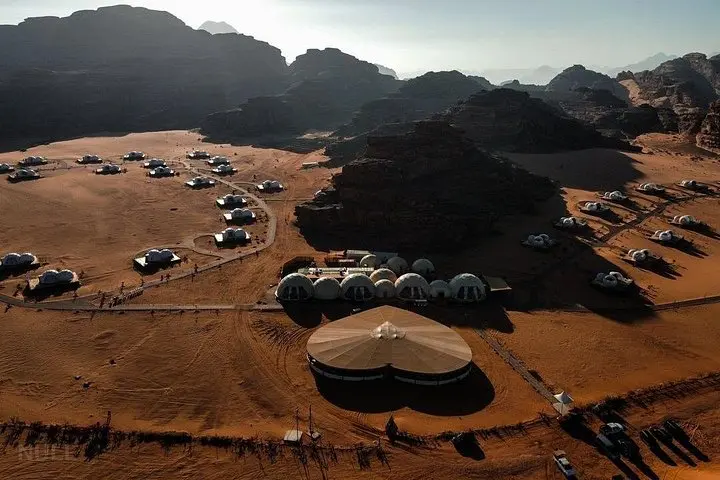
Wadi Rum changes the pace — broad desert plains punctuated by mushrooming sandstone buttes. Local Bedouin guides steer 4x4s up narrow washes and into canyons, and their camp under an enormous sky is where silence grows teeth and the stars move slowly enough to be watched. The Dead Sea closes the loop, sitting roughly 400 meters below sea level, its neon salt crust and buoyant waters offering an almost surreal, weightless finale.
Culturally the trip balances archaeological awe with living tradition. Madaba's Byzantine mosaics map an early Mediterranean world. In the desert, Bedouin hospitality is practical and direct: tea, stories, and routes learned over generations. Note practicalities before you go: pickup can be arranged across Amman, private transport includes onboard Wi-Fi and bottled water, and a Jordan Pass is required for many archaeological sites.
For timing and logistics, factor in long drives — roughly three hours from Amman to Petra by the Desert Highway, and about an hour from Petra to Wadi Rum depending on stops. Petra walking days call for sturdy shoes and early starts to beat midday heat; the Wadi Rum Jeep tour commonly runs two hours but can be extended. At the Dead Sea, plan for sunscreen, a waterproof bag for electronics, and avoid shaving the day you float.
This itinerary gives room to tweak: swap a hotel night for a luxury desert camp, add a hot-air balloon at sunrise, or linger at a high vantage for photos. The route is practical, immersive, and paced to let Jordan's geology and history do the guiding — you need only the curiosity to follow them.
Yes, the Jordan Pass covers entry to Petra and other archaeological sites; purchase it before arrival to save on entrance fees and skip lines.
Expect several hours on day three, including a 1.2 km walk through the Siq plus additional walking between sites; plan for up to 6–8 hours of exploration with breaks.
Yes — the tour is private and paced for comfort, with vehicle transfers and optional rest; however, Petra involves uneven terrain which may be difficult for limited mobility.
Yes, floating is safe for most people but avoid if you have open wounds or recent shaving; children should be supervised and wear flotation aids if needed.
No, hot-air balloon rides and camel rides are optional activities available at additional cost and should be booked in advance.
The Jordanian dinar (JOD) is standard; carry small bills for tips. Tipping drivers, guides, and camp staff is customary and appreciated.
Elegant Limo Jordan operates guided outdoor trips and adventures with an emphasis on safety, stewardship, and memorable experiences.
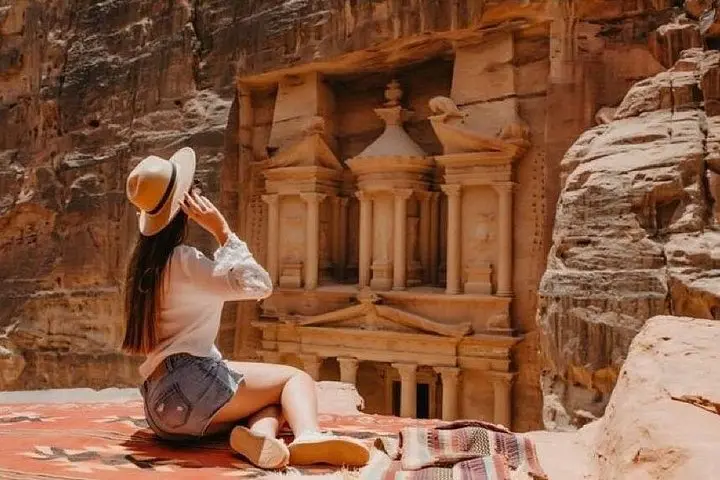
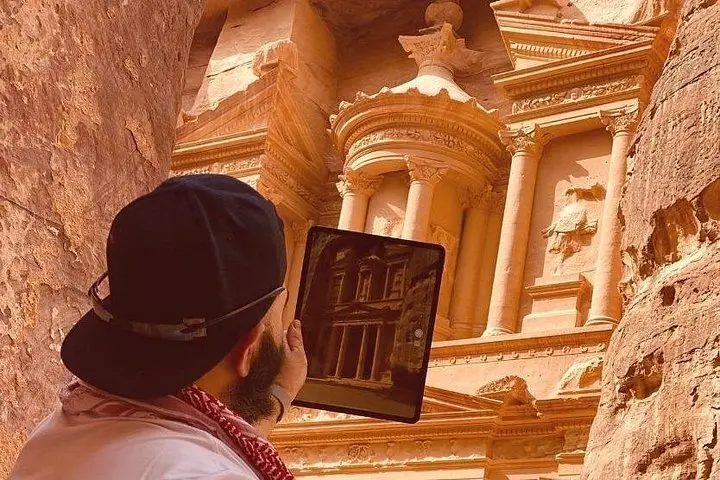
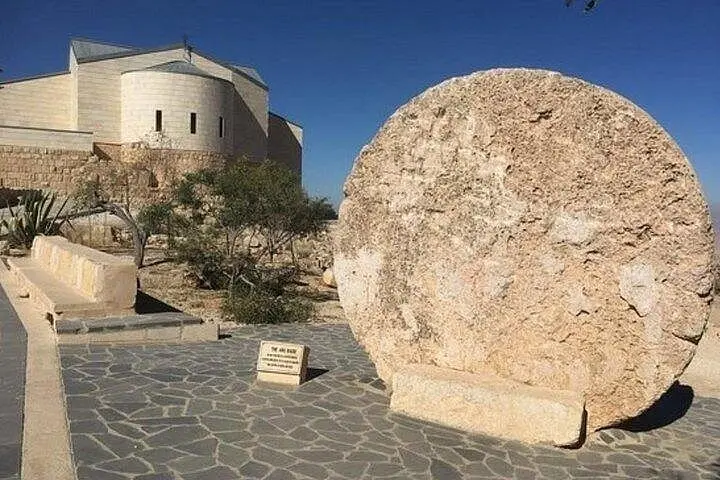
You arrive at Queen Alia International with the heat already pooling over Amman's limestone roofs, and a driver waits with your name on a sign. The first morning feels like a slow breath before the country opens up: mosaics in Madaba, a wind-scoured promontory at Mount Nebo, then the first silhouette of Petra's canyon mouth hours later. Walking the Siq is a transition in scale as much as time — a 1.2 km ribbon of stone that funnels you toward the Treasury, where the cliff seems to release its carved jaw and the past steps into the present.
You arrive at Queen Alia International with the heat already pooling over Amman's limestone roofs, and a driver waits with your name on a sign. The first morning feels like a slow breath before the country opens up: mosaics in Madaba, a wind-scoured promontory at Mount Nebo, then the first silhouette of Petra's canyon mouth hours later. Walking the Siq is a transition in scale as much as time — a 1.2 km ribbon of stone that funnels you toward the Treasury, where the cliff seems to release its carved jaw and the past steps into the present.
This private five-day loop threads Jordan's high points with an intimacy group tours cannot match. Petra, carved by the Nabataeans two millennia ago, sits between 800 and 1,000 meters above sea level and reveals facades, tombs, and amphitheaters that chart a trade empire written in stone. Geologically, the rose-red sandstone of the southern highlands is a page of folded layers and wind-polished arches; erosion has shaped the Siq and the vast Wadi Rum amphitheaters into a landscape that presses stories into every outcrop.
Wadi Rum changes the pace — broad desert plains punctuated by mushrooming sandstone buttes. Local Bedouin guides steer 4x4s up narrow washes and into canyons, and their camp under an enormous sky is where silence grows teeth and the stars move slowly enough to be watched. The Dead Sea closes the loop, sitting roughly 400 meters below sea level, its neon salt crust and buoyant waters offering an almost surreal, weightless finale.
Culturally the trip balances archaeological awe with living tradition. Madaba's Byzantine mosaics map an early Mediterranean world. In the desert, Bedouin hospitality is practical and direct: tea, stories, and routes learned over generations. Note practicalities before you go: pickup can be arranged across Amman, private transport includes onboard Wi-Fi and bottled water, and a Jordan Pass is required for many archaeological sites.
For timing and logistics, factor in long drives — roughly three hours from Amman to Petra by the Desert Highway, and about an hour from Petra to Wadi Rum depending on stops. Petra walking days call for sturdy shoes and early starts to beat midday heat; the Wadi Rum Jeep tour commonly runs two hours but can be extended. At the Dead Sea, plan for sunscreen, a waterproof bag for electronics, and avoid shaving the day you float.
This itinerary gives room to tweak: swap a hotel night for a luxury desert camp, add a hot-air balloon at sunrise, or linger at a high vantage for photos. The route is practical, immersive, and paced to let Jordan's geology and history do the guiding — you need only the curiosity to follow them.