THE ADVENTURE COLLECTIVE® · Independent discovery and booking for outdoor travel

Five days of private game drives across Tarangire, Ngorongoro Crater and the Serengeti, departing Arusha. Expect close encounters, dramatic landscapes and a flexible itinerary tailored to wildlife movement and local insight.
Five days of private game drives across Tarangire, Ngorongoro Crater and the Serengeti, departing Arusha. Expect close encounters, dramatic landscapes and a flexible itinerary tailored to wildlife movement and local insight.
The sun pushes off the rim of the Ngorongoro Crater like a slow, deliberate promise. Dust rises in the wake of a 4x4 as the vehicle threads between thornbush and towering baobabs, and the Serengeti’s grassland breathes—alive, patient, and conspicuously indifferent to your schedule. On this five-day private circuit from Arusha, the parks don’t simply reveal wildlife; they set it in motion. Herds re-form like shifting islands; predators mark the contours of possibility.
Verified experiences and guided adventures in the surrounding area.
Operated by safari soles tours · Arusha, Arusha Region
The sun pushes off the rim of the Ngorongoro Crater like a slow, deliberate promise. Dust rises in the wake of a 4x4 as the vehicle threads between thornbush and towering baobabs, and the Serengeti’s grassland breathes—alive, patient, and conspicuously indifferent to your schedule. On this five-day private circuit from Arusha, the parks don’t simply reveal wildlife; they set it in motion. Herds re-form like shifting islands; predators mark the contours of possibility.
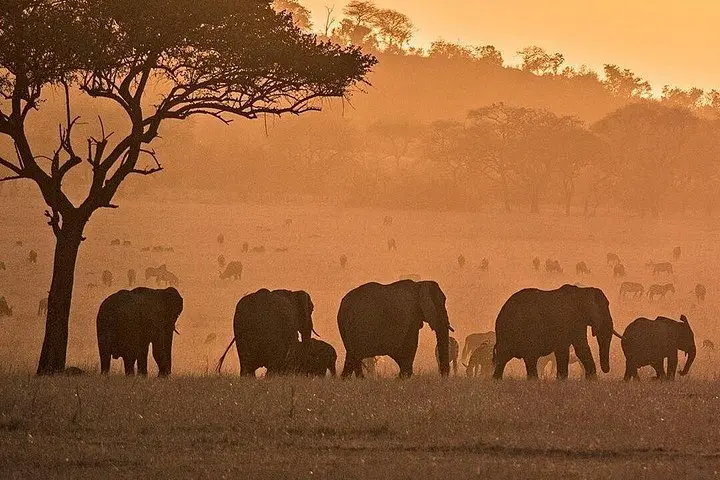
This route stitches together three of northern Tanzania’s most distinct landscapes. Tarangire’s river is the region’s life-sauce, pulling elephants into the park’s maze of acacia and baobab. Ngorongoro is a collapsed volcano—an amphitheater of evolution whose crater floor holds a disproportionate density of species. The Serengeti stretches beyond sight, a geologic plain shaped by ancient tectonic tilting and modern migrations that have followed the rains for millennia.
Culturally the trip runs on the rhythms of Maasai life and Swahili trade. Many guides are local, blending natural history with first-hand accounts: seasonal grazing patterns, oral stories tied to landscape features, the old routes where people and wildlife intersect. Understanding these human layers enriches the game drives; the land reads as both habitat and living archive.
Practicalities are straightforward: private transport connects each park, with game drives scheduled across full days to maximize light and animal activity. Accommodations can vary from basic camps to lodge comfort—this itinerary includes camping equipment and three meals daily on most days, so expect early mornings and long afternoons framed by binoculars.
What to prepare: pack layers for sharp crater mornings and hot midday plains, bring quality binoculars and a telephoto lens if you shoot, and plan to be vehicle-bound for most travel between reserves. Hydrate constantly—the combination of sun and long drives is deceptively dehydrating. Respect park rules: no leaving the vehicle except at designated points, keep noise low, and follow your guide’s lead during predator encounters.
Who this suits: travelers who want concentrated time in classic northern circuit parks without the logistics of coordinating transfers themselves. The private format keeps the pace flexible—more time watching at a pride’s kill, or leaving earlier for a sunrise over the Serengeti horizon.
Beyond the checklist, the lasting impression is elemental: landscapes that shape animal behavior in plain sight, and guides who translate that choreography into context you can follow. The trip is less about tallying species than seeing the systems that put them where they are.
Consult a travel clinic—yellow fever certification may be required if arriving from endemic countries; malaria prophylaxis is recommended for Tanzanian safaris.
Confirm with the operator—this itinerary lists fees and taxes among inclusions, but some national park levies can be collected locally.
Expect multi-hour transfers between Tarangire, Ngorongoro and Serengeti; private transport breaks these into manageable drives with stops for rest and birding.
Yes—this is a private tour and can be adjusted for pacing, specific wildlife targets, or accommodation upgrades when arranged in advance.
Options range from camping with supplied equipment to lodges; the standard inclusions mention camping gear and three meals on many days—confirm your preferred level when booking.
Vehicle-based viewing is accessible for many ages, but confirm mobility needs ahead of time and note the tour advises against serious back problems.
safari soles tours operates guided outdoor trips and adventures with an emphasis on safety, stewardship, and memorable experiences.
The sun pushes off the rim of the Ngorongoro Crater like a slow, deliberate promise. Dust rises in the wake of a 4x4 as the vehicle threads between thornbush and towering baobabs, and the Serengeti’s grassland breathes—alive, patient, and conspicuously indifferent to your schedule. On this five-day private circuit from Arusha, the parks don’t simply reveal wildlife; they set it in motion. Herds re-form like shifting islands; predators mark the contours of possibility.
The sun pushes off the rim of the Ngorongoro Crater like a slow, deliberate promise. Dust rises in the wake of a 4x4 as the vehicle threads between thornbush and towering baobabs, and the Serengeti’s grassland breathes—alive, patient, and conspicuously indifferent to your schedule. On this five-day private circuit from Arusha, the parks don’t simply reveal wildlife; they set it in motion. Herds re-form like shifting islands; predators mark the contours of possibility.
This route stitches together three of northern Tanzania’s most distinct landscapes. Tarangire’s river is the region’s life-sauce, pulling elephants into the park’s maze of acacia and baobab. Ngorongoro is a collapsed volcano—an amphitheater of evolution whose crater floor holds a disproportionate density of species. The Serengeti stretches beyond sight, a geologic plain shaped by ancient tectonic tilting and modern migrations that have followed the rains for millennia.
Culturally the trip runs on the rhythms of Maasai life and Swahili trade. Many guides are local, blending natural history with first-hand accounts: seasonal grazing patterns, oral stories tied to landscape features, the old routes where people and wildlife intersect. Understanding these human layers enriches the game drives; the land reads as both habitat and living archive.
Practicalities are straightforward: private transport connects each park, with game drives scheduled across full days to maximize light and animal activity. Accommodations can vary from basic camps to lodge comfort—this itinerary includes camping equipment and three meals daily on most days, so expect early mornings and long afternoons framed by binoculars.
What to prepare: pack layers for sharp crater mornings and hot midday plains, bring quality binoculars and a telephoto lens if you shoot, and plan to be vehicle-bound for most travel between reserves. Hydrate constantly—the combination of sun and long drives is deceptively dehydrating. Respect park rules: no leaving the vehicle except at designated points, keep noise low, and follow your guide’s lead during predator encounters.
Who this suits: travelers who want concentrated time in classic northern circuit parks without the logistics of coordinating transfers themselves. The private format keeps the pace flexible—more time watching at a pride’s kill, or leaving earlier for a sunrise over the Serengeti horizon.
Beyond the checklist, the lasting impression is elemental: landscapes that shape animal behavior in plain sight, and guides who translate that choreography into context you can follow. The trip is less about tallying species than seeing the systems that put them where they are.