THE ADVENTURE COLLECTIVE® · Independent discovery and booking for outdoor travel

Walk five hours through Hoi An’s UNESCO-listed streets with a private guide — from the iconic Japanese Covered Bridge to lantern-lit alleys. This practical, transport-included experience pairs history and living craft with local insights and planning tips.
Walk five hours through Hoi An’s UNESCO-listed streets with a private guide — from the iconic Japanese Covered Bridge to lantern-lit alleys. This practical, transport-included experience pairs history and living craft with local insights and planning tips.
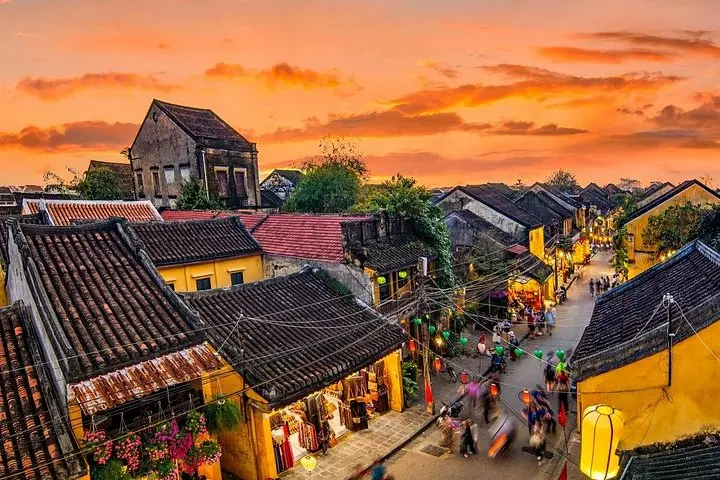
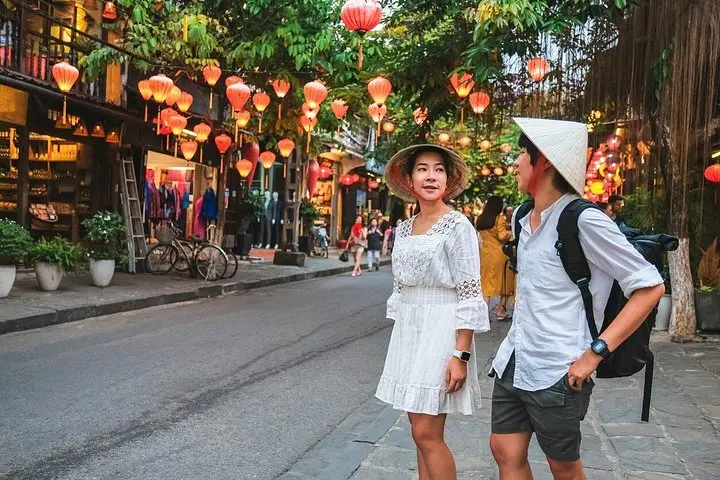
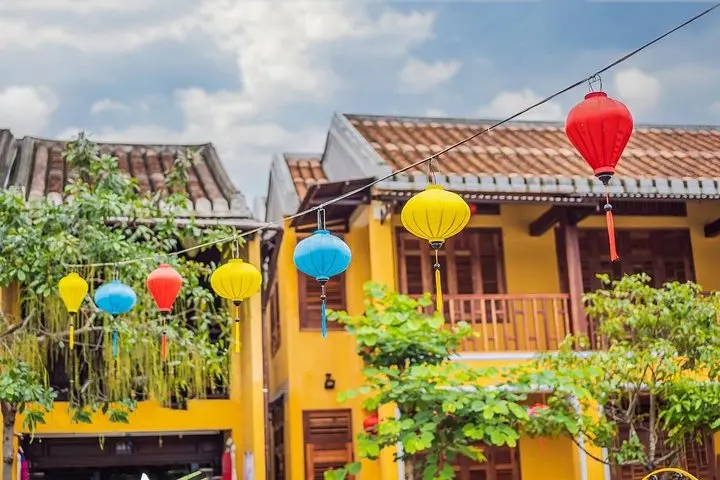
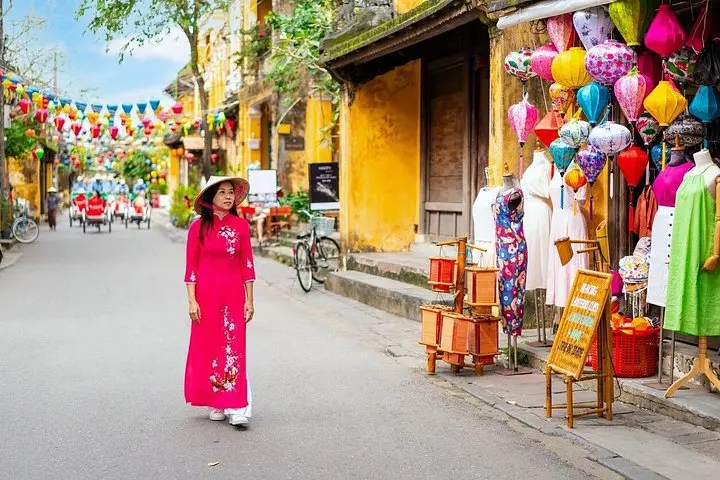
The lane narrows, shop shutters part, and a river of lantern light spills across cobbles as the guide leads you under the eave of the Japanese Covered Bridge. In five hours the walk moves like a short story: riverside markets, lacquer studios, and the hush of assembly halls where incense still curls.
Verified experiences and guided adventures in the surrounding area.
Operated by Opatrip.com Vietnam · Hoi An, Quang Nam
The lane narrows, shop shutters part, and a river of lantern light spills across cobbles as the guide leads you under the eave of the Japanese Covered Bridge. In five hours the walk moves like a short story: riverside markets, lacquer studios, and the hush of assembly halls where incense still curls.
Hoi An sits where the Thu Bon River met the South China Sea, its geography making it a regional trading hub from the 15th to 19th centuries. That commerce left a compact townscape—wooden shop-houses with Chinese motifs, a Japanese-built bridge, and French colonial lines—that reads like a layered map of cultural exchange. The soils here are alluvial; low-lying fields and nearby sandbars still influence daily life and boat traffic.
A private guided tour covers the UNESCO-listed old town at an unhurried pace: the Covered Bridge, Fujian-style assembly halls, and narrow lanes of tailors and food stalls. Cultural notes arrive alongside practical context—how silk and spices shaped street geography, or why house-fronts face the river.
Plan practically: transport is included, but all historic sites may have small entrance fees; carry local currency. Choose morning cool or evening lantern light for contrasting moods. Wear comfortable shoes for cobbles, bring sun and rain protection, and respect temple dress codes. Support local craft by buying small items directly from artisans; it’s the most durable souvenir and helps keep traditional trades alive.
This private tour typically does not include museum or assembly hall entrance fees—bring small amounts of local cash to cover any optional admissions.
Yes; the tour lists transportation among inclusions, but confirm pickup point and language preference at booking.
Yes; the tour is rated easy and suitable for all physical fitness levels, though cobbles and crowds can be challenging for strollers or limited mobility—notify the operator when booking.
A professional local guide is provided; English is commonly offered but confirm your preferred language at booking to ensure availability.
Opatrip.com Vietnam operates guided outdoor trips and adventures with an emphasis on safety, stewardship, and memorable experiences.
The lane narrows, shop shutters part, and a river of lantern light spills across cobbles as the guide leads you under the eave of the Japanese Covered Bridge. In five hours the walk moves like a short story: riverside markets, lacquer studios, and the hush of assembly halls where incense still curls.
The lane narrows, shop shutters part, and a river of lantern light spills across cobbles as the guide leads you under the eave of the Japanese Covered Bridge. In five hours the walk moves like a short story: riverside markets, lacquer studios, and the hush of assembly halls where incense still curls.
Hoi An sits where the Thu Bon River met the South China Sea, its geography making it a regional trading hub from the 15th to 19th centuries. That commerce left a compact townscape—wooden shop-houses with Chinese motifs, a Japanese-built bridge, and French colonial lines—that reads like a layered map of cultural exchange. The soils here are alluvial; low-lying fields and nearby sandbars still influence daily life and boat traffic.
A private guided tour covers the UNESCO-listed old town at an unhurried pace: the Covered Bridge, Fujian-style assembly halls, and narrow lanes of tailors and food stalls. Cultural notes arrive alongside practical context—how silk and spices shaped street geography, or why house-fronts face the river.
Plan practically: transport is included, but all historic sites may have small entrance fees; carry local currency. Choose morning cool or evening lantern light for contrasting moods. Wear comfortable shoes for cobbles, bring sun and rain protection, and respect temple dress codes. Support local craft by buying small items directly from artisans; it’s the most durable souvenir and helps keep traditional trades alive.