THE ADVENTURE COLLECTIVE® · Independent discovery and booking for outdoor travel

A private 6-day Golden Triangle tour offers close-up access to Delhi’s streets, Agra’s Taj at sunrise and Jaipur’s forts, all with a private driver and guide. Expect early starts, long drives between cities and hands-on cultural context that brings Mughal and Rajput architecture to life.
A private 6-day Golden Triangle tour offers close-up access to Delhi’s streets, Agra’s Taj at sunrise and Jaipur’s forts, all with a private driver and guide. Expect early starts, long drives between cities and hands-on cultural context that brings Mughal and Rajput architecture to life.
Morning light strips the Taj of its mystery and the driver’s car hums across the Yamuna floodplain toward marble that glows gold at sunrise. In Delhi the city rushes past: rickshaws elbow through Chandni Chowk, colonial avenues give way to Mughal tombs, and a private guide unfurls histories as easily as a map.
Verified experiences and guided adventures in the surrounding area.
Operated by Akbran Tours · New Delhi, Delhi
Morning light strips the Taj of its mystery and the driver’s car hums across the Yamuna floodplain toward marble that glows gold at sunrise. In Delhi the city rushes past: rickshaws elbow through Chandni Chowk, colonial avenues give way to Mughal tombs, and a private guide unfurls histories as easily as a map.
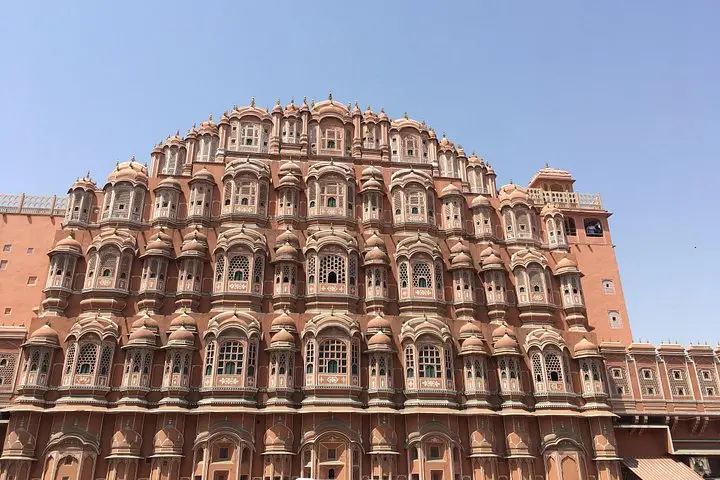
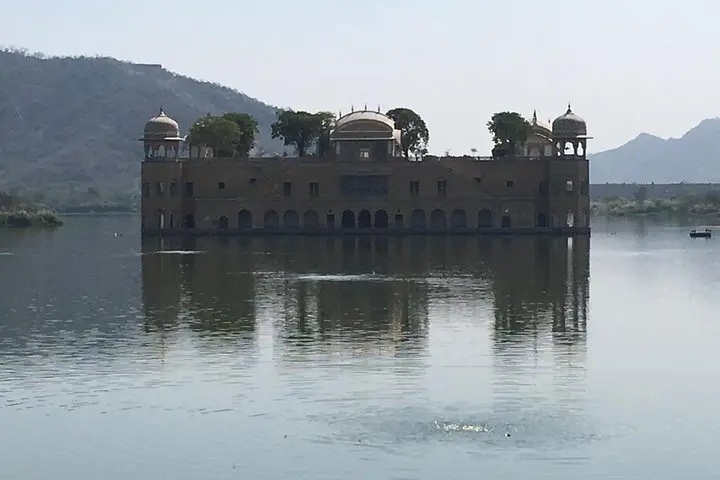
The route stitches three eras — Mughal monuments in Agra, Lodi- and Mughal-era Delhi graves and gates, and Jaipur’s Rajput palaces — over roads that cross the alluvial plains and the low ridges of the Aravalli foothills. Red sandstone and white marble tell the architectural story: domes, battlements, carved jalis and astronomical instruments at Jantar Mantar.
Culture here is tactile: spice markets that demand bargaining, modest dress at religious sites, and the constant aroma of street chai. Local guides decode symbolism on tomb walls and point out design details that a quick photo misses.
Practical edge: start landmark visits early to beat heat and crowds — Taj Mahal sunrise is a different rhythm than late-morning tours. Plan for traffic between cities (Delhi–Agra ~3.5–4 hours; Agra–Jaipur ~4–5 hours), bring cash for small purchases, and schedule rest after long drives. Comfortable walking shoes and a refillable water bottle keep days moving; a lightweight layer is useful for cool winter mornings. Most monuments limit large bags and require modest attire. When possible, give time to quieter spots — a riverside garden at dusk or a stepwell outside the main circuit — and leave monuments as you found them.
Yes — the tour lists monument entrance fees among inclusions, though some optional extras (special camera permits or private museum guides) may cost extra.
This is a private tour, so timings, additional stops and some itinerary tweaks are typically possible with advance notice to the operator.
Vehicles and some routes are wheelchair accessible, but several monuments have steps and uneven surfaces — contact the operator to confirm site-by-site access and vehicle needs.
Breakfast is provided each morning at hotels; other meals are at the traveler’s expense unless otherwise arranged and guides can recommend safe local options and dietary accommodations.
Akbran Tours operates guided outdoor trips and adventures with an emphasis on safety, stewardship, and memorable experiences.
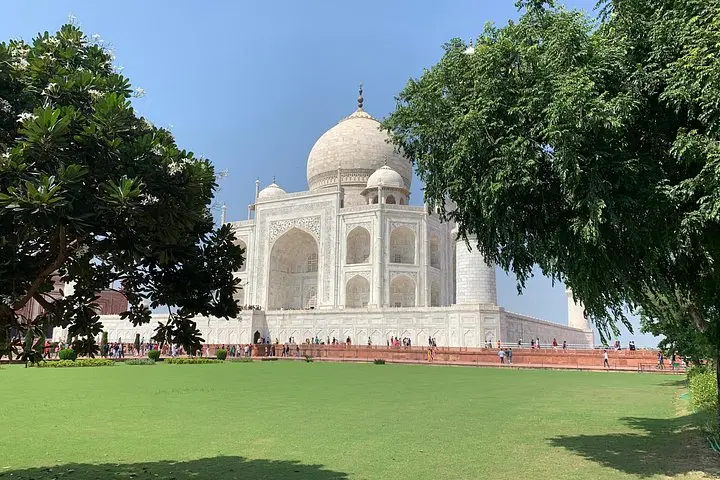
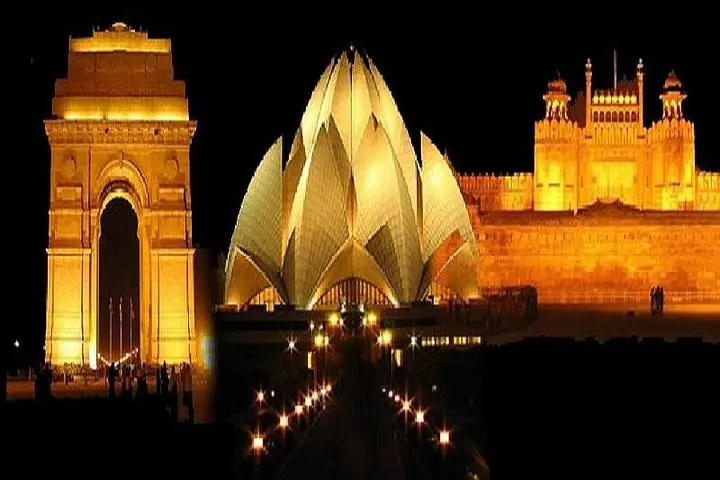
Morning light strips the Taj of its mystery and the driver’s car hums across the Yamuna floodplain toward marble that glows gold at sunrise. In Delhi the city rushes past: rickshaws elbow through Chandni Chowk, colonial avenues give way to Mughal tombs, and a private guide unfurls histories as easily as a map.
Morning light strips the Taj of its mystery and the driver’s car hums across the Yamuna floodplain toward marble that glows gold at sunrise. In Delhi the city rushes past: rickshaws elbow through Chandni Chowk, colonial avenues give way to Mughal tombs, and a private guide unfurls histories as easily as a map.
The route stitches three eras — Mughal monuments in Agra, Lodi- and Mughal-era Delhi graves and gates, and Jaipur’s Rajput palaces — over roads that cross the alluvial plains and the low ridges of the Aravalli foothills. Red sandstone and white marble tell the architectural story: domes, battlements, carved jalis and astronomical instruments at Jantar Mantar.
Culture here is tactile: spice markets that demand bargaining, modest dress at religious sites, and the constant aroma of street chai. Local guides decode symbolism on tomb walls and point out design details that a quick photo misses.
Practical edge: start landmark visits early to beat heat and crowds — Taj Mahal sunrise is a different rhythm than late-morning tours. Plan for traffic between cities (Delhi–Agra ~3.5–4 hours; Agra–Jaipur ~4–5 hours), bring cash for small purchases, and schedule rest after long drives. Comfortable walking shoes and a refillable water bottle keep days moving; a lightweight layer is useful for cool winter mornings. Most monuments limit large bags and require modest attire. When possible, give time to quieter spots — a riverside garden at dusk or a stepwell outside the main circuit — and leave monuments as you found them.