THE ADVENTURE COLLECTIVE® · Independent discovery and booking for outdoor travel

A compact six-day circuit from Casablanca that pairs Atlas mountain passes, UNESCO kasbahs and a night in a private Sahara camp. Expect long scenic drives, short hikes, camel treks and immersive medina time.
A compact six-day circuit from Casablanca that pairs Atlas mountain passes, UNESCO kasbahs and a night in a private Sahara camp. Expect long scenic drives, short hikes, camel treks and immersive medina time.
Morning traffic in Casablanca loosens as the convoy pulls away, and within hours the Atlantic recedes to a pale line. The road climbs through Rif-blue Chefchaouen, threads Roman columns at Volubilis, and pushes into the cedar-smudged slopes of the Middle Atlas where Barbary macaques appear at the roadside like watchful locals.
Verified experiences and guided adventures in the surrounding area.
Operated by Morocco Safari Desert · Casablanca, Casablanca-Settat
Morning traffic in Casablanca loosens as the convoy pulls away, and within hours the Atlantic recedes to a pale line. The road climbs through Rif-blue Chefchaouen, threads Roman columns at Volubilis, and pushes into the cedar-smudged slopes of the Middle Atlas where Barbary macaques appear at the roadside like watchful locals.
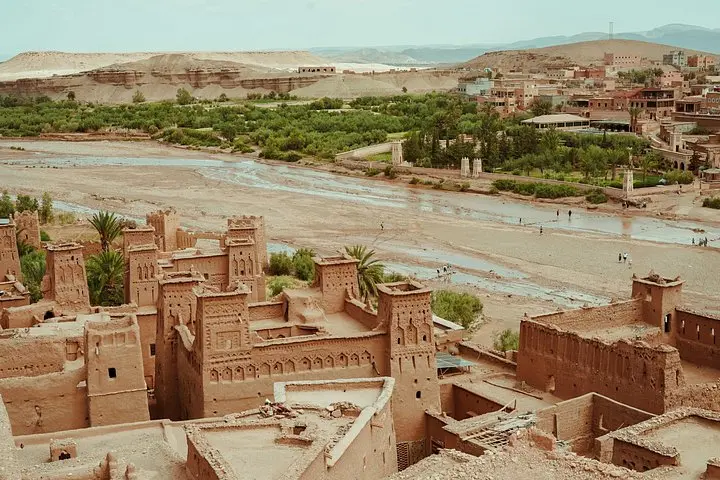
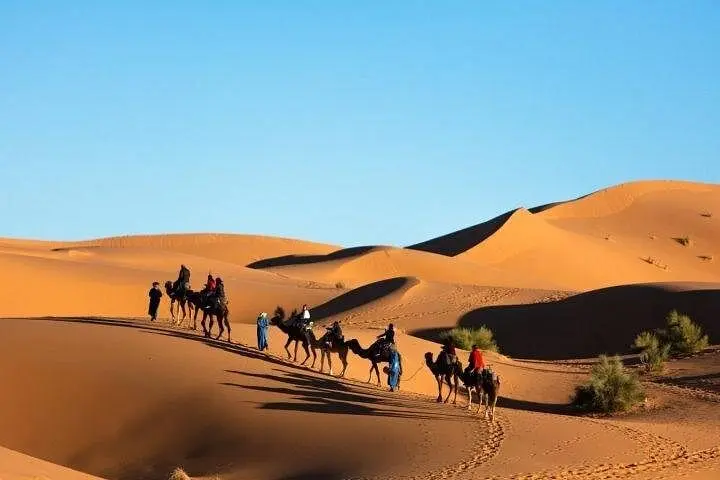
This six-day loop stitches Morocco’s major chapters: Roman mosaics in Volubilis, the imperial gates of Meknes, the hand-shaped canyons of Todra, and the reddish kasbahs of Ait Ben Haddou — a mudbrick set-piece that has endured both history and Hollywood. Geologically, the High Atlas is a young, folded range that forces Atlantic storms to dump heat and sand onto the Sahara’s Erg Chebbi, the dunes that rise and fall like slow ocean waves.
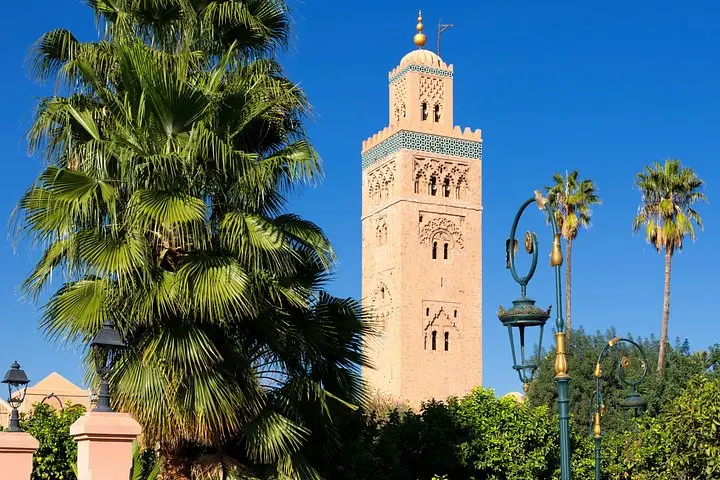
Culturally the trip moves between Arab-Andalusian medinas, Amazigh (Berber) villages, and nomadic camp life; nights in riads and under desert stars highlight Morocco’s layered hospitality. Expect long drives across varied pavement, a camel trek over shifting sand, short canyon walks, and guided time in Fez’s labyrinthine souk.
Practical notes: pack layered clothing for hot days and cold desert nights, bring sturdy walking shoes for tanneries and kasbah approaches, carry at least 2–3 liters of water for desert stretches, and keep small dirhams for market purchases and tipping. Choose a window seat on the Atlas passes for the best light; ascend slowly if you feel altitude strain. With sensible pacing, the itinerary balances cultural depth and outdoor moments—from palm-lined Ziz valleys to nocturnal stars peeled open by quiet dunes.
Visa requirements depend on your nationality—check Morocco’s government website or your embassy; many nationalities receive a visa on arrival or visa-free access for short stays.
The camel ride is low-impact but requires balance; desert camps provide basic comfort—bring layers for cold nights and let guides know about mobility limits.
The tour lists breakfasts and some dinners plus monument entrance fees as included—confirm specifics with your operator at booking for any additional paid activities.
The itinerary notes it’s not recommended for travelers with serious spinal or cardiovascular conditions; families with children should check camel-ride suitability and long driving segments with the operator.
Morocco Safari Desert operates guided outdoor trips and adventures with an emphasis on safety, stewardship, and memorable experiences.
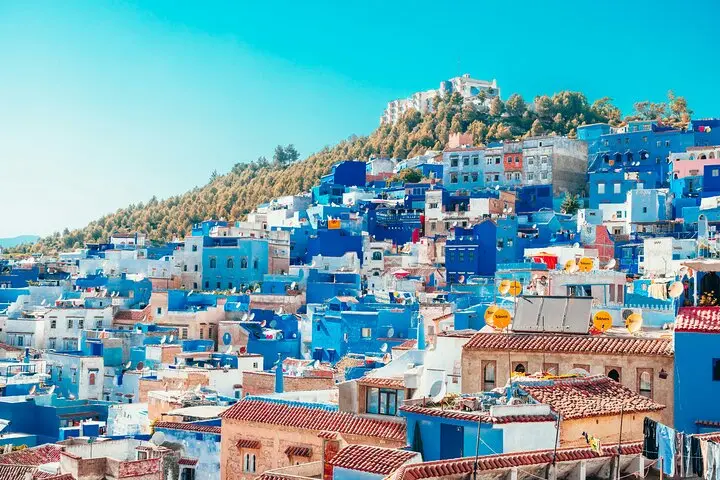
Morning traffic in Casablanca loosens as the convoy pulls away, and within hours the Atlantic recedes to a pale line. The road climbs through Rif-blue Chefchaouen, threads Roman columns at Volubilis, and pushes into the cedar-smudged slopes of the Middle Atlas where Barbary macaques appear at the roadside like watchful locals.
Morning traffic in Casablanca loosens as the convoy pulls away, and within hours the Atlantic recedes to a pale line. The road climbs through Rif-blue Chefchaouen, threads Roman columns at Volubilis, and pushes into the cedar-smudged slopes of the Middle Atlas where Barbary macaques appear at the roadside like watchful locals.
This six-day loop stitches Morocco’s major chapters: Roman mosaics in Volubilis, the imperial gates of Meknes, the hand-shaped canyons of Todra, and the reddish kasbahs of Ait Ben Haddou — a mudbrick set-piece that has endured both history and Hollywood. Geologically, the High Atlas is a young, folded range that forces Atlantic storms to dump heat and sand onto the Sahara’s Erg Chebbi, the dunes that rise and fall like slow ocean waves.
Culturally the trip moves between Arab-Andalusian medinas, Amazigh (Berber) villages, and nomadic camp life; nights in riads and under desert stars highlight Morocco’s layered hospitality. Expect long drives across varied pavement, a camel trek over shifting sand, short canyon walks, and guided time in Fez’s labyrinthine souk.
Practical notes: pack layered clothing for hot days and cold desert nights, bring sturdy walking shoes for tanneries and kasbah approaches, carry at least 2–3 liters of water for desert stretches, and keep small dirhams for market purchases and tipping. Choose a window seat on the Atlas passes for the best light; ascend slowly if you feel altitude strain. With sensible pacing, the itinerary balances cultural depth and outdoor moments—from palm-lined Ziz valleys to nocturnal stars peeled open by quiet dunes.