THE ADVENTURE COLLECTIVE® · Independent discovery and booking for outdoor travel

A private six-day circuit linking Amboseli, Lake Nakuru and the Masai Mara: elephants beneath Kilimanjaro, flamingo-ringed shores, and predator-rich Mara plains. Practical tips on timing, gear, and what to expect on this classic Kenyan safari.
A private six-day circuit linking Amboseli, Lake Nakuru and the Masai Mara: elephants beneath Kilimanjaro, flamingo-ringed shores, and predator-rich Mara plains. Practical tips on timing, gear, and what to expect on this classic Kenyan safari.
You step out of Nairobi traffic into the dry air of the southern plains, Kilimanjaro’s silhouette growing clearer with each mile. Dust lifts as the safari vehicle rolls into Amboseli, where herds of elephants pace the flats and acacia trees cast thin, sharp shadows. The landscape here pushes you toward the mountain; wildlife pushes back with its own rhythms.
Verified experiences and guided adventures in the surrounding area.
Operated by Marurumi Safaris · Nairobi, Nairobi County
You step out of Nairobi traffic into the dry air of the southern plains, Kilimanjaro’s silhouette growing clearer with each mile. Dust lifts as the safari vehicle rolls into Amboseli, where herds of elephants pace the flats and acacia trees cast thin, sharp shadows. The landscape here pushes you toward the mountain; wildlife pushes back with its own rhythms.
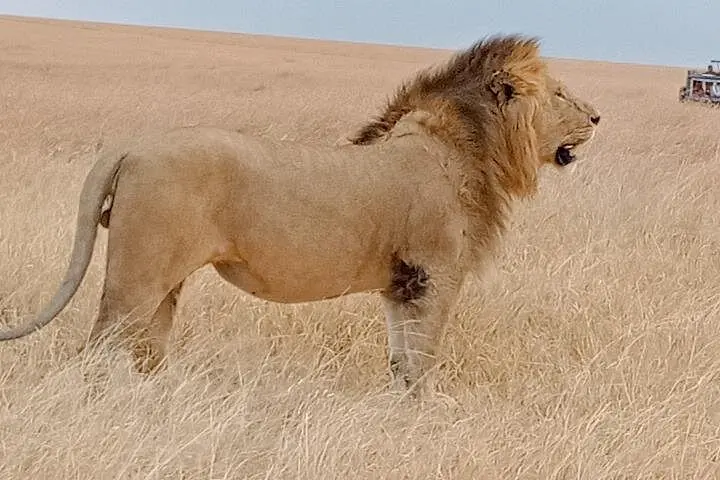
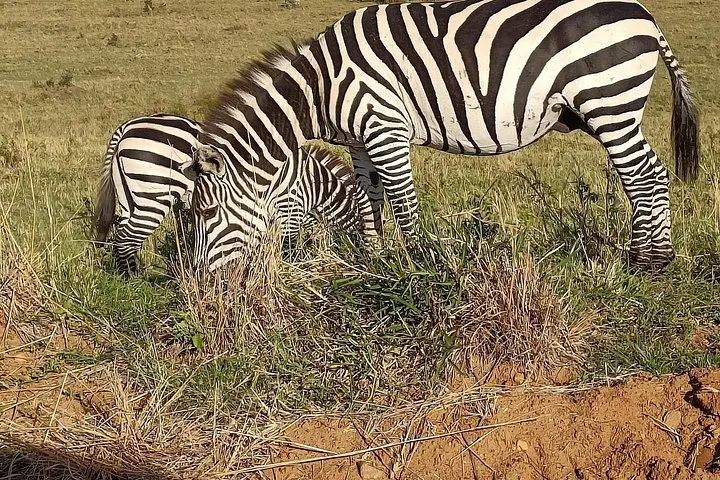
This six-day loop threads three of Kenya’s iconic ecosystems. Amboseli sits on volcanic sediments at the foot of Mount Kilimanjaro, offering long sightlines and large elephant families that migrate across its swampy flats. Lake Nakuru occupies a shallow basin in the Great Rift Valley — alkaline water that, when conditions align, attracts bands of flamingos and supports a protected rhino population. The Masai Mara completes the arc: wildebeest-plentiful grasslands, predator-rich river crossings, and a strong Maasai cultural presence that shapes land use and tourism.
Expect game drives at dawn and dusk, lodge-to-lodge transfers across 100–300 km stretches, and basic to mid-range camps with included meals and park fees for non-residents. Photography windows are generous; guides focus on tracking and animal behavior rather than long hikes. Practical prep: pack layered clothing for hot days and cool nights, a wide-brim hat, binoculars, and malaria precautions. Hydrate during long drives and bring motion-sickness measures if you’re prone to it.
Timing matters — short rains can close dirt tracks, while dry months concentrate animals at water sources. Respect local customs: ask before photographing Maasai people and minimize noise around wildlife. With straightforward logistics and a private guide, this itinerary delivers classic Kenyan safari encounters with practical comfort.
The dry months (July–October) concentrate wildlife around water sources and overlap with the great migration in the Mara; June–September is broadly excellent for visibility and road access.
Consult a travel health clinic: yellow fever may be required depending on origin, and malaria prophylaxis is recommended for many visitors to Kenyan parks.
This itinerary includes mid-range lodges/camps with breakfast and most meals; upgrades to higher-level options are available for a supplement.
Yes — the trip is described as suitable for all fitness levels, but long drives can be tiring; discuss specific needs with the operator and ensure necessary documentation for minors.
Marurumi Safaris operates guided outdoor trips and adventures with an emphasis on safety, stewardship, and memorable experiences.
You step out of Nairobi traffic into the dry air of the southern plains, Kilimanjaro’s silhouette growing clearer with each mile. Dust lifts as the safari vehicle rolls into Amboseli, where herds of elephants pace the flats and acacia trees cast thin, sharp shadows. The landscape here pushes you toward the mountain; wildlife pushes back with its own rhythms.
You step out of Nairobi traffic into the dry air of the southern plains, Kilimanjaro’s silhouette growing clearer with each mile. Dust lifts as the safari vehicle rolls into Amboseli, where herds of elephants pace the flats and acacia trees cast thin, sharp shadows. The landscape here pushes you toward the mountain; wildlife pushes back with its own rhythms.
This six-day loop threads three of Kenya’s iconic ecosystems. Amboseli sits on volcanic sediments at the foot of Mount Kilimanjaro, offering long sightlines and large elephant families that migrate across its swampy flats. Lake Nakuru occupies a shallow basin in the Great Rift Valley — alkaline water that, when conditions align, attracts bands of flamingos and supports a protected rhino population. The Masai Mara completes the arc: wildebeest-plentiful grasslands, predator-rich river crossings, and a strong Maasai cultural presence that shapes land use and tourism.
Expect game drives at dawn and dusk, lodge-to-lodge transfers across 100–300 km stretches, and basic to mid-range camps with included meals and park fees for non-residents. Photography windows are generous; guides focus on tracking and animal behavior rather than long hikes. Practical prep: pack layered clothing for hot days and cool nights, a wide-brim hat, binoculars, and malaria precautions. Hydrate during long drives and bring motion-sickness measures if you’re prone to it.
Timing matters — short rains can close dirt tracks, while dry months concentrate animals at water sources. Respect local customs: ask before photographing Maasai people and minimize noise around wildlife. With straightforward logistics and a private guide, this itinerary delivers classic Kenyan safari encounters with practical comfort.