THE ADVENTURE COLLECTIVE® · Independent discovery and booking for outdoor travel

Explore Petra beyond the postcards on a private six-hour tour with a local Bedouin guide. Walk the Siq, stand before the Monastery and Royal Tombs, and enjoy a cave tea while learning how geology and history shaped this ancient capital.
Explore Petra beyond the postcards on a private six-hour tour with a local Bedouin guide. Walk the Siq, stand before the Monastery and Royal Tombs, and enjoy a cave tea while learning how geology and history shaped this ancient capital.
The Siq narrows and the rock breathes color as you step into Petra — walls of rose-red sandstone pressing in, light slicing across carved façades. Sounds sharpen: sandals on stone, a guide’s low commentary, and wind threading the canyon like a patient storyteller. This private six-hour tour moves at a deliberate pace, letting the city reveal itself from the treasury to the high ridges above the valley.
Verified experiences and guided adventures in the surrounding area.
Operated by Coulture Trips · Wadi Musa, Ma'an Governorate
The Siq narrows and the rock breathes color as you step into Petra — walls of rose-red sandstone pressing in, light slicing across carved façades. Sounds sharpen: sandals on stone, a guide’s low commentary, and wind threading the canyon like a patient storyteller. This private six-hour tour moves at a deliberate pace, letting the city reveal itself from the treasury to the high ridges above the valley.
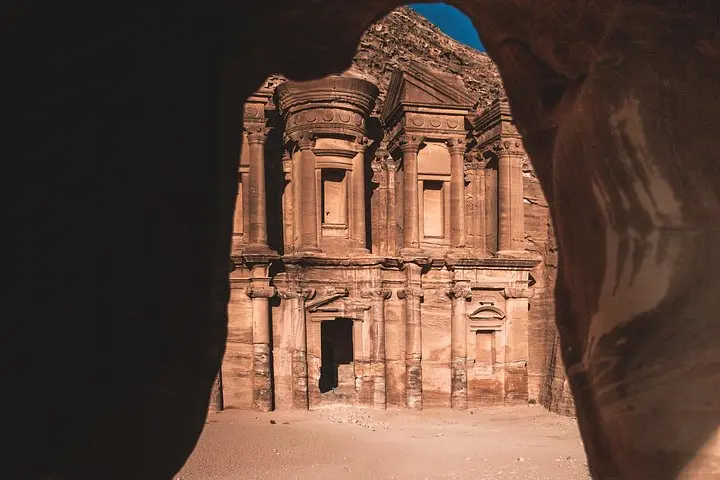
Petra was the Nabataeans’ crossroads, a trading capital where Hellenistic form met local craft. The Monastery (Ad-Deir) and the Royal Tombs are more than photo ops; they are working pages of regional history, reused by Romans and Byzantines and later sheltered by Bedouin families whose oral memory fills gaps in the archaeology.
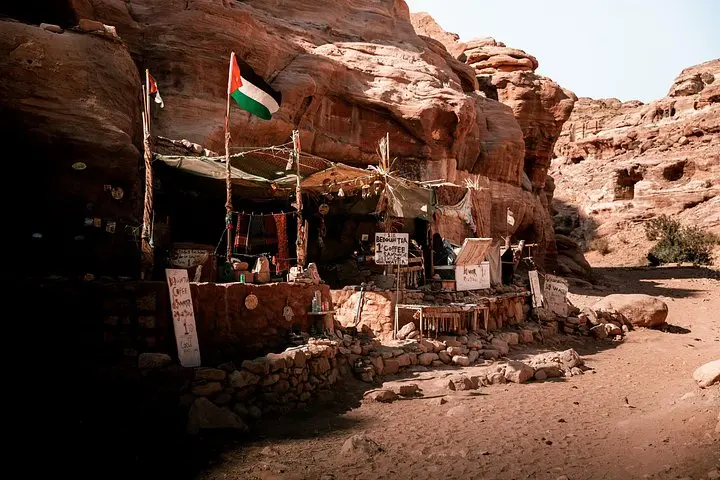
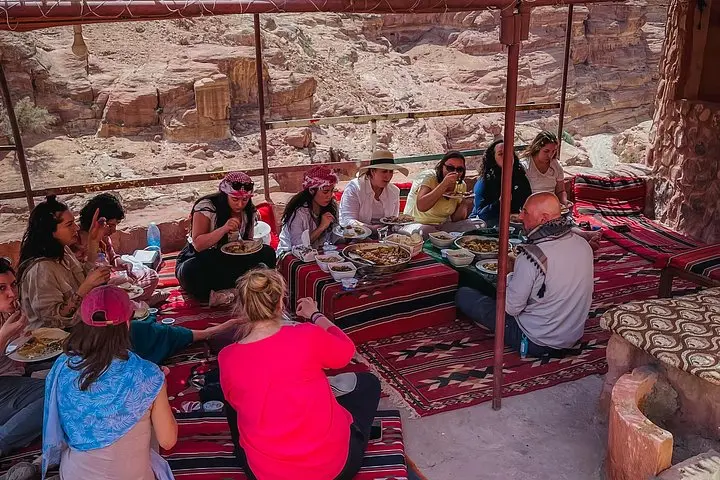
Geology shapes the experience: banded sandstone erodes into urns, columns, and layered hues that change with the sun. Culture here is living — Bedouin guides share tea in a cave home and point out inscriptions, water channels, and sites where local life still adapts to ancient architecture.
For practical plans, expect 3–6 hours of mostly walking with uneven steps and short climbs on trails like Wadi Farasa; mules are sometimes available for steep sections. Bring 2–3 liters of water, sun protection, and sturdy shoes; wear modest clothing out of respect for local norms. Start early to catch cooler temperatures and the best light for photographs, and buy your Petra entry ticket at the Visitor Center ahead of time when possible. A private guide shortens lines, customizes stops like the Byzantine Church, and directs you off the busiest tracks, making the ruins both accessible and responsibly appreciated.
No, Petra site admission is not included; purchase tickets at the Visitor Center or online before arrival as rates vary by season and duration.
Mules and horses are often available for short sections, especially to the Monastery; discuss options with your guide and confirm animal welfare practices.
Yes — the tour is private and can be paced for families or older travelers, but expect uneven walking and some stairs that may be challenging for limited mobility.
Expect several kilometers over 3–6 hours with intermittent climbs on trails like Wadi Farasa; it’s moderate fitness rather than technical climbing.
Coulture Trips operates guided outdoor trips and adventures with an emphasis on safety, stewardship, and memorable experiences.
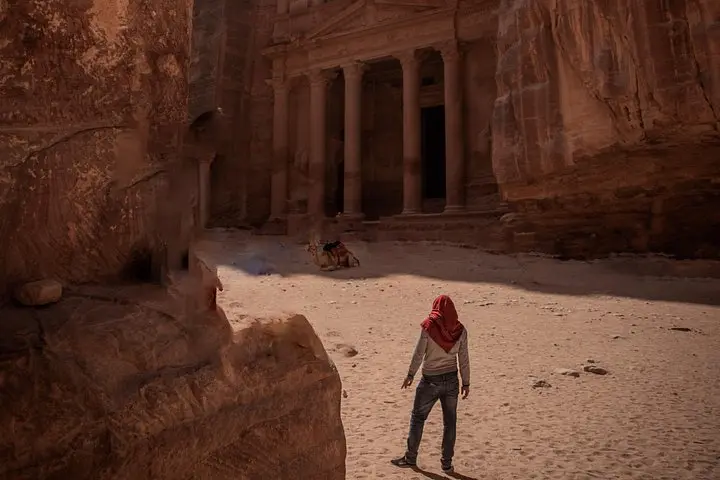
The Siq narrows and the rock breathes color as you step into Petra — walls of rose-red sandstone pressing in, light slicing across carved façades. Sounds sharpen: sandals on stone, a guide’s low commentary, and wind threading the canyon like a patient storyteller. This private six-hour tour moves at a deliberate pace, letting the city reveal itself from the treasury to the high ridges above the valley.
The Siq narrows and the rock breathes color as you step into Petra — walls of rose-red sandstone pressing in, light slicing across carved façades. Sounds sharpen: sandals on stone, a guide’s low commentary, and wind threading the canyon like a patient storyteller. This private six-hour tour moves at a deliberate pace, letting the city reveal itself from the treasury to the high ridges above the valley.
Petra was the Nabataeans’ crossroads, a trading capital where Hellenistic form met local craft. The Monastery (Ad-Deir) and the Royal Tombs are more than photo ops; they are working pages of regional history, reused by Romans and Byzantines and later sheltered by Bedouin families whose oral memory fills gaps in the archaeology.
Geology shapes the experience: banded sandstone erodes into urns, columns, and layered hues that change with the sun. Culture here is living — Bedouin guides share tea in a cave home and point out inscriptions, water channels, and sites where local life still adapts to ancient architecture.
For practical plans, expect 3–6 hours of mostly walking with uneven steps and short climbs on trails like Wadi Farasa; mules are sometimes available for steep sections. Bring 2–3 liters of water, sun protection, and sturdy shoes; wear modest clothing out of respect for local norms. Start early to catch cooler temperatures and the best light for photographs, and buy your Petra entry ticket at the Visitor Center ahead of time when possible. A private guide shortens lines, customizes stops like the Byzantine Church, and directs you off the busiest tracks, making the ruins both accessible and responsibly appreciated.