THE ADVENTURE COLLECTIVE® · Independent discovery and booking for outdoor travel

Discover Zanzibar over seven private days: wander Stone Town’s historic lanes, taste spices on a plantation walk, meet giant tortoises on Prison Island, and snorkel clear reefs by Nungwi. This itinerary balances cultural history with coastal wildlife and time on pristine beaches.
Discover Zanzibar over seven private days: wander Stone Town’s historic lanes, taste spices on a plantation walk, meet giant tortoises on Prison Island, and snorkel clear reefs by Nungwi. This itinerary balances cultural history with coastal wildlife and time on pristine beaches.
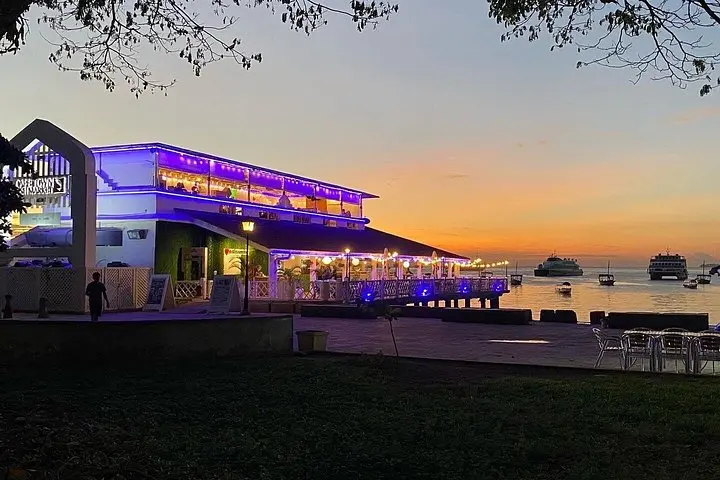
You step off the ferry into Stone Town’s honey-colored alleys; the air tastes of cloves and sea salt. A local guide unfolds the island’s story as minarets and carved doors press close, and the ocean beyond keeps time—tides pulling at coral edges, currents coaxing dolphin pods into the open.
Verified experiences and guided adventures in the surrounding area.
Operated by Discover Africa · Stone Town, Zanzibar
You step off the ferry into Stone Town’s honey-colored alleys; the air tastes of cloves and sea salt. A local guide unfolds the island’s story as minarets and carved doors press close, and the ocean beyond keeps time—tides pulling at coral edges, currents coaxing dolphin pods into the open.
Unguja (Zanzibar) was a crossroads of Swahili trade, Omani sultanates and, painfully, the 19th-century slave trade; Stone Town’s House of Wonders and Anglican Cathedral mark those layered histories. Geologically the island is a raised coral platform—white sand beaches form where ocean abrasion and coral skeletons break down, while inland soils feed the spice gardens that have defined Zanzibar’s economy for centuries.
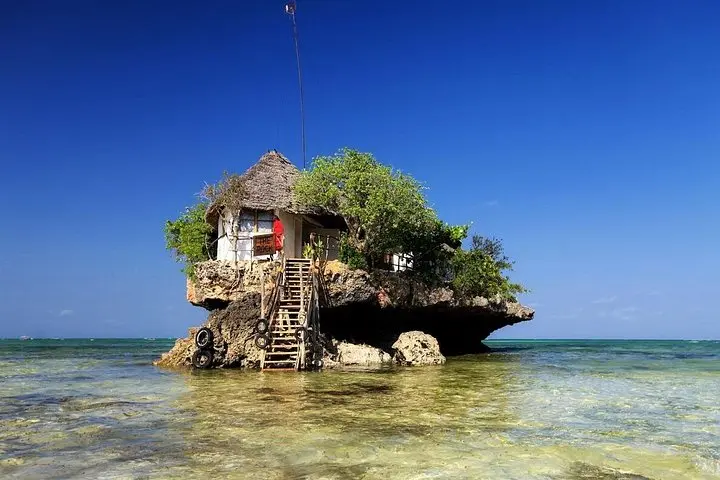
Over seven days you’ll alternate walking tours, a spice-plantation stroll, a boat hop to Prison Island to meet Aldabra tortoises, and full-day beach time at Nungwi with clear, reef-rich water for snorkeling. Dolphin excursions off the northeast are best in calm seas; Mnemba and the tidal sandbanks show why this coast is prized for shallow-water marine life.
Practical guidance: schedule Stone Town walks in early morning to avoid heat and crowds; carry reef-safe sunscreen and a reusable water bottle. Boat transfers are short but can be rough—take motion-sickness meds if you’re prone. Respect local culture: modest dress in town and during village visits, lighter layers at the beach. Book guides and inter-island boats in advance during high season (June–October). With simple preparation, this private week balances history, coastal geology, wildlife viewing and time to slow down on sand that seems to hold its own rhythm.
Most nationalities require a Tanzanian entry visa—check current embassy rules and obtain a visa on arrival or online before travel.
The itinerary indicates infants must sit on laps; many activities are family-friendly but confirm suitability for young children with the operator.
Tanzanian shillings are standard; major hotels accept cards, but markets and small vendors often require cash—carry small bills.
Some meals are specified in the itinerary (seafood lunch on the sandbank, certain transfers include meals); check your booking details for which days are covered.
Discover Africa operates guided outdoor trips and adventures with an emphasis on safety, stewardship, and memorable experiences.


You step off the ferry into Stone Town’s honey-colored alleys; the air tastes of cloves and sea salt. A local guide unfolds the island’s story as minarets and carved doors press close, and the ocean beyond keeps time—tides pulling at coral edges, currents coaxing dolphin pods into the open.
You step off the ferry into Stone Town’s honey-colored alleys; the air tastes of cloves and sea salt. A local guide unfolds the island’s story as minarets and carved doors press close, and the ocean beyond keeps time—tides pulling at coral edges, currents coaxing dolphin pods into the open.
Unguja (Zanzibar) was a crossroads of Swahili trade, Omani sultanates and, painfully, the 19th-century slave trade; Stone Town’s House of Wonders and Anglican Cathedral mark those layered histories. Geologically the island is a raised coral platform—white sand beaches form where ocean abrasion and coral skeletons break down, while inland soils feed the spice gardens that have defined Zanzibar’s economy for centuries.
Over seven days you’ll alternate walking tours, a spice-plantation stroll, a boat hop to Prison Island to meet Aldabra tortoises, and full-day beach time at Nungwi with clear, reef-rich water for snorkeling. Dolphin excursions off the northeast are best in calm seas; Mnemba and the tidal sandbanks show why this coast is prized for shallow-water marine life.
Practical guidance: schedule Stone Town walks in early morning to avoid heat and crowds; carry reef-safe sunscreen and a reusable water bottle. Boat transfers are short but can be rough—take motion-sickness meds if you’re prone. Respect local culture: modest dress in town and during village visits, lighter layers at the beach. Book guides and inter-island boats in advance during high season (June–October). With simple preparation, this private week balances history, coastal geology, wildlife viewing and time to slow down on sand that seems to hold its own rhythm.