THE ADVENTURE COLLECTIVE® · Independent discovery and booking for outdoor travel

A private, eight-day sweep through Jordan and Jerusalem that pairs cultural depth and desert drama. From floating in the Dead Sea to walking Petra’s rose-red canyons, this itinerary balances paced travel with meaningful time at each historic site.
A private, eight-day sweep through Jordan and Jerusalem that pairs cultural depth and desert drama. From floating in the Dead Sea to walking Petra’s rose-red canyons, this itinerary balances paced travel with meaningful time at each historic site.
The van eases out of Queen Alia Airport as the light leans amber across Amman’s hills—rows of concrete roofs folded into the terrain like pages of an old atlas. Over eight days a private driver and guide will stitch those pages together: Roman columns in Jerash, mosaic eyes in Madaba, the buoyant silence of the Dead Sea, then the carved rose façades of Petra and the red cliffs and open skies of Wadi Rum. The itinerary moves at a measured pace—three to four hours of driving between major stops—so each destination arrives with time to breathe.
Verified experiences and guided adventures in the surrounding area.
Operated by Elegant Limo Jordan · Amman, Amman Governorate
The van eases out of Queen Alia Airport as the light leans amber across Amman’s hills—rows of concrete roofs folded into the terrain like pages of an old atlas. Over eight days a private driver and guide will stitch those pages together: Roman columns in Jerash, mosaic eyes in Madaba, the buoyant silence of the Dead Sea, then the carved rose façades of Petra and the red cliffs and open skies of Wadi Rum. The itinerary moves at a measured pace—three to four hours of driving between major stops—so each destination arrives with time to breathe.
History is a walking companion here. Jerash keeps the geometry of Rome with colonnaded streets and a forum that still echoes applause. Petra is Nabatean engineering carved into sandstone—siqs, tombs and the famed Treasury that hold stories in their layers. Mount Nebo and Madaba sit atop Byzantine traces, while Bethlehem and Jerusalem overlay millennia of pilgrimage and theology: churches, mosques and walls that have witnessed centuries of devotion and conflict.
Geology and weather shape the experience. The Dead Sea, 430 meters below sea level, magically buoyant and mineral-rich, contrasts with Petra’s jagged plateaus sitting around 800–1,350 meters elevation and Wadi Rum’s wind-sculpted sandstone that changes color through the day. The desert insists on simplicity: sun, sand and silence that resets the senses.
Cultural notes matter on this route. Crossing the King Hussein/Allenby bridge to Jerusalem requires valid travel documents and time at checkpoints; local etiquette in holy sites is conservative—dress modestly and follow on-site guidelines. Local guides and the Bedouin hosts of Wadi Rum provide context: stories, coffee, and routes off the tourist track.
Practical edge: wear sturdy walking shoes for Petra’s uneven stone, carry 2–3 liters of water daily, and keep a lightweight layer for cooler desert nights. Expect mostly paved roads with a 4x4 needed only for private jeep options in Wadi Rum. Consider the Jordan Pass to bundle entry fees and save time, and plan border logistics carefully if including Jerusalem/Bethlehem—bring passports, allow extra time for crossings, and confirm which crossings are open on your travel dates.
This private tour balances rest (two full Dead Sea leisure days) with exploration—early starts for cooler Petra visits, sunset in Wadi Rum, and guided walks in Jerusalem. For travelers who want a curated, comfortable sweep across ancient landscapes and living cultures, the route delivers both spectacle and practical rhythms: see, pause, understand, and move on prepared.
Visa requirements depend on nationality; many visitors can obtain a visa on arrival in Jordan or use the Jordan Pass to cover it. Crossing into Jerusalem requires valid travel documents—check in advance for any visa needs for Israel/Palestine and which border crossing you’ll use.
Yes for most visitors: the Jordan Pass bundles entry to popular sites (including Petra) and can save money and queue time if purchased before arrival.
Petra involves several kilometers of walking on uneven stone, with optional climbs; a basic visit can be moderately strenuous—allow 3–6 hours depending on how much you explore.
Much of the tour uses vehicles and hotels with accessible options, but some sites (Petra, Wadi Rum terrain, Old City streets) include uneven surfaces; discuss mobility needs with the operator to adjust plans.
Spring and fall offer the most comfortable temperatures; early mornings in summer avoid peak heat. Winter brings cooler temperatures and occasional rain but fewer crowds.
Dress modestly in religious and conservative areas, ask permission before photographing people, and respect site rules—especially in holy places and archaeological areas.
Elegant Limo Jordan operates guided outdoor trips and adventures with an emphasis on safety, stewardship, and memorable experiences.


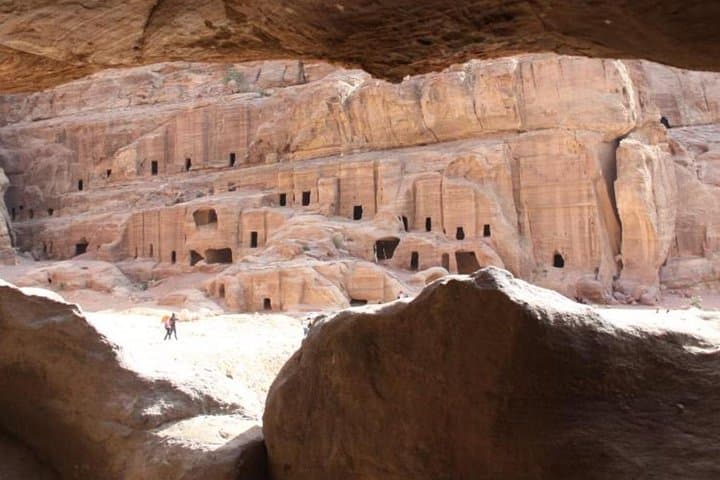
The van eases out of Queen Alia Airport as the light leans amber across Amman’s hills—rows of concrete roofs folded into the terrain like pages of an old atlas. Over eight days a private driver and guide will stitch those pages together: Roman columns in Jerash, mosaic eyes in Madaba, the buoyant silence of the Dead Sea, then the carved rose façades of Petra and the red cliffs and open skies of Wadi Rum. The itinerary moves at a measured pace—three to four hours of driving between major stops—so each destination arrives with time to breathe.
The van eases out of Queen Alia Airport as the light leans amber across Amman’s hills—rows of concrete roofs folded into the terrain like pages of an old atlas. Over eight days a private driver and guide will stitch those pages together: Roman columns in Jerash, mosaic eyes in Madaba, the buoyant silence of the Dead Sea, then the carved rose façades of Petra and the red cliffs and open skies of Wadi Rum. The itinerary moves at a measured pace—three to four hours of driving between major stops—so each destination arrives with time to breathe.
History is a walking companion here. Jerash keeps the geometry of Rome with colonnaded streets and a forum that still echoes applause. Petra is Nabatean engineering carved into sandstone—siqs, tombs and the famed Treasury that hold stories in their layers. Mount Nebo and Madaba sit atop Byzantine traces, while Bethlehem and Jerusalem overlay millennia of pilgrimage and theology: churches, mosques and walls that have witnessed centuries of devotion and conflict.
Geology and weather shape the experience. The Dead Sea, 430 meters below sea level, magically buoyant and mineral-rich, contrasts with Petra’s jagged plateaus sitting around 800–1,350 meters elevation and Wadi Rum’s wind-sculpted sandstone that changes color through the day. The desert insists on simplicity: sun, sand and silence that resets the senses.
Cultural notes matter on this route. Crossing the King Hussein/Allenby bridge to Jerusalem requires valid travel documents and time at checkpoints; local etiquette in holy sites is conservative—dress modestly and follow on-site guidelines. Local guides and the Bedouin hosts of Wadi Rum provide context: stories, coffee, and routes off the tourist track.
Practical edge: wear sturdy walking shoes for Petra’s uneven stone, carry 2–3 liters of water daily, and keep a lightweight layer for cooler desert nights. Expect mostly paved roads with a 4x4 needed only for private jeep options in Wadi Rum. Consider the Jordan Pass to bundle entry fees and save time, and plan border logistics carefully if including Jerusalem/Bethlehem—bring passports, allow extra time for crossings, and confirm which crossings are open on your travel dates.
This private tour balances rest (two full Dead Sea leisure days) with exploration—early starts for cooler Petra visits, sunset in Wadi Rum, and guided walks in Jerusalem. For travelers who want a curated, comfortable sweep across ancient landscapes and living cultures, the route delivers both spectacle and practical rhythms: see, pause, understand, and move on prepared.