THE ADVENTURE COLLECTIVE® · Independent discovery and booking for outdoor travel

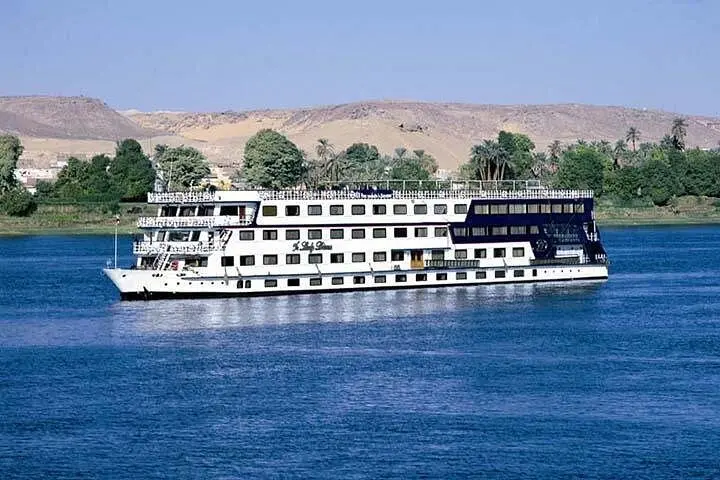
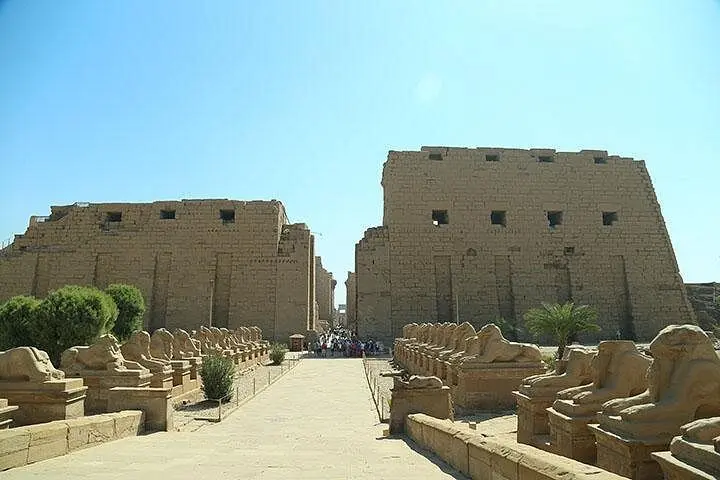
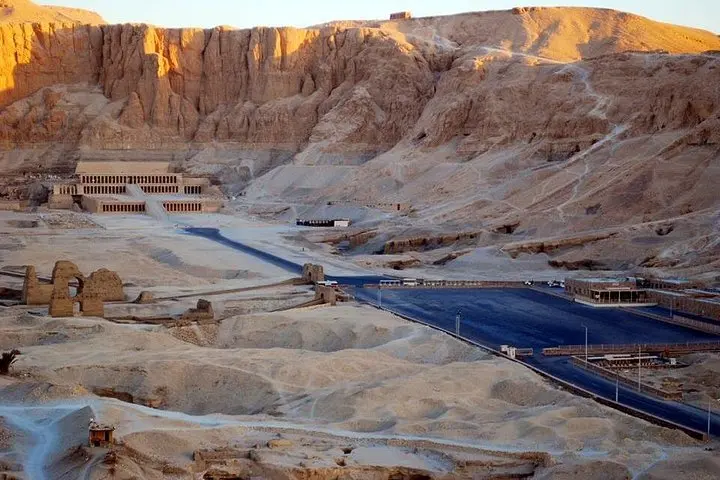
Cruise seven nights between Luxor and Aswan aboard a private 5-star vessel, visiting the Valley of the Kings, Karnak, Edfu, Kom Ombo and Aswan’s monuments. This itinerary blends guided archaeology with river-side life and comfortable onboard lodging.
Cruise seven nights between Luxor and Aswan aboard a private 5-star vessel, visiting the Valley of the Kings, Karnak, Edfu, Kom Ombo and Aswan’s monuments. This itinerary blends guided archaeology with river-side life and comfortable onboard lodging.
You step off the transfer van into a slow, wide river morning where the Nile has played out its course for millennia. The cruise ship lees against a wooden jetty, laundry flapping from a felucca on the far bank, and the calls of market vendors drift like a current. Over seven nights you move downstream through living history: cliffs that hold pharaonic tombs, temple facades sharpening against desert light, and riverine villages that watch the same sunrise each day.
Verified experiences and guided adventures in the surrounding area.
Operated by Visit Egypt Now · Luxor, Luxor Governorate
You step off the transfer van into a slow, wide river morning where the Nile has played out its course for millennia. The cruise ship lees against a wooden jetty, laundry flapping from a felucca on the far bank, and the calls of market vendors drift like a current. Over seven nights you move downstream through living history: cliffs that hold pharaonic tombs, temple facades sharpening against desert light, and riverine villages that watch the same sunrise each day.
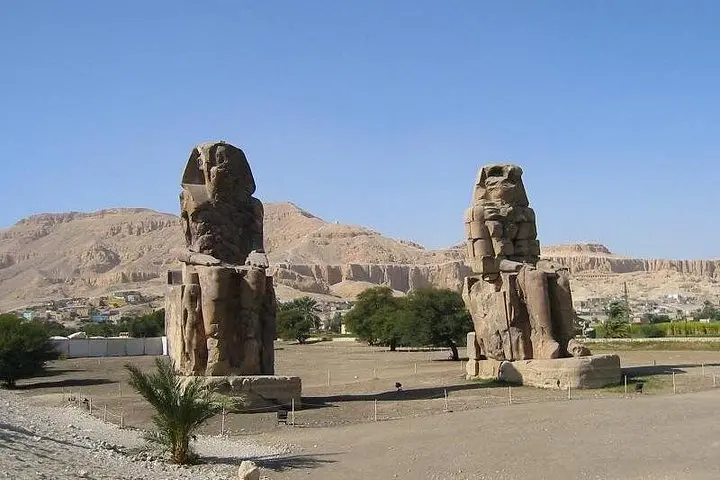
This route traverses Upper Egypt between Luxor and Aswan, where New Kingdom pharaohs carved the Valley of the Kings into limestone cliffs and later rulers raised temples at Karnak, Edfu and Kom Ombo. Geologically the Nile here has cut a broad floodplain into soft sediment and harder Nubian sandstone, exposing ancient stonework and quarries like the Unfinished Obelisk in Aswan. Culturally, the cruise rhythm mirrors local life — markets, date palms, and fishermen casting nets at dusk — and the Egyptologist guide ties site details to everyday traditions.
Practical guidance: expect short daily shore excursions and cobbled approaches at archaeological sites; comfortable walking shoes with good soles are essential. Temperatures vary by season — intense sun in summer, mild in winter — so layer. The itinerary includes private transfers, entrance fees, and three meals a day on board, with options like Abu Simbel available at extra cost. Carry a photocopy of your passport, hydrate often, and allow time for slow photography at major temples: the light is part of the attraction.
Abu Simbel is not included in the standard cruise price; it is offered as an optional tour from Aswan at additional cost and requires an early start.
Meals (breakfast, lunch, dinner) and entrance fees listed in the itinerary are included; optional excursions and personal expenses are extra.
A valid passport is required; visa requirements depend on nationality — check Egypt’s visa policy before travel and carry a passport copy onboard.
Daily short to moderate walks at archaeological sites on uneven surfaces and steps; no technical hiking is required but basic mobility is needed.
Visit Egypt Now operates guided outdoor trips and adventures with an emphasis on safety, stewardship, and memorable experiences.
You step off the transfer van into a slow, wide river morning where the Nile has played out its course for millennia. The cruise ship lees against a wooden jetty, laundry flapping from a felucca on the far bank, and the calls of market vendors drift like a current. Over seven nights you move downstream through living history: cliffs that hold pharaonic tombs, temple facades sharpening against desert light, and riverine villages that watch the same sunrise each day.
You step off the transfer van into a slow, wide river morning where the Nile has played out its course for millennia. The cruise ship lees against a wooden jetty, laundry flapping from a felucca on the far bank, and the calls of market vendors drift like a current. Over seven nights you move downstream through living history: cliffs that hold pharaonic tombs, temple facades sharpening against desert light, and riverine villages that watch the same sunrise each day.
This route traverses Upper Egypt between Luxor and Aswan, where New Kingdom pharaohs carved the Valley of the Kings into limestone cliffs and later rulers raised temples at Karnak, Edfu and Kom Ombo. Geologically the Nile here has cut a broad floodplain into soft sediment and harder Nubian sandstone, exposing ancient stonework and quarries like the Unfinished Obelisk in Aswan. Culturally, the cruise rhythm mirrors local life — markets, date palms, and fishermen casting nets at dusk — and the Egyptologist guide ties site details to everyday traditions.
Practical guidance: expect short daily shore excursions and cobbled approaches at archaeological sites; comfortable walking shoes with good soles are essential. Temperatures vary by season — intense sun in summer, mild in winter — so layer. The itinerary includes private transfers, entrance fees, and three meals a day on board, with options like Abu Simbel available at extra cost. Carry a photocopy of your passport, hydrate often, and allow time for slow photography at major temples: the light is part of the attraction.