THE ADVENTURE COLLECTIVE® · Independent discovery and booking for outdoor travel

A private, nine-day circuit through Jordan that pairs iconic archaeology with dramatic desert and coastal landscapes. From Petra’s sculpted facades to Wadi Rum’s ochre deserts and the buoyant waters of the Dead Sea, this itinerary is customizable for pace and interests.
A private, nine-day circuit through Jordan that pairs iconic archaeology with dramatic desert and coastal landscapes. From Petra’s sculpted facades to Wadi Rum’s ochre deserts and the buoyant waters of the Dead Sea, this itinerary is customizable for pace and interests.
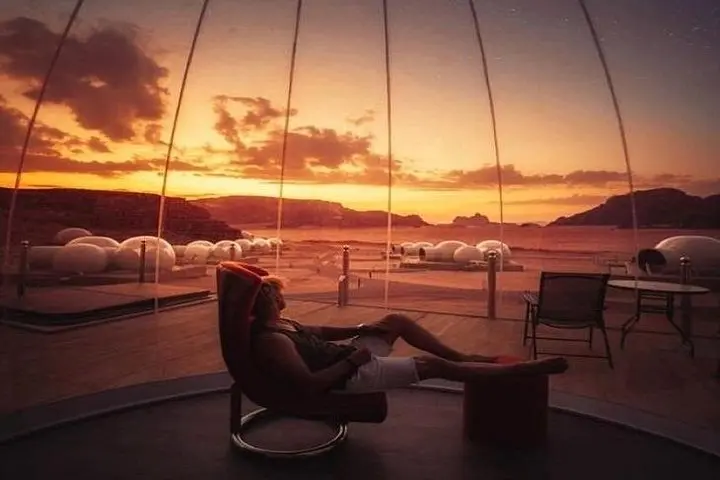
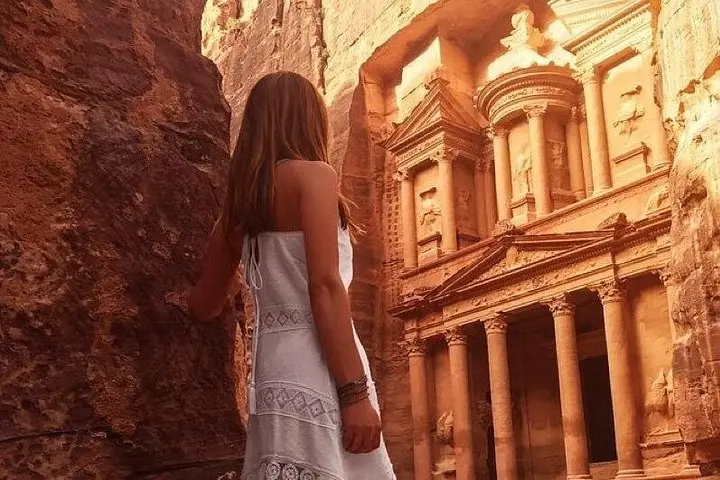
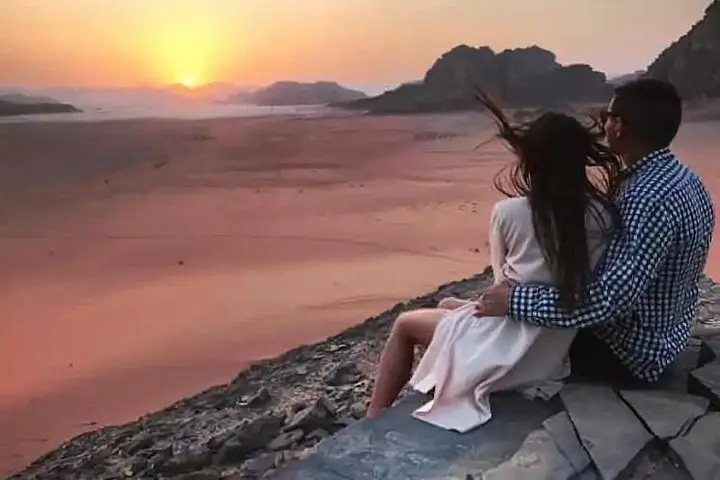
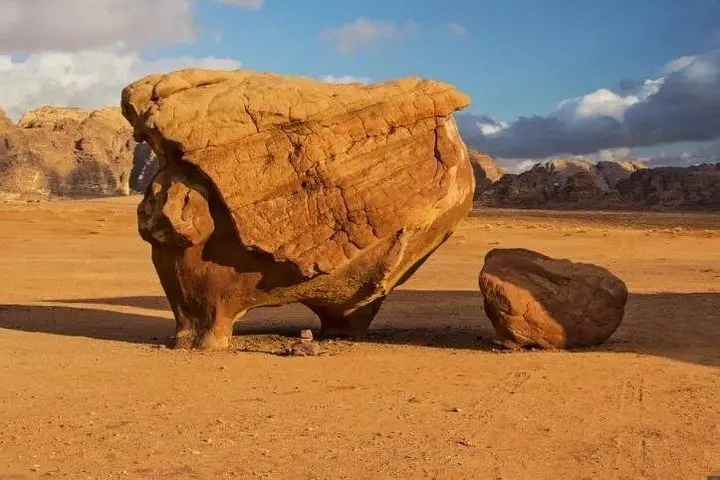
The first time you walk through the Siq and the gorge gives way to the Treasury, the carved sandstone of Petra stops being background and becomes a presence — the rock seems to breathe light. This private, nine-day loop through Jordan stages moments like that: sun-bleached façades at Petra, wind-sculpted towers in Wadi Rum, the buoyant stillness of the Dead Sea, and the sharp, blue relief of Aqaba’s reef. The trip moves with purpose, alternating cultural immersion with time to absorb each landscape.
Verified experiences and guided adventures in the surrounding area.
Operated by VIP Jordan Limo · Amman, Amman Governorate
The first time you walk through the Siq and the gorge gives way to the Treasury, the carved sandstone of Petra stops being background and becomes a presence — the rock seems to breathe light. This private, nine-day loop through Jordan stages moments like that: sun-bleached façades at Petra, wind-sculpted towers in Wadi Rum, the buoyant stillness of the Dead Sea, and the sharp, blue relief of Aqaba’s reef. The trip moves with purpose, alternating cultural immersion with time to absorb each landscape.
Jordan is a crossroads of civilizations. The Nabateans carved Petra from Jurassic sandstone; later Romans paved Jerash with colonnades and theaters that still reverberate with footsteps. Mount Nebo offers a viewpoint long revered in Abrahamic traditions, and Madaba preserves Byzantine mosaics that map the world as it was known in the 6th century. Geologically, the country is a study in contrasts — brittle sandstone and granite sculpted by aeolian forces in Wadi Rum, sink-lake chemistry at the Dead Sea with salinity that keeps you afloat, and coral-built reefs framing Aqaba.
Culturally the itinerary privileges local guides and private transfers, which both accelerate access to sites and create space for meaningful exchange — a conversation with a Bedouin in Wadi Rum, a mosaic expert in Madaba, or a driver who knows the quiet road for sunset photos. Sustainability matters here: reefs are fragile and the desert recovers slowly when trampled; the best itineraries emphasize low-impact activities and support local operators.
Practically, expect a mix of driving and walking. Amman is the logistical hub; Queen Alia International Airport is roughly a 30-minute transfer into the city. Amman–Petra is about a 3–4 hour drive (230–270 km depending on stops). Petra’s main route through the Siq is roughly 1.2 km; exploring the high places and Monastery adds steep sections and stone steps. Wadi Rum’s jeep safaris cross open sand flats and require little fitness, but climbs to viewpoints are uneven and loose. Plan for early starts in summer to avoid heat, and for more relaxed daytime pacing at the Dead Sea and Aqaba.
Preparation is straightforward: secure the Jordan Pass before arrival, bring layered clothing for desert nights, sun protection, and comfortable walking shoes with good traction for Petra’s steps. Hydration and respectful dress (especially at religious sites) will make the trip smoother. With a private guide and tailored schedule, this nine-day route balances iconic sights with quiet corners — a practical, high-impact way to see Jordan without the rush.
Visa requirements vary by nationality; many visitors are eligible for stamps on arrival, but the Jordan Pass — recommended for tourists — covers visa fee and entry to many sites if purchased before travel.
Expect several kilometers of walking on stone paths and steps; the main Siq is about 1.2 km, with additional climbs to viewpoints and the Monastery if you choose them.
The Dead Sea is safe for floating but is not suitable for swimming; avoid shaving before visiting, rinse thoroughly after, and avoid splashing water in your eyes due to high salinity.
Those activities are optional and available at additional cost; they can be added when customizing your private itinerary.
Modest, respectful attire is recommended—covering shoulders and knees at religious sites—and comfortable layers for changing temperatures in desert and coastal areas.
Yes — this is a private tour designed for flexibility; providers often offer wheelchair-accessible vehicles and can tailor site access where possible, but confirm specific accommodations when booking.
VIP Jordan Limo operates guided outdoor trips and adventures with an emphasis on safety, stewardship, and memorable experiences.
The first time you walk through the Siq and the gorge gives way to the Treasury, the carved sandstone of Petra stops being background and becomes a presence — the rock seems to breathe light. This private, nine-day loop through Jordan stages moments like that: sun-bleached façades at Petra, wind-sculpted towers in Wadi Rum, the buoyant stillness of the Dead Sea, and the sharp, blue relief of Aqaba’s reef. The trip moves with purpose, alternating cultural immersion with time to absorb each landscape.
The first time you walk through the Siq and the gorge gives way to the Treasury, the carved sandstone of Petra stops being background and becomes a presence — the rock seems to breathe light. This private, nine-day loop through Jordan stages moments like that: sun-bleached façades at Petra, wind-sculpted towers in Wadi Rum, the buoyant stillness of the Dead Sea, and the sharp, blue relief of Aqaba’s reef. The trip moves with purpose, alternating cultural immersion with time to absorb each landscape.
Jordan is a crossroads of civilizations. The Nabateans carved Petra from Jurassic sandstone; later Romans paved Jerash with colonnades and theaters that still reverberate with footsteps. Mount Nebo offers a viewpoint long revered in Abrahamic traditions, and Madaba preserves Byzantine mosaics that map the world as it was known in the 6th century. Geologically, the country is a study in contrasts — brittle sandstone and granite sculpted by aeolian forces in Wadi Rum, sink-lake chemistry at the Dead Sea with salinity that keeps you afloat, and coral-built reefs framing Aqaba.
Culturally the itinerary privileges local guides and private transfers, which both accelerate access to sites and create space for meaningful exchange — a conversation with a Bedouin in Wadi Rum, a mosaic expert in Madaba, or a driver who knows the quiet road for sunset photos. Sustainability matters here: reefs are fragile and the desert recovers slowly when trampled; the best itineraries emphasize low-impact activities and support local operators.
Practically, expect a mix of driving and walking. Amman is the logistical hub; Queen Alia International Airport is roughly a 30-minute transfer into the city. Amman–Petra is about a 3–4 hour drive (230–270 km depending on stops). Petra’s main route through the Siq is roughly 1.2 km; exploring the high places and Monastery adds steep sections and stone steps. Wadi Rum’s jeep safaris cross open sand flats and require little fitness, but climbs to viewpoints are uneven and loose. Plan for early starts in summer to avoid heat, and for more relaxed daytime pacing at the Dead Sea and Aqaba.
Preparation is straightforward: secure the Jordan Pass before arrival, bring layered clothing for desert nights, sun protection, and comfortable walking shoes with good traction for Petra’s steps. Hydration and respectful dress (especially at religious sites) will make the trip smoother. With a private guide and tailored schedule, this nine-day route balances iconic sights with quiet corners — a practical, high-impact way to see Jordan without the rush.