THE ADVENTURE COLLECTIVE® · Independent discovery and booking for outdoor travel

Beat the crowds with a private morning desert safari outside Abu Dhabi—four hours of licensed dune bashing, sandboarding, camel rides and a falcon interaction. Ideal for early risers who want adventure with cultural context and minimal heat.
Beat the crowds with a private morning desert safari outside Abu Dhabi—four hours of licensed dune bashing, sandboarding, camel rides and a falcon interaction. Ideal for early risers who want adventure with cultural context and minimal heat.
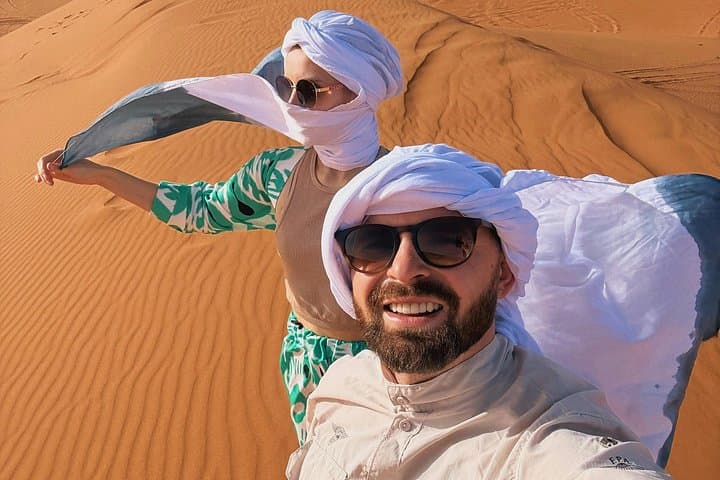
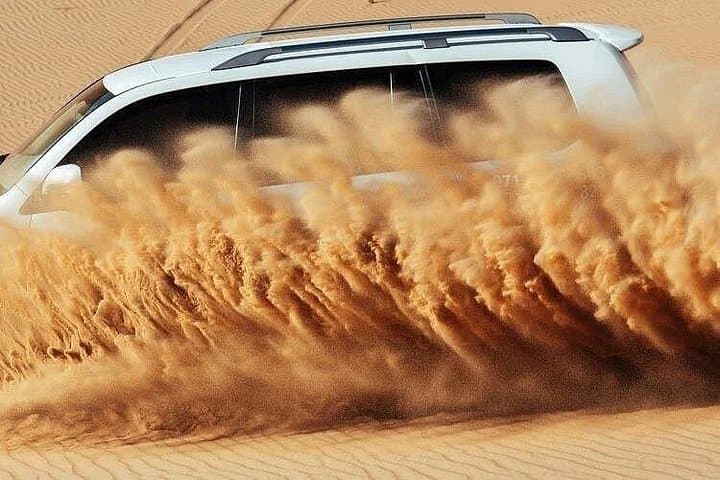
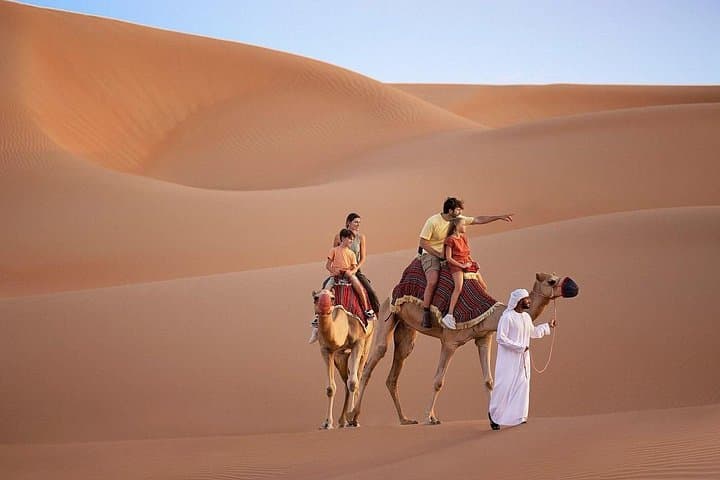
A low-angled sun paints the dunes gold as an SUV slips across the desert plane, tires carving temporary signatures into wind-sculpted sand. The morning is cool and quiet; the dunes seem to inhale and press forward, daring you to follow. On a private Abu Dhabi morning safari you’ll feel the scale of the landscape first—open sky, curved ridgelines, and the steady rhythm of camel hooves.
Verified experiences and guided adventures in the surrounding area.
Operated by Trip Habibi Tourism LLC · Abu Dhabi, Abu Dhabi Emirate
A low-angled sun paints the dunes gold as an SUV slips across the desert plane, tires carving temporary signatures into wind-sculpted sand. The morning is cool and quiet; the dunes seem to inhale and press forward, daring you to follow. On a private Abu Dhabi morning safari you’ll feel the scale of the landscape first—open sky, curved ridgelines, and the steady rhythm of camel hooves.
This stretch of the Arabian Desert is part of the wider Rub' al Khali region’s northern fringe, a geologic sweep of wind-blown sand shaped over millennia. Historically, these sands were home routes for Bedouin traders and a center for falconry—both traditions that appear in modern safaris as cultural touchpoints. Guides often demonstrate basic falcon handling and explain camel husbandry, linking present experiences to centuries-old local practices.
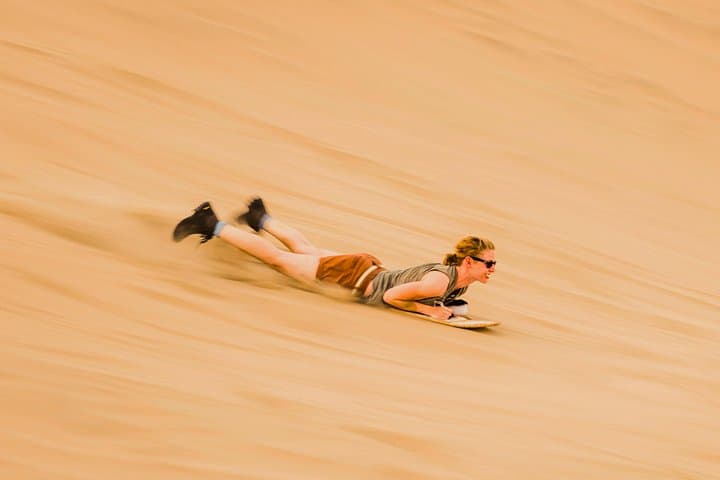
Expect four hours that mix adrenaline and ease: selective dune bashing by a licensed driver, hands-on sandboarding down groomed slopes, repeated short camel rides, and a falcon interaction. The terrain is soft sand with occasional firm tracks; elevation change is dune-to-dune rather than steep climbs. Mornings are chosen for cooler temperatures and better light for photos.
Practical guidance: hydrate before you go and carry at least 1–1.5 liters of water per person, wear closed-toe shoes to protect from hot sand and brief off-vehicle hikes, and secure loose items during dune bashing. Declare any mobility limitations in advance—dune bashing is rough and not recommended for certain medical conditions. A private tour gives flexibility on pace and photo stops, making it a hands-on way to read the desert on your own terms.
Yes—many operators allow children, but dune bashing can be bumpy; check age limits with the provider and secure children on camel rides.
Absolutely—guides provide basic instruction and gentler slopes for beginners; expect to stand or kneel depending on your comfort.
Yes, but secure devices—guides may recommend turning off straps and using pockets during high-speed sections for safety.
Not recommended for pregnant travelers or people with spinal, neck or serious heart conditions due to the rough nature of dune bashing.
Trip Habibi Tourism LLC operates guided outdoor trips and adventures with an emphasis on safety, stewardship, and memorable experiences.
A low-angled sun paints the dunes gold as an SUV slips across the desert plane, tires carving temporary signatures into wind-sculpted sand. The morning is cool and quiet; the dunes seem to inhale and press forward, daring you to follow. On a private Abu Dhabi morning safari you’ll feel the scale of the landscape first—open sky, curved ridgelines, and the steady rhythm of camel hooves.
A low-angled sun paints the dunes gold as an SUV slips across the desert plane, tires carving temporary signatures into wind-sculpted sand. The morning is cool and quiet; the dunes seem to inhale and press forward, daring you to follow. On a private Abu Dhabi morning safari you’ll feel the scale of the landscape first—open sky, curved ridgelines, and the steady rhythm of camel hooves.
This stretch of the Arabian Desert is part of the wider Rub' al Khali region’s northern fringe, a geologic sweep of wind-blown sand shaped over millennia. Historically, these sands were home routes for Bedouin traders and a center for falconry—both traditions that appear in modern safaris as cultural touchpoints. Guides often demonstrate basic falcon handling and explain camel husbandry, linking present experiences to centuries-old local practices.
Expect four hours that mix adrenaline and ease: selective dune bashing by a licensed driver, hands-on sandboarding down groomed slopes, repeated short camel rides, and a falcon interaction. The terrain is soft sand with occasional firm tracks; elevation change is dune-to-dune rather than steep climbs. Mornings are chosen for cooler temperatures and better light for photos.
Practical guidance: hydrate before you go and carry at least 1–1.5 liters of water per person, wear closed-toe shoes to protect from hot sand and brief off-vehicle hikes, and secure loose items during dune bashing. Declare any mobility limitations in advance—dune bashing is rough and not recommended for certain medical conditions. A private tour gives flexibility on pace and photo stops, making it a hands-on way to read the desert on your own terms.