THE ADVENTURE COLLECTIVE® · Independent discovery and booking for outdoor travel

Travel from Aswan to the colossal Abu Simbel temples, then explore Aswan’s lively souk on a private day trip. Expect a long day of desert driving, intimate temple access, and a taste of modern Nubian market life.
Travel from Aswan to the colossal Abu Simbel temples, then explore Aswan’s lively souk on a private day trip. Expect a long day of desert driving, intimate temple access, and a taste of modern Nubian market life.
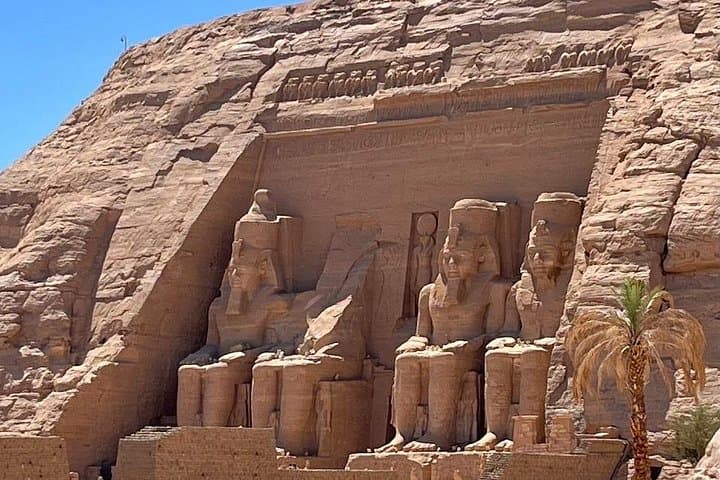
Dawn stretches low and golden across the desert as the road from Aswan unfurls toward Abu Simbel. For three hours the landscape alternates between flat salt-colored plains and low, wind-sculpted ridges until the cliff face breaks open and four towering figures of Ramses II flank the temple entrance—stone giants that hold the light like a story told in shadow and relief.
Verified experiences and guided adventures in the surrounding area.
Operated by Eyes of Egypt · Aswan, Aswan Governorate
Dawn stretches low and golden across the desert as the road from Aswan unfurls toward Abu Simbel. For three hours the landscape alternates between flat salt-colored plains and low, wind-sculpted ridges until the cliff face breaks open and four towering figures of Ramses II flank the temple entrance—stone giants that hold the light like a story told in shadow and relief.
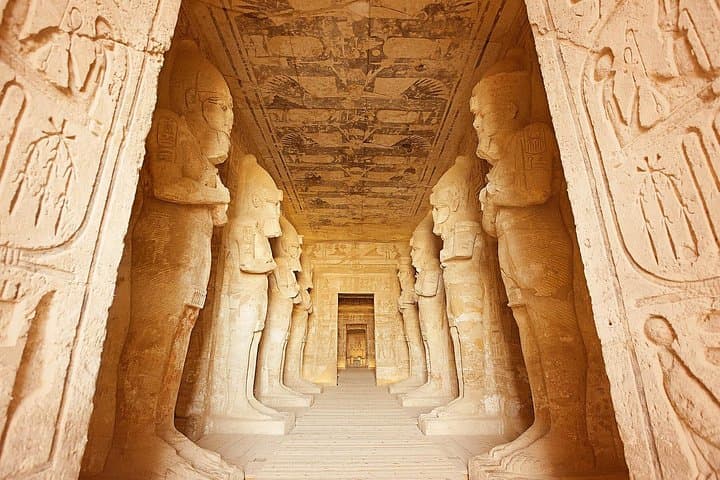
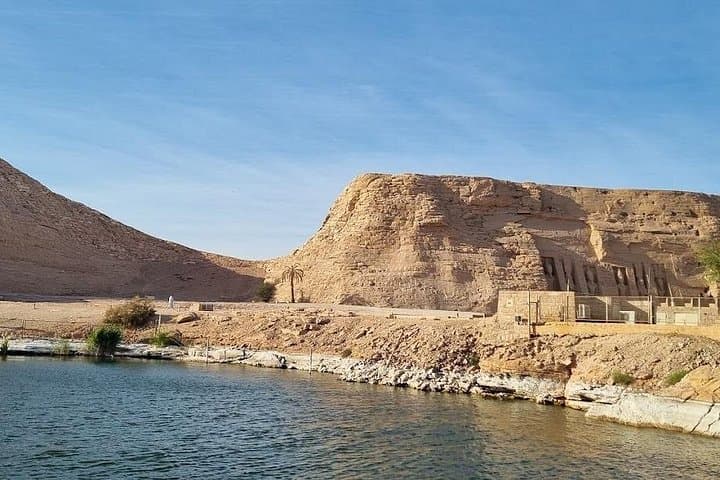
The twin temples at Abu Simbel date to the 13th century BC and celebrate Ramses II and his queen, Nefertari. In the 1960s the entire complex was moved piece-by-piece above the rising waters of Lake Nasser during the UNESCO-led relocation—an engineering rescue that preserved both the art and the alignment that still frames the sunrise inside the sanctuary.
Back in Aswan, the souk along Sharia as-Souq offers a sharp, modern contrast: piles of spices, Nubian textiles, and merchants who measure hospitality in conversation. The Nile hums nearby, pulling migratory birds through winter and offering a cooling presence in the heat.
Practicalities shape the day: expect a 9–10 hour round trip with roughly six hours of transit and time on site. Wear closed-toe shoes for uneven temple stone, bring 2–3 liters of water, sun protection, and small cash for the market. Morning departures avoid the midday oven of Upper Egypt and provide crisper light for photos.
This private option means flexible pacing—enough time to ask questions at the reliefs, wander the market lanes, and return to Aswan with both ancient carvings and the souk’s colors tucked into the day.
The road is about 280 km (175 miles) and typically takes roughly three hours each way, including brief rest stops.
Yes—this private tour includes all entrance tickets to the Abu Simbel temples as stated in the itinerary.
Many parts of the tour can accommodate wheelchairs, but some temple areas have steps and uneven surfaces; check specific accessibility needs with the operator before booking.
October through April offers milder temperatures; avoid peak summer months if you are sensitive to heat.
Eyes of Egypt operates guided outdoor trips and adventures with an emphasis on safety, stewardship, and memorable experiences.

Dawn stretches low and golden across the desert as the road from Aswan unfurls toward Abu Simbel. For three hours the landscape alternates between flat salt-colored plains and low, wind-sculpted ridges until the cliff face breaks open and four towering figures of Ramses II flank the temple entrance—stone giants that hold the light like a story told in shadow and relief.
Dawn stretches low and golden across the desert as the road from Aswan unfurls toward Abu Simbel. For three hours the landscape alternates between flat salt-colored plains and low, wind-sculpted ridges until the cliff face breaks open and four towering figures of Ramses II flank the temple entrance—stone giants that hold the light like a story told in shadow and relief.
The twin temples at Abu Simbel date to the 13th century BC and celebrate Ramses II and his queen, Nefertari. In the 1960s the entire complex was moved piece-by-piece above the rising waters of Lake Nasser during the UNESCO-led relocation—an engineering rescue that preserved both the art and the alignment that still frames the sunrise inside the sanctuary.
Back in Aswan, the souk along Sharia as-Souq offers a sharp, modern contrast: piles of spices, Nubian textiles, and merchants who measure hospitality in conversation. The Nile hums nearby, pulling migratory birds through winter and offering a cooling presence in the heat.
Practicalities shape the day: expect a 9–10 hour round trip with roughly six hours of transit and time on site. Wear closed-toe shoes for uneven temple stone, bring 2–3 liters of water, sun protection, and small cash for the market. Morning departures avoid the midday oven of Upper Egypt and provide crisper light for photos.
This private option means flexible pacing—enough time to ask questions at the reliefs, wander the market lanes, and return to Aswan with both ancient carvings and the souk’s colors tucked into the day.