THE ADVENTURE COLLECTIVE® · Independent discovery and booking for outdoor travel

A single-day private itinerary that pairs Abu Simbel’s colossal temples with the shaded pathways of Kitchener’s Island. Expect long drives, UNESCO-scale history, and a leafy Nile-side finish.
A single-day private itinerary that pairs Abu Simbel’s colossal temples with the shaded pathways of Kitchener’s Island. Expect long drives, UNESCO-scale history, and a leafy Nile-side finish.
Morning light hits the desert road like a slow drumbeat as your private vehicle pulls away from Aswan. The Nile slips into the rearview while red sandstone flats roll toward Abu Simbel; four colossal Ramses II figures keep silent watch over a landscape shaped by wind and time.
Verified experiences and guided adventures in the surrounding area.
Operated by Eyes of Egypt · Aswan, Aswan Governorate
Morning light hits the desert road like a slow drumbeat as your private vehicle pulls away from Aswan. The Nile slips into the rearview while red sandstone flats roll toward Abu Simbel; four colossal Ramses II figures keep silent watch over a landscape shaped by wind and time.
Carved in the 13th century BC and moved stone-by-stone in the 1960s to escape the rising waters of the Aswan High Dam, Abu Simbel is both engineering and ritual: façades of living rock, inner chambers aligned to sunlight, reliefs mapping campaigns and gods. Geologically, the temples rise from Nubian sandstone deposited millions of years ago, now exposed as vast, palm-scattered plains.
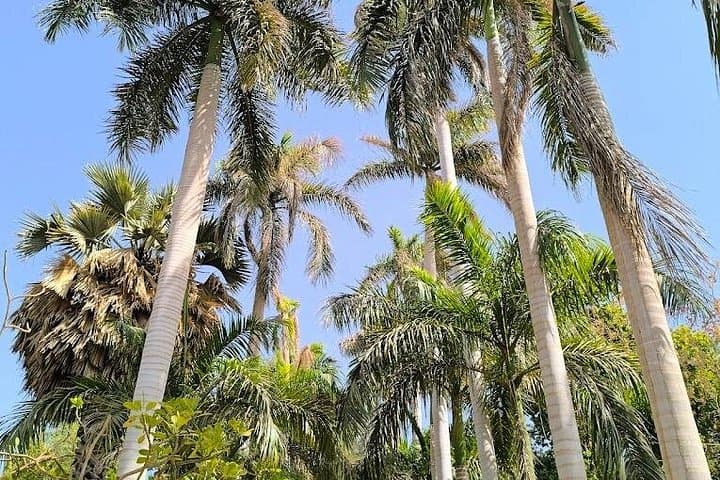
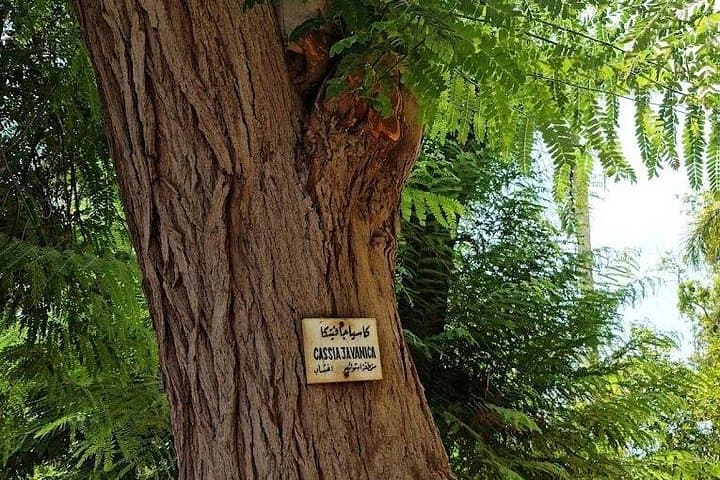
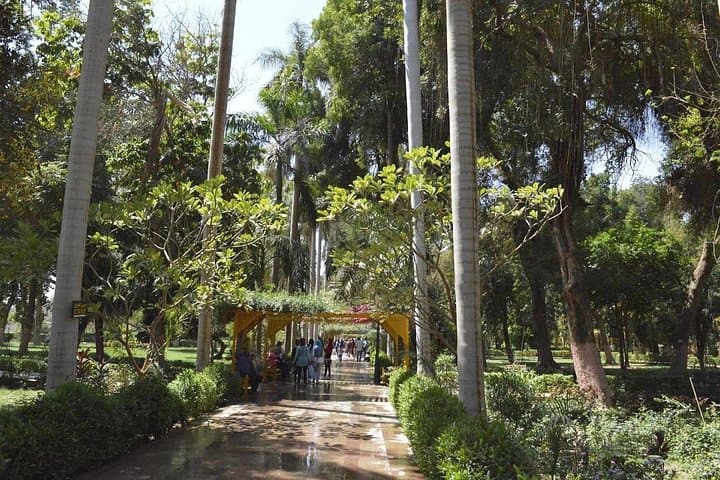
Return to the Nile and a different tempo on Kitchener’s Island (Aswan Botanical Gardens). Lord Kitchener’s early 20th-century plantings introduced palms, medicinals and tropical specimens that the Nile’s microclimate sustains. The island’s shaded alleys and a small lotus pond offer respite; birds ride river thermals and succulents hold the summer glare at bay.
Practical guide: expect a long day—about 10 hours total with roughly three hours’ driving each way (≈280 km/175 mi). Wear sturdy walking shoes for uneven temple thresholds, a wide-brim hat and high-SPF sunscreen for desert exposure, and carry at least 2 liters of water. Choose Premium if you want entrance fees and a knowledgeable guide included; the private format lets you linger for photos or skip sections.
Respect signage at sacred sites, allow time for security checks, and plan this trip for cooler months when possible to avoid extreme heat.
Entrance fees depend on the package: Premium Explorer typically includes all entrance fees; Essential and Expert may not—confirm at booking.
The road transfer is about 3 hours one-way, roughly 280 km (175 miles), including a short rest stop along the route.
Transportation options are wheelchair accessible, but temple interiors and some garden paths have steps or uneven surfaces—contact the operator to arrange assistance.
Photography is generally allowed in exterior and some interior areas, but follow onsite signage and guide instructions—tripods or flash may be restricted.
Eyes of Egypt operates guided outdoor trips and adventures with an emphasis on safety, stewardship, and memorable experiences.

Morning light hits the desert road like a slow drumbeat as your private vehicle pulls away from Aswan. The Nile slips into the rearview while red sandstone flats roll toward Abu Simbel; four colossal Ramses II figures keep silent watch over a landscape shaped by wind and time.
Morning light hits the desert road like a slow drumbeat as your private vehicle pulls away from Aswan. The Nile slips into the rearview while red sandstone flats roll toward Abu Simbel; four colossal Ramses II figures keep silent watch over a landscape shaped by wind and time.
Carved in the 13th century BC and moved stone-by-stone in the 1960s to escape the rising waters of the Aswan High Dam, Abu Simbel is both engineering and ritual: façades of living rock, inner chambers aligned to sunlight, reliefs mapping campaigns and gods. Geologically, the temples rise from Nubian sandstone deposited millions of years ago, now exposed as vast, palm-scattered plains.
Return to the Nile and a different tempo on Kitchener’s Island (Aswan Botanical Gardens). Lord Kitchener’s early 20th-century plantings introduced palms, medicinals and tropical specimens that the Nile’s microclimate sustains. The island’s shaded alleys and a small lotus pond offer respite; birds ride river thermals and succulents hold the summer glare at bay.
Practical guide: expect a long day—about 10 hours total with roughly three hours’ driving each way (≈280 km/175 mi). Wear sturdy walking shoes for uneven temple thresholds, a wide-brim hat and high-SPF sunscreen for desert exposure, and carry at least 2 liters of water. Choose Premium if you want entrance fees and a knowledgeable guide included; the private format lets you linger for photos or skip sections.
Respect signage at sacred sites, allow time for security checks, and plan this trip for cooler months when possible to avoid extreme heat.