THE ADVENTURE COLLECTIVE® · Independent discovery and booking for outdoor travel

Skip the long logistics and take a private day trip from Aswan to Abu Simbel. This straight-to-the-point tour pairs comfortable transport with an Egyptologist guide so you can experience the temples' scale, history, and relocated setting in a single day.
Skip the long logistics and take a private day trip from Aswan to Abu Simbel. This straight-to-the-point tour pairs comfortable transport with an Egyptologist guide so you can experience the temples' scale, history, and relocated setting in a single day.
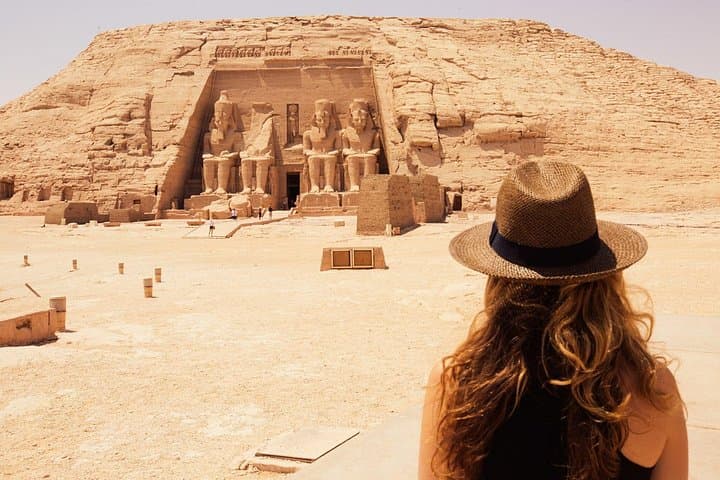
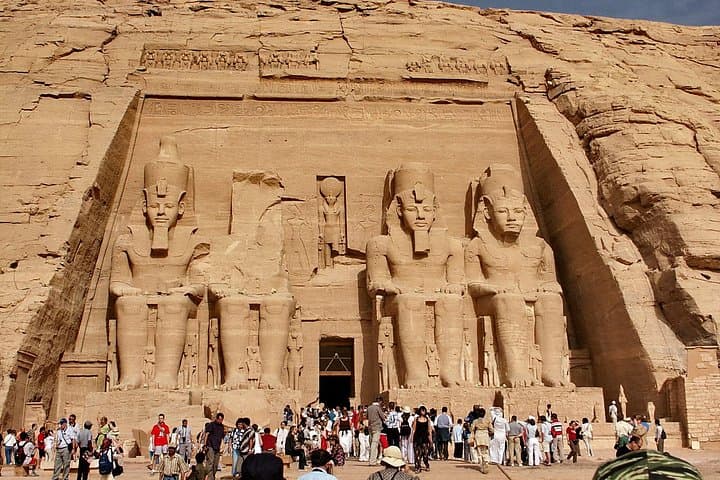
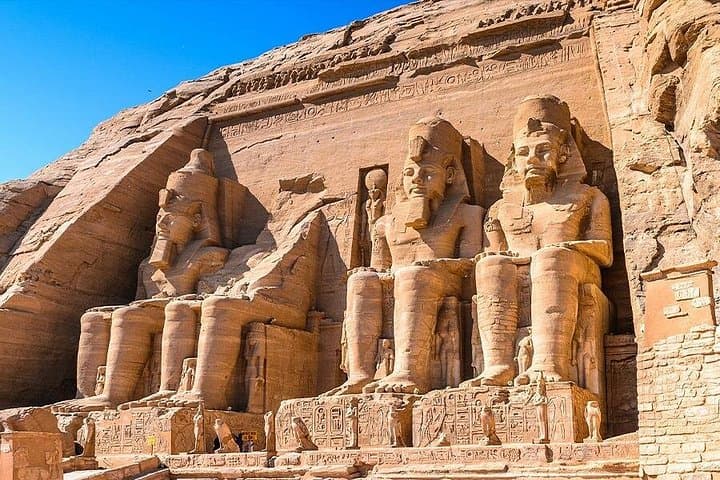
Morning light hits the desert like a dry, bright drum as your private car rolls away from Aswan and the Nile's hush. The road stretches flat and pale; wind carries dust and a distant promise of carved stone. After roughly three hours you arrive at Abu Simbel, where four colossal figures and their smaller companions loom over the lakeshore, their granite faces fixed against centuries of sun and sand.
Verified experiences and guided adventures in the surrounding area.
Operated by Egypt Private Trips · Abu Simbel, Aswan Governorate
Morning light hits the desert like a dry, bright drum as your private car rolls away from Aswan and the Nile's hush. The road stretches flat and pale; wind carries dust and a distant promise of carved stone. After roughly three hours you arrive at Abu Simbel, where four colossal figures and their smaller companions loom over the lakeshore, their granite faces fixed against centuries of sun and sand.
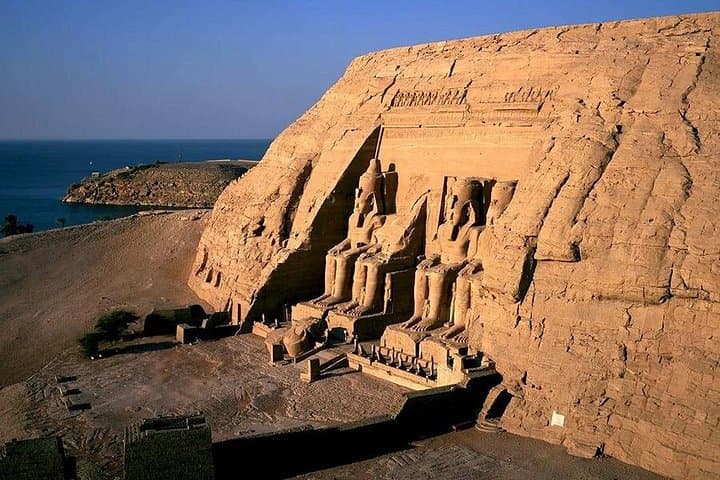
These twin temples—Ramses II's monumental façade and the intimate Temple of Nefertari—were chiselled into sandstone in the 13th century BCE and anchored to imperial ritual, astronomy and Nile life. In the 1960s the rising waters of Lake Nasser forced an international relocation effort: the temples were cut into blocks and rebuilt on higher ground, a rare modern chapter in their long history. Geology here is exposed rock and wind-polished desert; the lake’s edge now frames views that ancient builders could not have known.
A private Egyptologist guide brings context: the solar alignments, the gods carved into columns, and the diplomacy recorded in reliefs. Culture feels immediate—local Nubian threads, modern Aswan hospitality and the rhythm of a community shaped by the dam and the river.
Practical guidance: expect an all-day outing (about eight hours door-to-door). Bring sun protection, a refillable water bottle, comfortable walking shoes, and your passport for entry. Start early to beat heat and crowds; photography is allowed but be respectful of signage. The private vehicle makes the 3-hour drives manageable, but plan for limited shade at the site and minimal facilities in the immediate temple area.
The private transfer is about three hours each way on a paved desert highway, so expect around six hours total driving time.
Entry fees to Abu Simbel can be included depending on the tour option—confirm at booking; this private option lists entry fees as included.
Yes—this tour is suitable for all ages; infants should sit on an adult’s lap during transfers per operator policy.
Facilities are limited: there are small vendor stalls and shaded rest areas, but bring snacks and water if you prefer more options.
Egypt Private Trips operates guided outdoor trips and adventures with an emphasis on safety, stewardship, and memorable experiences.
Morning light hits the desert like a dry, bright drum as your private car rolls away from Aswan and the Nile's hush. The road stretches flat and pale; wind carries dust and a distant promise of carved stone. After roughly three hours you arrive at Abu Simbel, where four colossal figures and their smaller companions loom over the lakeshore, their granite faces fixed against centuries of sun and sand.
Morning light hits the desert like a dry, bright drum as your private car rolls away from Aswan and the Nile's hush. The road stretches flat and pale; wind carries dust and a distant promise of carved stone. After roughly three hours you arrive at Abu Simbel, where four colossal figures and their smaller companions loom over the lakeshore, their granite faces fixed against centuries of sun and sand.
These twin temples—Ramses II's monumental façade and the intimate Temple of Nefertari—were chiselled into sandstone in the 13th century BCE and anchored to imperial ritual, astronomy and Nile life. In the 1960s the rising waters of Lake Nasser forced an international relocation effort: the temples were cut into blocks and rebuilt on higher ground, a rare modern chapter in their long history. Geology here is exposed rock and wind-polished desert; the lake’s edge now frames views that ancient builders could not have known.
A private Egyptologist guide brings context: the solar alignments, the gods carved into columns, and the diplomacy recorded in reliefs. Culture feels immediate—local Nubian threads, modern Aswan hospitality and the rhythm of a community shaped by the dam and the river.
Practical guidance: expect an all-day outing (about eight hours door-to-door). Bring sun protection, a refillable water bottle, comfortable walking shoes, and your passport for entry. Start early to beat heat and crowds; photography is allowed but be respectful of signage. The private vehicle makes the 3-hour drives manageable, but plan for limited shade at the site and minimal facilities in the immediate temple area.