THE ADVENTURE COLLECTIVE® · Independent discovery and booking for outdoor travel

A private minivan transfer from Puerto Plata Airport to Las Terrenas covers roughly 200 km and about three hours of scenic north-coast driving. Practical, accessible, and ideal for arriving groups, this route delivers a first taste of Samaná’s coastline and culture.
A private minivan transfer from Puerto Plata Airport to Las Terrenas covers roughly 200 km and about three hours of scenic north-coast driving. Practical, accessible, and ideal for arriving groups, this route delivers a first taste of Samaná’s coastline and culture.
You step out of Gregorio Luperón International Airport into a humid Atlantic breeze; the van waits, tires dusted with highway grit and roof rails ready for luggage. The road east toward Samaná unspools along coconut groves and occasional surf-sprayed bays, and the ride becomes a measured way to arrive — not just get there.
Verified experiences and guided adventures in the surrounding area.
Operated by Airport Pop Taxi Transfer Dominican Republic · Las Terrenas, Samaná
You step out of Gregorio Luperón International Airport into a humid Atlantic breeze; the van waits, tires dusted with highway grit and roof rails ready for luggage. The road east toward Samaná unspools along coconut groves and occasional surf-sprayed bays, and the ride becomes a measured way to arrive — not just get there.
The route between Puerto Plata and the Samaná peninsula crosses varied terrain carved by the island’s limestone foundations and tropical rivers. Historically these corridors linked coastal ports to inland agricultural towns; today they carry tourists toward whale-watching coves and colonial-era hamlets. Along the way, small settlements pulse with merengue radio and roadside fruit stands selling papaya and fresh coconut water.
Expect a drive of roughly 200 km that commonly takes about three hours depending on traffic and stops. Operators typically use 7-seat minivans with space for bags; many vehicles are wheelchair- and stroller-accessible and offer infant seats. The trip is practical: confirm flight numbers and pickup points, allow buffer time for highway tolls and local traffic, and communicate any mobility or luggage needs in advance.
Practical tips: bring a refillable water bottle, sunscreen and a light layer for air-conditioned vehicles; download offline maps if you’ll navigate on arrival; and keep physical or mobile confirmation handy. This transfer is straightforward logistics that also gives your first clear look at the island’s north shore — wind, road, and the steady forward push of travel.
Typical driving time is about three hours for the roughly 200 km route, though traffic and stops can extend the journey.
Yes, many operators provide wheelchair-accessible vans and infant seats—request these when booking to guarantee availability.
Rates are generally fixed for private transfers, but you may encounter additional local tolls or fees if you request extra stops or services.
Drivers usually meet passengers at the arrivals area with a sign bearing the traveler’s name; confirm the exact meeting point in advance.
Airport Pop Taxi Transfer Dominican Republic operates guided outdoor trips and adventures with an emphasis on safety, stewardship, and memorable experiences.
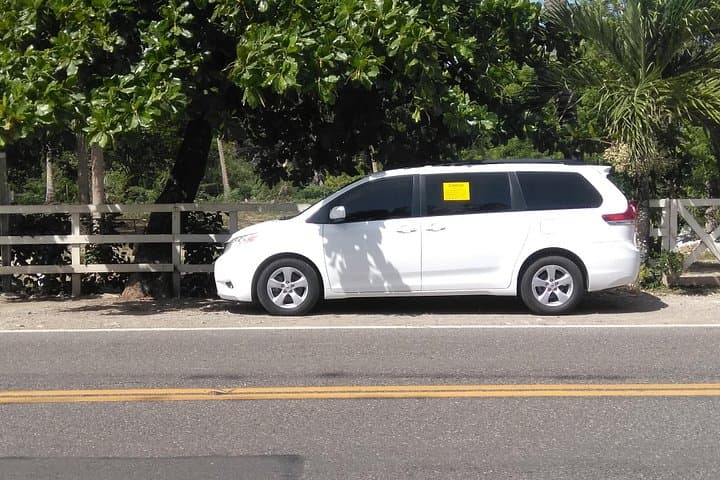


You step out of Gregorio Luperón International Airport into a humid Atlantic breeze; the van waits, tires dusted with highway grit and roof rails ready for luggage. The road east toward Samaná unspools along coconut groves and occasional surf-sprayed bays, and the ride becomes a measured way to arrive — not just get there.
You step out of Gregorio Luperón International Airport into a humid Atlantic breeze; the van waits, tires dusted with highway grit and roof rails ready for luggage. The road east toward Samaná unspools along coconut groves and occasional surf-sprayed bays, and the ride becomes a measured way to arrive — not just get there.
The route between Puerto Plata and the Samaná peninsula crosses varied terrain carved by the island’s limestone foundations and tropical rivers. Historically these corridors linked coastal ports to inland agricultural towns; today they carry tourists toward whale-watching coves and colonial-era hamlets. Along the way, small settlements pulse with merengue radio and roadside fruit stands selling papaya and fresh coconut water.
Expect a drive of roughly 200 km that commonly takes about three hours depending on traffic and stops. Operators typically use 7-seat minivans with space for bags; many vehicles are wheelchair- and stroller-accessible and offer infant seats. The trip is practical: confirm flight numbers and pickup points, allow buffer time for highway tolls and local traffic, and communicate any mobility or luggage needs in advance.
Practical tips: bring a refillable water bottle, sunscreen and a light layer for air-conditioned vehicles; download offline maps if you’ll navigate on arrival; and keep physical or mobile confirmation handy. This transfer is straightforward logistics that also gives your first clear look at the island’s north shore — wind, road, and the steady forward push of travel.