THE ADVENTURE COLLECTIVE® · Independent discovery and booking for outdoor travel

Discover Al Ain in one day: palm‑lined oases, mudbrick forts, a lively camel market and a scenic climb up Jebel Hafeet. This private tour blends archaeology, living culture and landscape views with practical logistics for a comfortable full‑day outing.
Discover Al Ain in one day: palm‑lined oases, mudbrick forts, a lively camel market and a scenic climb up Jebel Hafeet. This private tour blends archaeology, living culture and landscape views with practical logistics for a comfortable full‑day outing.
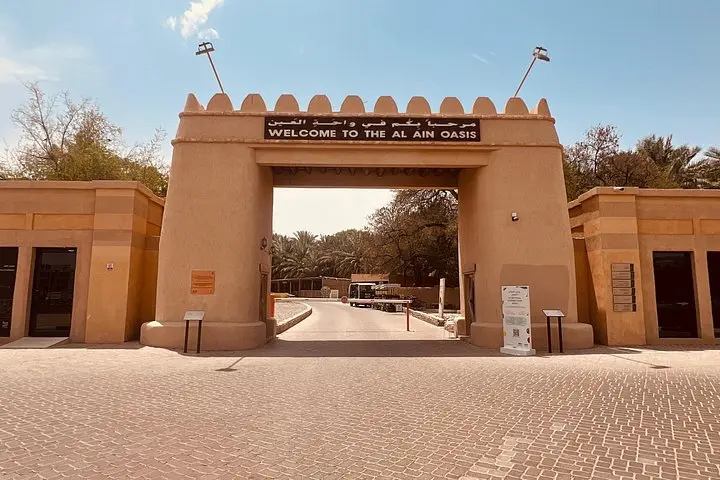
You step out of an air‑conditioned vehicle and into a city where palms shade the heat and stones keep memory. Morning light threads through the date‑palm canopies of Al Ain Oasis, the falaj channels whispering like organized breath as they carry water the same way they have for centuries. The tour moves at a steady, revealing pace—courtyards, watchtowers, and a mountain road that climbs toward a cooler wind.
Verified experiences and guided adventures in the surrounding area.
Operated by tripsync global tourism · Al Ain, Abu Dhabi
You step out of an air‑conditioned vehicle and into a city where palms shade the heat and stones keep memory. Morning light threads through the date‑palm canopies of Al Ain Oasis, the falaj channels whispering like organized breath as they carry water the same way they have for centuries. The tour moves at a steady, revealing pace—courtyards, watchtowers, and a mountain road that climbs toward a cooler wind.
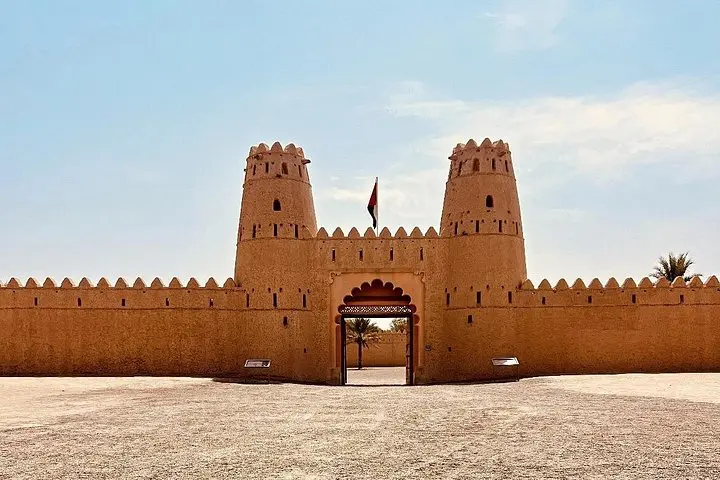
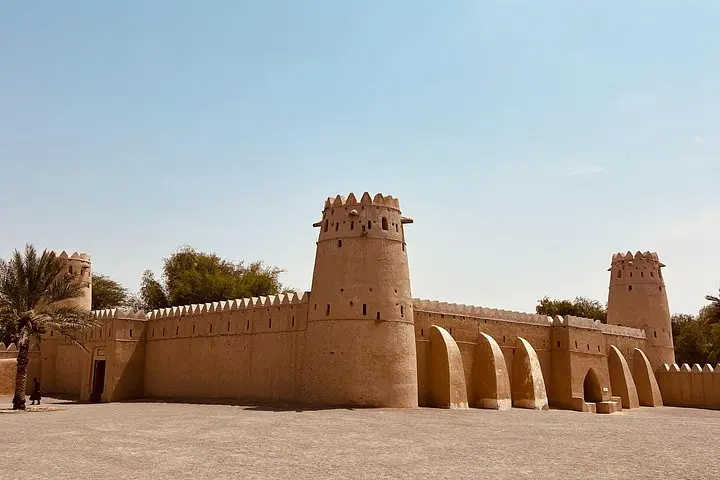
Al Ain’s history reads in mudbrick and fossil‑rich limestone. Al Jahili Fort and Qasr Al Muwaiji tell stories of local governance and the ruling family; Hili’s Bronze Age tombs and the fossils along Jebel Hafeet place human life against deep geological time. The camel market and Al Ain Souq reveal living culture: bargaining, animal husbandry, and regional craft that persist beneath modern growth.
Expect a mix of short walks and scenic drives—well‑paved roads up Jebel Hafeet, shaded pathways through the oasis, and accessible museum grounds. Guides typically cover archaeology, falaj irrigation, and traditional livelihoods while pointing out photographic vantage points over the desert plain.
Practical guidance: start early to avoid midday heat, carry sun protection and a refillable bottle, and choose comfortable walking shoes for compacted sand and stone. The tour is wheelchair accessible in many locations, but some historic sites have uneven surfaces. Bring cash for small purchases at the souq and be ready for brief negotiations. By day’s end you’ll have seen how water, rock, and human hands shaped a desert city that refuses to sit quietly in the map’s margins.
Private tours typically include pickup from Al Ain hotels or Abu Dhabi pick‑up points—confirm your pickup when booking.
Many attractions like Al Jahili Fort and Al Ain Oasis have wheelchair‑accessible paths, but some historic areas have uneven surfaces—notify the operator of accessibility needs.
This tour generally includes admission to listed museums and forts; check the booking inclusions to confirm specifics.
October–April offers milder temperatures and clearer skies; summer is very hot and best avoided for long outdoor walking.
tripsync global tourism operates guided outdoor trips and adventures with an emphasis on safety, stewardship, and memorable experiences.
You step out of an air‑conditioned vehicle and into a city where palms shade the heat and stones keep memory. Morning light threads through the date‑palm canopies of Al Ain Oasis, the falaj channels whispering like organized breath as they carry water the same way they have for centuries. The tour moves at a steady, revealing pace—courtyards, watchtowers, and a mountain road that climbs toward a cooler wind.
You step out of an air‑conditioned vehicle and into a city where palms shade the heat and stones keep memory. Morning light threads through the date‑palm canopies of Al Ain Oasis, the falaj channels whispering like organized breath as they carry water the same way they have for centuries. The tour moves at a steady, revealing pace—courtyards, watchtowers, and a mountain road that climbs toward a cooler wind.
Al Ain’s history reads in mudbrick and fossil‑rich limestone. Al Jahili Fort and Qasr Al Muwaiji tell stories of local governance and the ruling family; Hili’s Bronze Age tombs and the fossils along Jebel Hafeet place human life against deep geological time. The camel market and Al Ain Souq reveal living culture: bargaining, animal husbandry, and regional craft that persist beneath modern growth.
Expect a mix of short walks and scenic drives—well‑paved roads up Jebel Hafeet, shaded pathways through the oasis, and accessible museum grounds. Guides typically cover archaeology, falaj irrigation, and traditional livelihoods while pointing out photographic vantage points over the desert plain.
Practical guidance: start early to avoid midday heat, carry sun protection and a refillable bottle, and choose comfortable walking shoes for compacted sand and stone. The tour is wheelchair accessible in many locations, but some historic sites have uneven surfaces. Bring cash for small purchases at the souq and be ready for brief negotiations. By day’s end you’ll have seen how water, rock, and human hands shaped a desert city that refuses to sit quietly in the map’s margins.