THE ADVENTURE COLLECTIVE® · Independent discovery and booking for outdoor travel

A private driver guides you from basalt-strewn mesa overlooks to ancient petroglyph panels, Sandia Mountain panoramas, and the historic charm of Old Town. This flexible 4–8 hour tour blends geology, Pueblo and Spanish colonial history, and riverside wildlife with easy walks and expert local context.
A private driver guides you from basalt-strewn mesa overlooks to ancient petroglyph panels, Sandia Mountain panoramas, and the historic charm of Old Town. This flexible 4–8 hour tour blends geology, Pueblo and Spanish colonial history, and riverside wildlife with easy walks and expert local context.
The morning light hits the Sandia ridgeline first, turning the city below into a scatter of terra-cotta roofs and glass. Your guide meets you at the Hotel Albuquerque; a small blue Buick waits, air conditioning on and water chilled. The drive out to the West Mesa feels like a page turning — low scrub gives way to black basalt cones and the road unfurls along wide, hard desert where the skyline of the Sandias cuts a clean angle against the high desert sky.
Verified experiences and guided adventures in the surrounding area.
Operated by Glimpse ABQ · Albuquerque, New Mexico
The morning light hits the Sandia ridgeline first, turning the city below into a scatter of terra-cotta roofs and glass. Your guide meets you at the Hotel Albuquerque; a small blue Buick waits, air conditioning on and water chilled. The drive out to the West Mesa feels like a page turning — low scrub gives way to black basalt cones and the road unfurls along wide, hard desert where the skyline of the Sandias cuts a clean angle against the high desert sky.
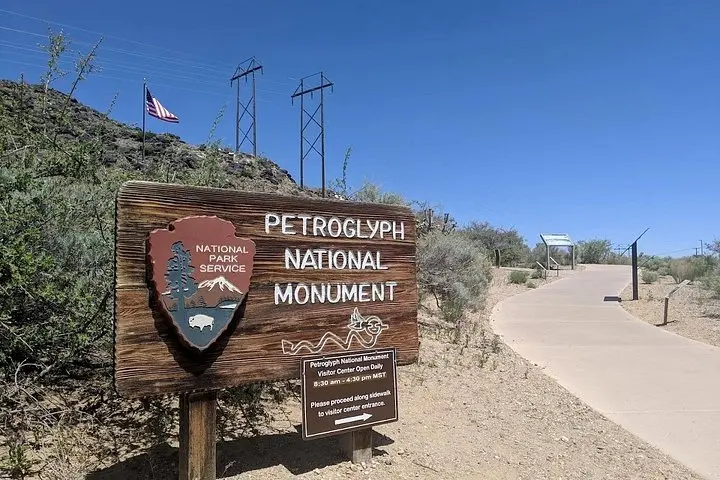
At Boca Negra Canyon the tour slows to walking pace. Short, maintained trails thread between lava flows; dark basalt walls serve as canvases for petroglyphs carved by ancestral Pueblo peoples and later visitors. A careful guide points out recurring motifs — spirals, animal tracks, human figures — and explains how relatively recent volcanic eruptions left the dense, dark rock that made these images possible. The geology of Albuquerque is immediate here: sheets of cooled lava, spatter cones, and the broad sweep of the West Mesa, shaped by volcanic forces over tens of thousands of years.
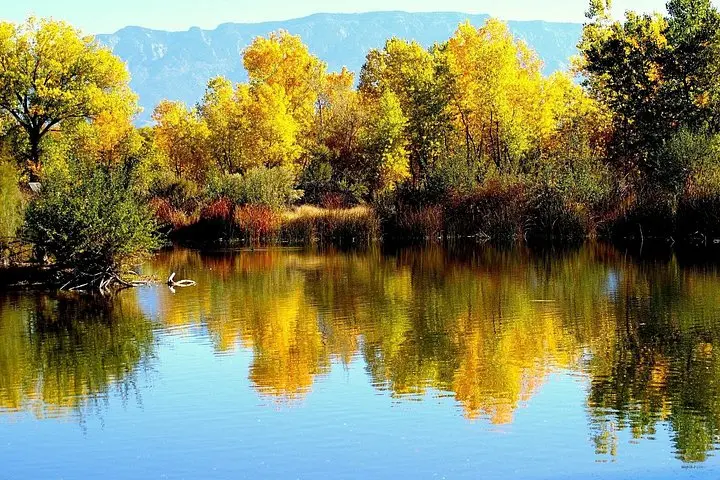
Old Town Plaza provides a cultural counterpoint. Founded in the early 1700s under Spanish colonial settlement patterns, its adobe buildings and shaded courtyards now house artisans, galleries, and small cafés steeped in New Mexican tradition. Later, the route traces the Rio Grande bosque — a ribbon of cottonwoods and wetlands that supports migratory birds and offers a quiet, green contrast to the mesa and mountain panoramas. If you take the full-day option, expect a drive-by of the National Museum of Nuclear Science & History and a window into Albuquerque’s more modern chapters.
Practicalities are simple but important. The full experience runs 4–8 hours depending on stops; walking at each site is light — typically less than two miles total of easy trails — but the city's altitude (about 5,300 ft) and Sandia viewpoints (up to 10,678 ft at the crest) can make exertion feel harder. Bring layers: desert mornings are cool, midday can be hot, and the crest is often windy and markedly colder. Sun protection and hydration are essential; the guide supplies bottled water, but a refillable bottle keeps you comfortable. Photography opportunities are constant — wide-angle vistas from West Mesa and intimate close-ups at the petroglyph panels.
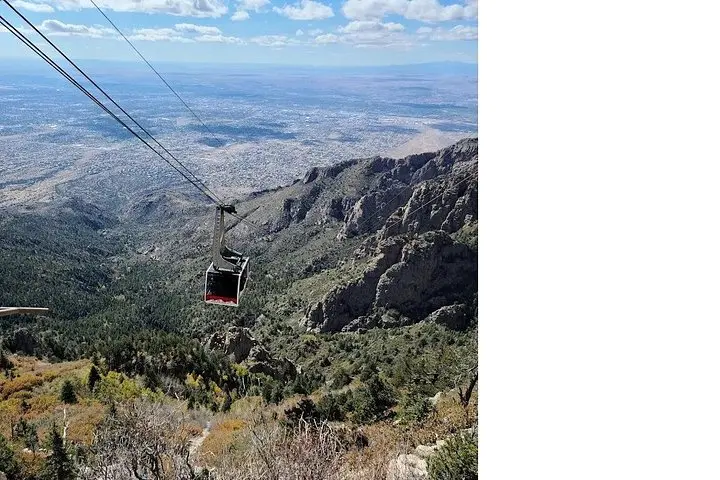
Customization is a selling point: prioritize what you want to see — more time in Old Town, an extended nature walk along the Rio Grande, or add the Sandia Peak Tramway for summit views (additional cost, adds roughly 1.5–2 hours). The private format makes this manageable for families, small groups, or travelers wanting a paced, informed introduction to Albuquerque’s layered landscape and history.
Typical pickup and dropoff is at your Albuquerque hotel or designated meeting point (front entrance of Hotel Albuquerque); confirm the time with the operator.
Yes—this private tour is flexible; prioritize Old Town, additional nature time, or add the Sandia Peak Tramway for summit access (extra cost/time).
No—the tram ride requires separate tickets and will add roughly 1.5–2 hours to a full-day itinerary.
Designated trails to petroglyph panels are generally short and family-friendly, but some sections are rocky; strollers may be difficult on uneven paths.
Tipping is customary for private tours—10–20% of the tour price is typical for good service.
Tours may be canceled for severe weather; the operator requires at least 24-hour notice for full refunds and may cancel for safety reasons.
Glimpse ABQ operates guided outdoor trips and adventures with an emphasis on safety, stewardship, and memorable experiences.
The morning light hits the Sandia ridgeline first, turning the city below into a scatter of terra-cotta roofs and glass. Your guide meets you at the Hotel Albuquerque; a small blue Buick waits, air conditioning on and water chilled. The drive out to the West Mesa feels like a page turning — low scrub gives way to black basalt cones and the road unfurls along wide, hard desert where the skyline of the Sandias cuts a clean angle against the high desert sky.
The morning light hits the Sandia ridgeline first, turning the city below into a scatter of terra-cotta roofs and glass. Your guide meets you at the Hotel Albuquerque; a small blue Buick waits, air conditioning on and water chilled. The drive out to the West Mesa feels like a page turning — low scrub gives way to black basalt cones and the road unfurls along wide, hard desert where the skyline of the Sandias cuts a clean angle against the high desert sky.
At Boca Negra Canyon the tour slows to walking pace. Short, maintained trails thread between lava flows; dark basalt walls serve as canvases for petroglyphs carved by ancestral Pueblo peoples and later visitors. A careful guide points out recurring motifs — spirals, animal tracks, human figures — and explains how relatively recent volcanic eruptions left the dense, dark rock that made these images possible. The geology of Albuquerque is immediate here: sheets of cooled lava, spatter cones, and the broad sweep of the West Mesa, shaped by volcanic forces over tens of thousands of years.
Old Town Plaza provides a cultural counterpoint. Founded in the early 1700s under Spanish colonial settlement patterns, its adobe buildings and shaded courtyards now house artisans, galleries, and small cafés steeped in New Mexican tradition. Later, the route traces the Rio Grande bosque — a ribbon of cottonwoods and wetlands that supports migratory birds and offers a quiet, green contrast to the mesa and mountain panoramas. If you take the full-day option, expect a drive-by of the National Museum of Nuclear Science & History and a window into Albuquerque’s more modern chapters.
Practicalities are simple but important. The full experience runs 4–8 hours depending on stops; walking at each site is light — typically less than two miles total of easy trails — but the city's altitude (about 5,300 ft) and Sandia viewpoints (up to 10,678 ft at the crest) can make exertion feel harder. Bring layers: desert mornings are cool, midday can be hot, and the crest is often windy and markedly colder. Sun protection and hydration are essential; the guide supplies bottled water, but a refillable bottle keeps you comfortable. Photography opportunities are constant — wide-angle vistas from West Mesa and intimate close-ups at the petroglyph panels.
Customization is a selling point: prioritize what you want to see — more time in Old Town, an extended nature walk along the Rio Grande, or add the Sandia Peak Tramway for summit views (additional cost, adds roughly 1.5–2 hours). The private format makes this manageable for families, small groups, or travelers wanting a paced, informed introduction to Albuquerque’s layered landscape and history.