THE ADVENTURE COLLECTIVE® · Independent discovery and booking for outdoor travel

Spend an immersive day from Ubud’s monkey-shaded temples to Kintamani’s caldera views on a private, all-inclusive tour. Expect cultural rituals, rice-terrace panoramas, and close-up encounters with long-tailed macaques—paired with practical tips for temple etiquette and timing.
Spend an immersive day from Ubud’s monkey-shaded temples to Kintamani’s caldera views on a private, all-inclusive tour. Expect cultural rituals, rice-terrace panoramas, and close-up encounters with long-tailed macaques—paired with practical tips for temple etiquette and timing.
Morning light thickens over rice walls and the road out of Ubud hums with scooters and the soft chatter of temple bells.
Verified experiences and guided adventures in the surrounding area.
Operated by Jungle Bali Tours · Ubud, Bali
Morning light thickens over rice walls and the road out of Ubud hums with scooters and the soft chatter of temple bells.
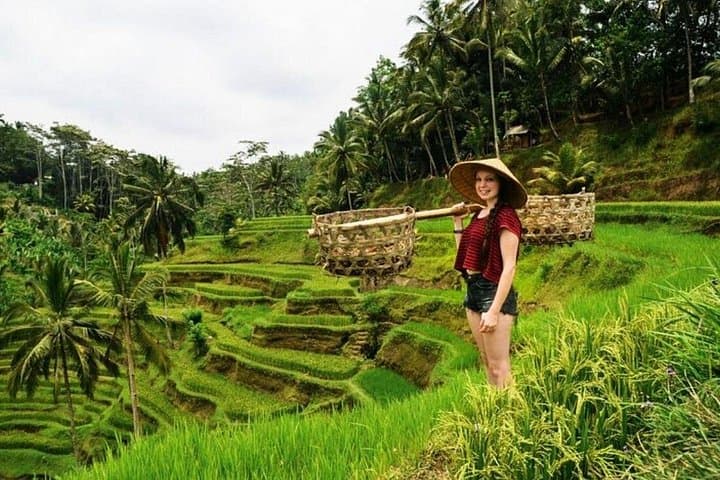
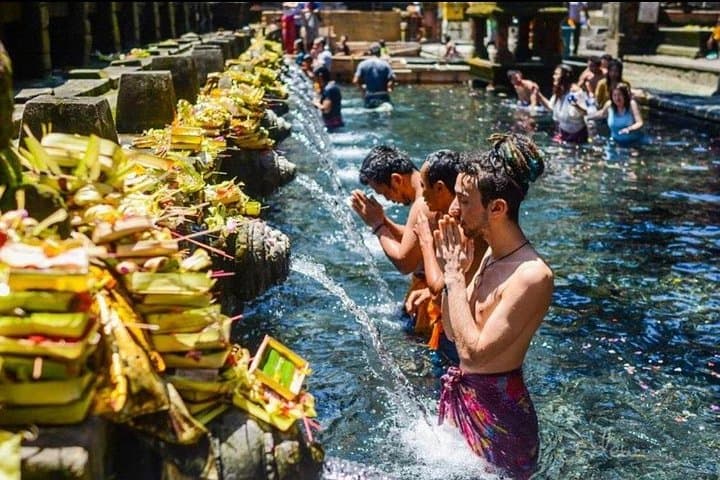
On a private, all-day circuit through central Bali, travelers move from the Sacred Monkey Forest’s shaded corridors to the carved reliefs and holy springs at Tirta Empul, then up toward the caldera rim at Kintamani where Mount Batur’s volcanic silhouette dominates the horizon. The limestone terraces of Tegalalang angle sunlight across stepped fields that still follow the centuries-old subak irrigation system, a living agricultural practice shaped by Balinese Hindu community management.
Geology here is dramatic and immediate: Mount Batur’s caldera and the chain of volcanic peaks to the north were carved by repeated eruptions; the lake in the caldera mirrors sudden cloud formations that can change a vista in minutes. Culture is woven into each stop—offerings at roadside shrines, saffron-clad priests at water temples, and village cooperatives selling kopi luwak and hand-roasted coffee at plantation lookouts.
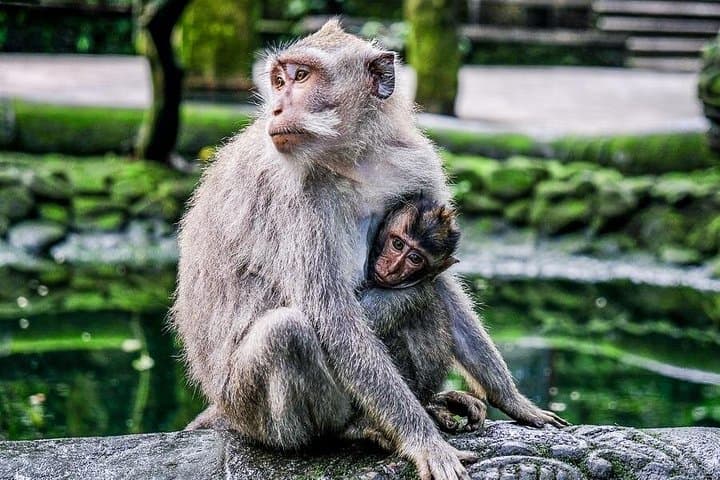
Practically, expect an 8–10 hour day with private transport between sites, brief hikes or stair climbs at terraces and temples, and several paid admissions. Bring sun protection and water, wear a sarong or be prepared to borrow one for temple visits, and keep a tight hand on cameras and small items around monkeys. Plan early departures to avoid midday heat and late-afternoon storms; the route balances photo stops, short walks, and cultural time so travelers leave with a clear sense of Bali’s landscape, faith, and agricultural rhythm.
Yes—this private tour includes air-conditioned pickup and drop-off from central Ubud or arranged pickup points within the provider’s stated area.
The tour description lists admissions and private transport; meals are not consistently specified—confirm meal inclusion with the operator when booking.
You can observe and photograph them but avoid feeding or touching; follow guide instructions to reduce stress and prevent bites or theft of belongings.
Modest clothing is required; a sarong and sash are often provided for visitors taking part in purification rituals—be prepared to cover shoulders and knees.
Jungle Bali Tours operates guided outdoor trips and adventures with an emphasis on safety, stewardship, and memorable experiences.

Morning light thickens over rice walls and the road out of Ubud hums with scooters and the soft chatter of temple bells.
Morning light thickens over rice walls and the road out of Ubud hums with scooters and the soft chatter of temple bells.
On a private, all-day circuit through central Bali, travelers move from the Sacred Monkey Forest’s shaded corridors to the carved reliefs and holy springs at Tirta Empul, then up toward the caldera rim at Kintamani where Mount Batur’s volcanic silhouette dominates the horizon. The limestone terraces of Tegalalang angle sunlight across stepped fields that still follow the centuries-old subak irrigation system, a living agricultural practice shaped by Balinese Hindu community management.
Geology here is dramatic and immediate: Mount Batur’s caldera and the chain of volcanic peaks to the north were carved by repeated eruptions; the lake in the caldera mirrors sudden cloud formations that can change a vista in minutes. Culture is woven into each stop—offerings at roadside shrines, saffron-clad priests at water temples, and village cooperatives selling kopi luwak and hand-roasted coffee at plantation lookouts.
Practically, expect an 8–10 hour day with private transport between sites, brief hikes or stair climbs at terraces and temples, and several paid admissions. Bring sun protection and water, wear a sarong or be prepared to borrow one for temple visits, and keep a tight hand on cameras and small items around monkeys. Plan early departures to avoid midday heat and late-afternoon storms; the route balances photo stops, short walks, and cultural time so travelers leave with a clear sense of Bali’s landscape, faith, and agricultural rhythm.