THE ADVENTURE COLLECTIVE® · Independent discovery and booking for outdoor travel

Walk the Giza plateau with a private guide to see Khufu, Khafre and Menkaure—plus the Sphinx—on a focused 4–5 hour experience that blends archaeology, geology and practical tips for touring in desert sun.
Walk the Giza plateau with a private guide to see Khufu, Khafre and Menkaure—plus the Sphinx—on a focused 4–5 hour experience that blends archaeology, geology and practical tips for touring in desert sun.
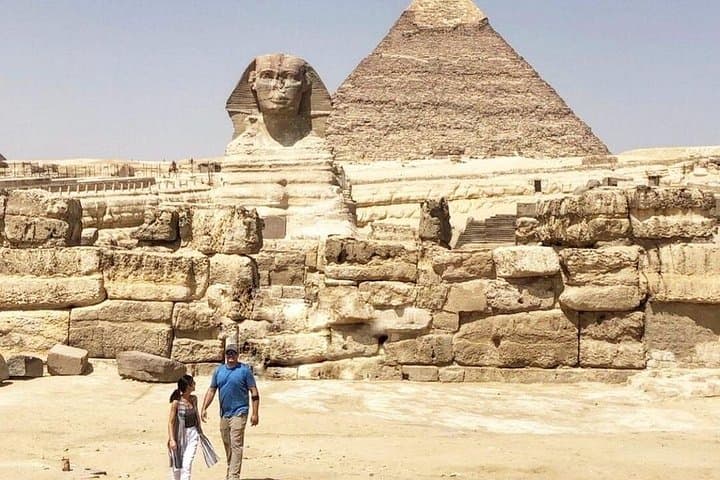
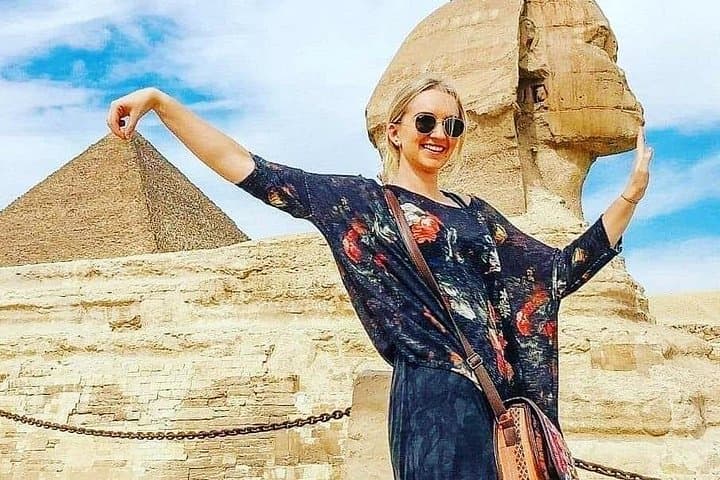
You step out of the shaded vehicle and the desert opens like a slow-moving ocean—sand shifting underfoot, the bright sun testing your pace. The Great Pyramid rises ahead, a clean geometry of limestone that has watched the Nile flood and cities grow for millennia. The tour threads between the monuments: Khufu’s imposing mass, the smaller queen pyramids, the rough face of Menkaure’s unfinished structure and the Sphinx, staring eastward as if counting the centuries.
Verified experiences and guided adventures in the surrounding area.
Operated by Egypt Mo Tours · Giza, Cairo Governorate
You step out of the shaded vehicle and the desert opens like a slow-moving ocean—sand shifting underfoot, the bright sun testing your pace. The Great Pyramid rises ahead, a clean geometry of limestone that has watched the Nile flood and cities grow for millennia. The tour threads between the monuments: Khufu’s imposing mass, the smaller queen pyramids, the rough face of Menkaure’s unfinished structure and the Sphinx, staring eastward as if counting the centuries.
This plateau is geology and human engineering compressed into stone. The Great Pyramid (Khufu) ranks among the ancient world’s wonders; its core and casing stones were quarried and moved using Bronze Age technology that continues to puzzle engineers and Egyptologists. The site’s history spills into present-day Cairo: pharaonic burial practices, solar-boat pits, and subsidiary tombs tell a practical story of power and afterlife belief.
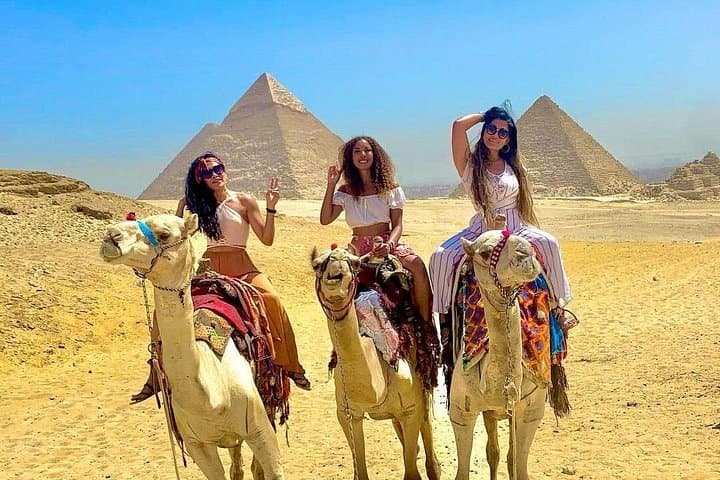
An Egyptologist-guide will place each monument in cultural context and point out the panorama spot for a line of visible pyramids—ideal for photos. Expect flat walking on compacted sand, some uneven stone, and strong sun exposure.
Practical notes: bring sunscreen, a wide-brim hat and a refillable water bottle; entry to the Great Pyramid and some tombs requires separate tickets and queues. Early morning or late afternoon visits reduce heat and harsh light. The private format typically includes hotel pickup and a bilingual guide; camel rides and interior pyramid access are optional extras. With preparation, the plateau rewards patience: vast, human-made forms that keep their secrets while offering clear, powerful views.
Standard site entry is often not included; interior access to Khufu and other pyramid chambers requires separate tickets which your guide can arrange for an additional fee.
Yes, but interior access is limited, requires a separate ticket, and may involve narrow passages and low ceilings—it's not recommended for claustrophobic visitors.
Parts of the Giza plateau are uneven and sandy; while some vehicle drop-off points are accessible and transfers may accommodate wheelchairs, full access across the site is limited.
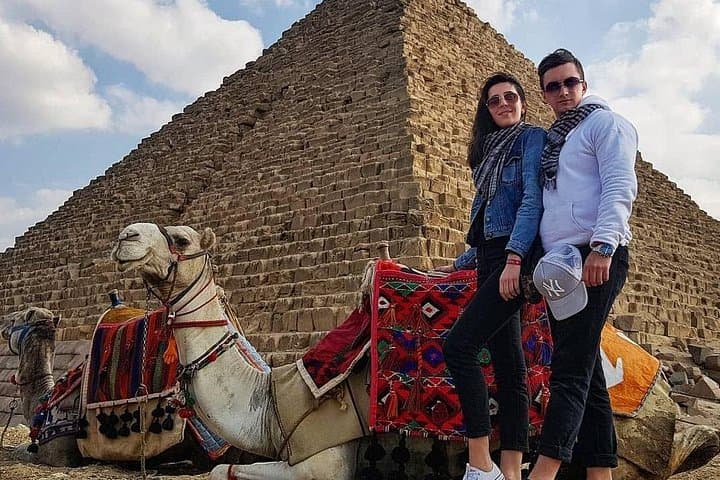
Camel rides are optional extras at the site and usually handled by local operators; expect to pay on-site and confirm pick-up/drop-off locations with your guide.
Egypt Mo Tours operates guided outdoor trips and adventures with an emphasis on safety, stewardship, and memorable experiences.
You step out of the shaded vehicle and the desert opens like a slow-moving ocean—sand shifting underfoot, the bright sun testing your pace. The Great Pyramid rises ahead, a clean geometry of limestone that has watched the Nile flood and cities grow for millennia. The tour threads between the monuments: Khufu’s imposing mass, the smaller queen pyramids, the rough face of Menkaure’s unfinished structure and the Sphinx, staring eastward as if counting the centuries.
You step out of the shaded vehicle and the desert opens like a slow-moving ocean—sand shifting underfoot, the bright sun testing your pace. The Great Pyramid rises ahead, a clean geometry of limestone that has watched the Nile flood and cities grow for millennia. The tour threads between the monuments: Khufu’s imposing mass, the smaller queen pyramids, the rough face of Menkaure’s unfinished structure and the Sphinx, staring eastward as if counting the centuries.
This plateau is geology and human engineering compressed into stone. The Great Pyramid (Khufu) ranks among the ancient world’s wonders; its core and casing stones were quarried and moved using Bronze Age technology that continues to puzzle engineers and Egyptologists. The site’s history spills into present-day Cairo: pharaonic burial practices, solar-boat pits, and subsidiary tombs tell a practical story of power and afterlife belief.
An Egyptologist-guide will place each monument in cultural context and point out the panorama spot for a line of visible pyramids—ideal for photos. Expect flat walking on compacted sand, some uneven stone, and strong sun exposure.
Practical notes: bring sunscreen, a wide-brim hat and a refillable water bottle; entry to the Great Pyramid and some tombs requires separate tickets and queues. Early morning or late afternoon visits reduce heat and harsh light. The private format typically includes hotel pickup and a bilingual guide; camel rides and interior pyramid access are optional extras. With preparation, the plateau rewards patience: vast, human-made forms that keep their secrets while offering clear, powerful views.