THE ADVENTURE COLLECTIVE® · Independent discovery and booking for outdoor travel

A private five-hour tour of the Giza Plateau that pairs a guided walk among the Great Pyramids and the Sphinx with a 45-minute camel ride and a five-star lunch. Ideal for travelers seeking context-rich history with convenient hotel pickup.
A private five-hour tour of the Giza Plateau that pairs a guided walk among the Great Pyramids and the Sphinx with a 45-minute camel ride and a five-star lunch. Ideal for travelers seeking context-rich history with convenient hotel pickup.
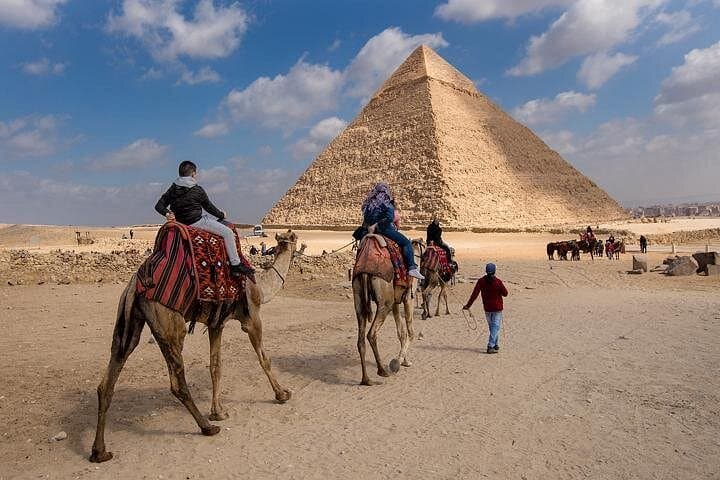
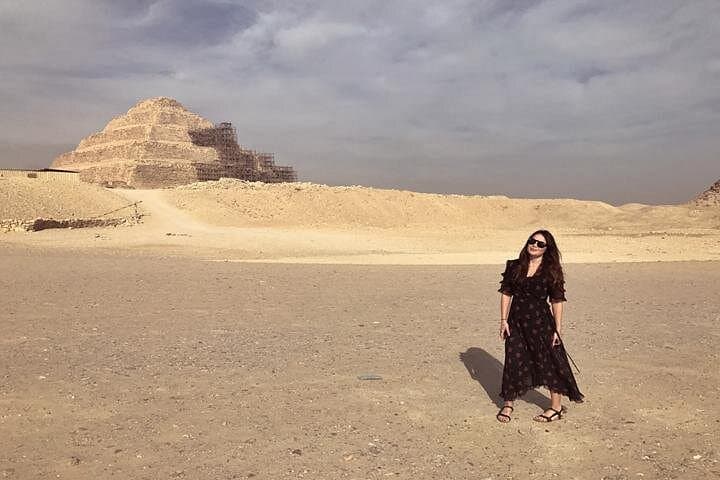
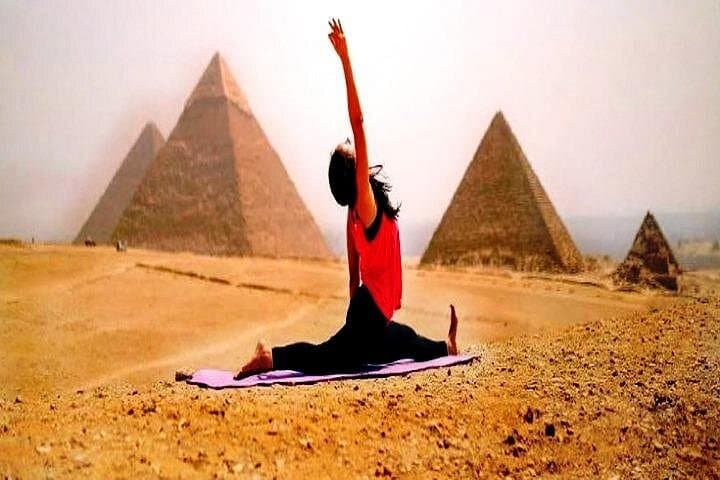
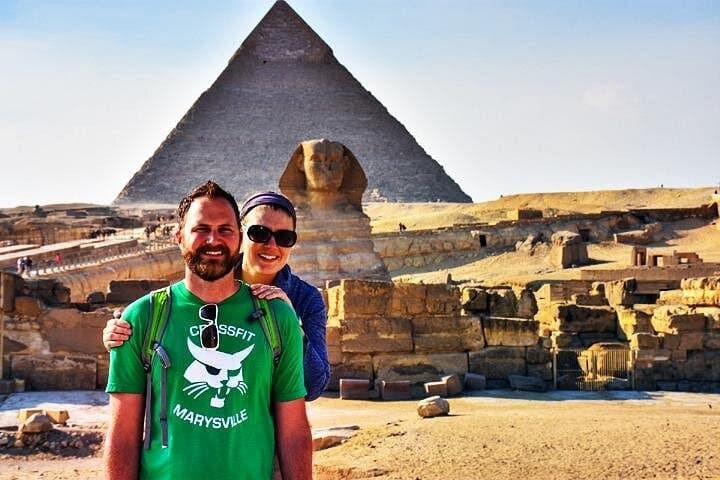
You step from the hotel lobby into a Cairo morning that tastes of dust and cumin; the city thins behind you and the desert opens, heat already pushing at the edges of the day. On the Giza Plateau the three great pyramids loom—angular, sun-baked—and the Sphinx sits watch like an ancient guardian, its limestone face worn by millennia of wind and sand.
Verified experiences and guided adventures in the surrounding area.
Operated by bes Egypt tours - day tours · Giza, Giza Governorate
You step from the hotel lobby into a Cairo morning that tastes of dust and cumin; the city thins behind you and the desert opens, heat already pushing at the edges of the day. On the Giza Plateau the three great pyramids loom—angular, sun-baked—and the Sphinx sits watch like an ancient guardian, its limestone face worn by millennia of wind and sand.
These monuments date to Egypt’s Old Kingdom; the Great Pyramid of Khufu was completed around 2560 BCE and rests on limestone bedrock formed from an ancient shallow sea. Nearby, the Solar Boat Museum shelters a cedar vessel once interred for a pharaoh’s voyage, and the Valley Temple recalls the ritual side of royal burial and mummification.
A private Egyptologist guide frames the facts with context—engineering methods, dynastic politics, and local customs—while a camel ride lets the plateau tilt into a new rhythm beneath you. Lunch at a five-star restaurant after the circuit gives a modern counterpoint to the millennia-old stones.
Practical guidance: tours run about five hours, include hotel pickup and drop-off, and cover general entrance fees and a camel ride; wear sturdy shoes for uneven limestone and a hat for intense sun. Plan mornings or late afternoons to avoid peak heat and crowds, carry extra water even if bottled water is provided, and follow posted paths—climbing the pyramids is illegal and undermines preservation efforts.
This is a compact, accessible encounter with one of the world’s oldest urban landscapes—informative, tactile, and unavoidably humbling.
General entrance fees to the Giza pyramids and Sphinx are included in this private tour.
The itinerary includes a camel ride of approximately 30–45 minutes around the plateau.
Yes—private pickup and drop-off from Cairo-area hotels are included in the tour price.
Access inside specific pyramids can be limited and sometimes requires a separate ticket; check with your guide before the tour for current availability.
bes Egypt tours - day tours operates guided outdoor trips and adventures with an emphasis on safety, stewardship, and memorable experiences.
You step from the hotel lobby into a Cairo morning that tastes of dust and cumin; the city thins behind you and the desert opens, heat already pushing at the edges of the day. On the Giza Plateau the three great pyramids loom—angular, sun-baked—and the Sphinx sits watch like an ancient guardian, its limestone face worn by millennia of wind and sand.
You step from the hotel lobby into a Cairo morning that tastes of dust and cumin; the city thins behind you and the desert opens, heat already pushing at the edges of the day. On the Giza Plateau the three great pyramids loom—angular, sun-baked—and the Sphinx sits watch like an ancient guardian, its limestone face worn by millennia of wind and sand.
These monuments date to Egypt’s Old Kingdom; the Great Pyramid of Khufu was completed around 2560 BCE and rests on limestone bedrock formed from an ancient shallow sea. Nearby, the Solar Boat Museum shelters a cedar vessel once interred for a pharaoh’s voyage, and the Valley Temple recalls the ritual side of royal burial and mummification.
A private Egyptologist guide frames the facts with context—engineering methods, dynastic politics, and local customs—while a camel ride lets the plateau tilt into a new rhythm beneath you. Lunch at a five-star restaurant after the circuit gives a modern counterpoint to the millennia-old stones.
Practical guidance: tours run about five hours, include hotel pickup and drop-off, and cover general entrance fees and a camel ride; wear sturdy shoes for uneven limestone and a hat for intense sun. Plan mornings or late afternoons to avoid peak heat and crowds, carry extra water even if bottled water is provided, and follow posted paths—climbing the pyramids is illegal and undermines preservation efforts.
This is a compact, accessible encounter with one of the world’s oldest urban landscapes—informative, tactile, and unavoidably humbling.