THE ADVENTURE COLLECTIVE® · Independent discovery and booking for outdoor travel

Explore the Giza Pyramids and Sphinx with a private Egyptologist, then unwind on a traditional felucca along the Nile. This six-hour, all-inclusive tour blends archaeological insight with a classic river sail.
Explore the Giza Pyramids and Sphinx with a private Egyptologist, then unwind on a traditional felucca along the Nile. This six-hour, all-inclusive tour blends archaeological insight with a classic river sail.
Morning light spills across yellowed limestone as a private vehicle threads out of Cairo toward the Giza Plateau. The Pyramids of Khufu, Khafre and Menkaure rise from wind-swept sand—monuments that measure human ambition in stone—while the Nile, patient and wide, waits downstream like an old guide daring you to see Egypt by water.
Verified experiences and guided adventures in the surrounding area.
Operated by Misk Tours · Giza, Giza Governorate
Morning light spills across yellowed limestone as a private vehicle threads out of Cairo toward the Giza Plateau. The Pyramids of Khufu, Khafre and Menkaure rise from wind-swept sand—monuments that measure human ambition in stone—while the Nile, patient and wide, waits downstream like an old guide daring you to see Egypt by water.
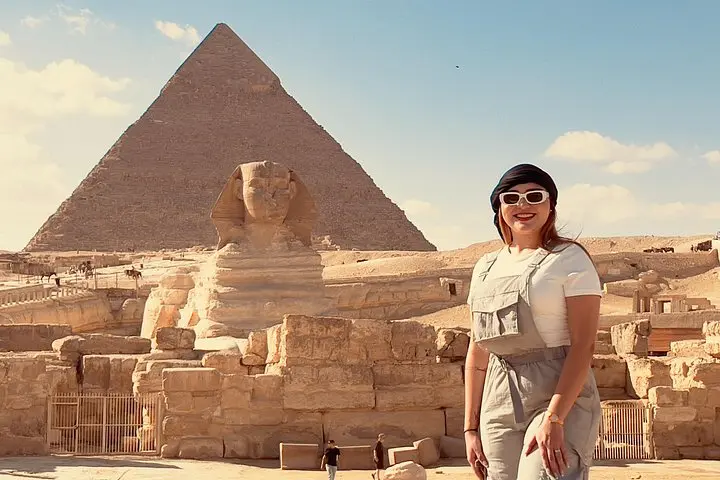
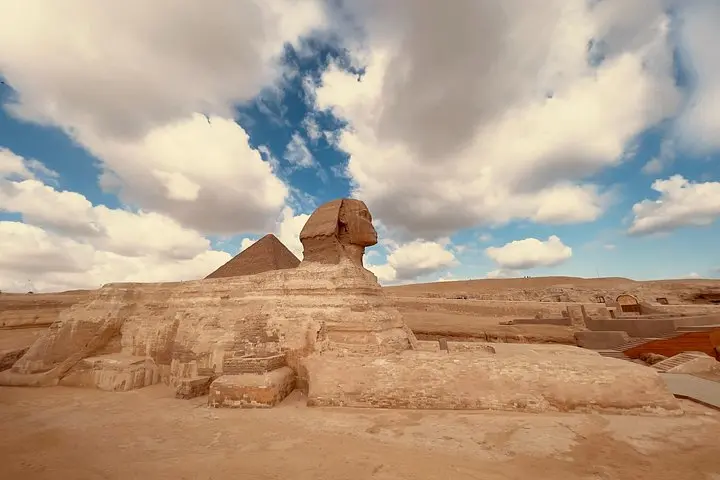
Built in the fourth dynasty (c. 2600–2500 BCE), the Giza complex sits on a raised plateau of Eocene limestone that once formed the ancient shoreline. Visitors encounter causeways, valley temples and the Great Sphinx—an iconic guardian carved with a royal likeness that anchors local legend and funerary practice. The one-hour felucca ride afterward offers a different frame: riverbanks of papyrus and low-rise Cairo architecture, a living corridor that sustained ancient and modern Egypt alike.
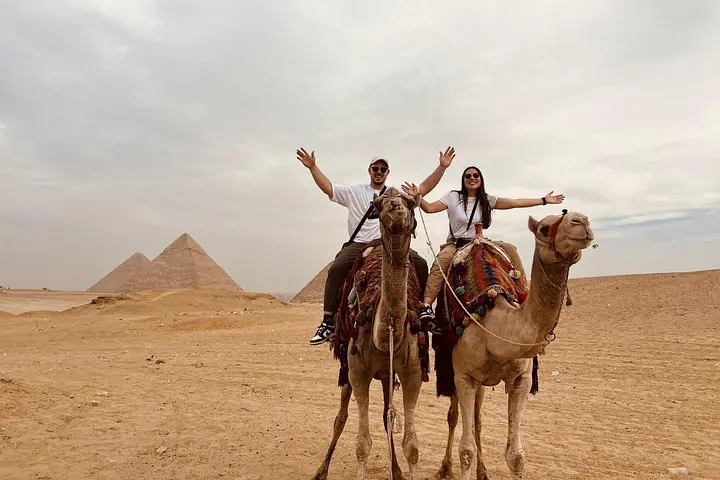
Expect uneven, sandy ground and short climbs to panoramic viewpoints; the plateau is exposed to sun and wind, with limited shade. The tour includes hotel pickup/drop-off, entrance to the plateau, a 20-minute camel ride, and a one-hour traditional felucca sail. Photography stops are flexible and the guide is an Egyptologist who will explain funerary rituals, quarrying techniques, and the logistics of building massive stone monuments.
Practical advice: start early to avoid heat and crowds, wear sturdy closed shoes for walking on loose limestone and sand, carry at least 1–2 liters of water, and bring sun protection. If you want to enter a pyramid interior, arrange the special entry ticket in advance. The combination of plateau exploration and a quiet river sail makes for a compact, varied day that pairs archaeology with the elemental calm of the Nile.
Yes—hotel pickup and drop-off within Cairo/Giza are included in the tour price.
Interior access requires a separate ticket and can be arranged in advance by your guide; availability is limited.
The tour provides a private one-hour felucca ride as stated in the itinerary, usually with a small crew running the boat.
Tipping is customary for guides, drivers and boat crew; prepare small local-currency notes and tip according to service quality.
Misk Tours operates guided outdoor trips and adventures with an emphasis on safety, stewardship, and memorable experiences.

Morning light spills across yellowed limestone as a private vehicle threads out of Cairo toward the Giza Plateau. The Pyramids of Khufu, Khafre and Menkaure rise from wind-swept sand—monuments that measure human ambition in stone—while the Nile, patient and wide, waits downstream like an old guide daring you to see Egypt by water.
Morning light spills across yellowed limestone as a private vehicle threads out of Cairo toward the Giza Plateau. The Pyramids of Khufu, Khafre and Menkaure rise from wind-swept sand—monuments that measure human ambition in stone—while the Nile, patient and wide, waits downstream like an old guide daring you to see Egypt by water.
Built in the fourth dynasty (c. 2600–2500 BCE), the Giza complex sits on a raised plateau of Eocene limestone that once formed the ancient shoreline. Visitors encounter causeways, valley temples and the Great Sphinx—an iconic guardian carved with a royal likeness that anchors local legend and funerary practice. The one-hour felucca ride afterward offers a different frame: riverbanks of papyrus and low-rise Cairo architecture, a living corridor that sustained ancient and modern Egypt alike.
Expect uneven, sandy ground and short climbs to panoramic viewpoints; the plateau is exposed to sun and wind, with limited shade. The tour includes hotel pickup/drop-off, entrance to the plateau, a 20-minute camel ride, and a one-hour traditional felucca sail. Photography stops are flexible and the guide is an Egyptologist who will explain funerary rituals, quarrying techniques, and the logistics of building massive stone monuments.
Practical advice: start early to avoid heat and crowds, wear sturdy closed shoes for walking on loose limestone and sand, carry at least 1–2 liters of water, and bring sun protection. If you want to enter a pyramid interior, arrange the special entry ticket in advance. The combination of plateau exploration and a quiet river sail makes for a compact, varied day that pairs archaeology with the elemental calm of the Nile.