THE ADVENTURE COLLECTIVE® · Independent discovery and booking for outdoor travel

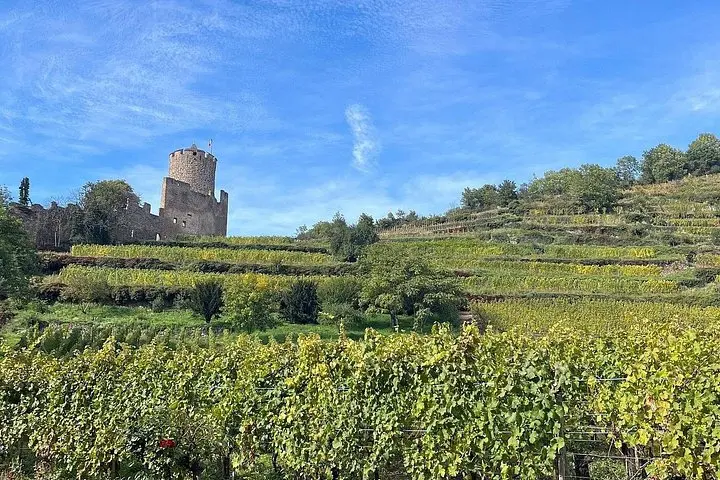
Cross borders on a private day tour from Basel through Alsace’s painted villages and into the Black Forest’s high suspension bridge. Experience Colmar’s canals, Kaysersberg’s castle views, cuckoo‑clock craftsmanship, and the 450‑meter BLACKFORESTLINE—an efficient, scenic day for photographers and curious travelers.
Cross borders on a private day tour from Basel through Alsace’s painted villages and into the Black Forest’s high suspension bridge. Experience Colmar’s canals, Kaysersberg’s castle views, cuckoo‑clock craftsmanship, and the 450‑meter BLACKFORESTLINE—an efficient, scenic day for photographers and curious travelers.
A private car slips out of Basel before sunrise and carries travelers across borders into a landscape where vineyards slope toward timbered villages and dark fir forests climb steep valleys. In Colmar, cobbled lanes and low canals guide visitors past painted half-timbered houses and the stone bulk of Collégiale Saint‑Martin; the town moves with quiet confidence as shutters open to market stalls.
Verified experiences and guided adventures in the surrounding area.
Operated by Niemi tours · Colmar, Grand Est
A private car slips out of Basel before sunrise and carries travelers across borders into a landscape where vineyards slope toward timbered villages and dark fir forests climb steep valleys. In Colmar, cobbled lanes and low canals guide visitors past painted half-timbered houses and the stone bulk of Collégiale Saint‑Martin; the town moves with quiet confidence as shutters open to market stalls.
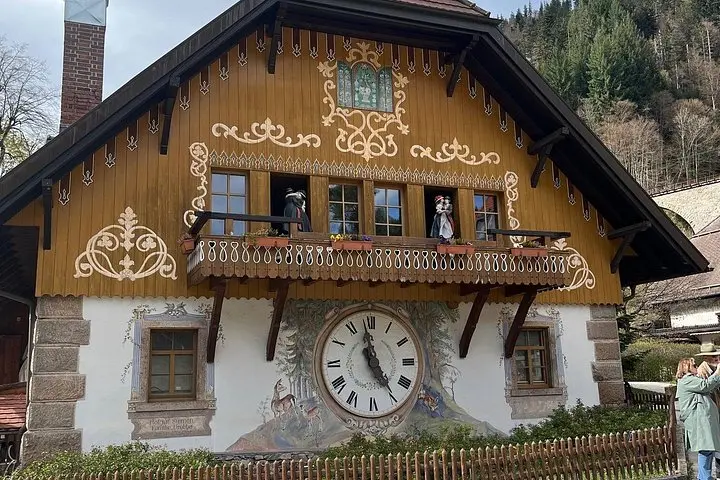
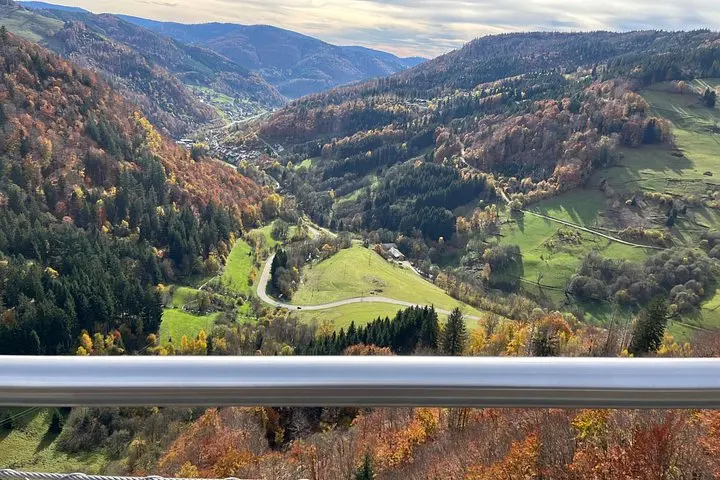
The day traces layers of history: Alsace’s Franco‑German past in its architecture and cuisine, and the Black Forest’s geological rise of ancient crystalline rock that channels streams into plunging waterfalls. At a cuckoo‑clock workshop, skilled hands shape linden wood into moving birds and carved scenes—a craft rooted in 18th‑century valley workshops. Higher, the BLACKFORESTLINE suspension bridge arcs 450 meters across a chasm, 120 meters above a valley where Todtnau Waterfall carves the landscape with steady patience.
Culture here is tactile: wine barrels, kirsch‑flavored cakes, and clocks that mark generations. The private vehicle and guide turn distance into a flexible itinerary—less time lost between sites and more time walking village lanes or standing on the bridge watching wind and canopy negotiate one another.
Practical guidance: plan for 8–10 hours, wear sturdy walking shoes and a windproof layer for the bridge, and bring passport/ID for the cross‑border route. Peak light for photos is morning in Colmar or late afternoon on the bridge; aim to arrive at popular stops outside high‑season midday. Hydrate, allow time for local tastings, and expect short uphill walks and stairs at viewpoints.
Most departures begin in Basel with flexible pickup points—confirm the exact meeting location with the operator when booking.
The bridge is high and exposed; guests uncomfortable with heights can remain at viewing areas while others cross.
The tour lists entrance fees and select tastings as included, but confirm details for specific sites when booking.
Yes; infant seats are available and the itinerary has short walks, though the bridge and some ruins have stairs—children should be supervised.
Niemi tours operates guided outdoor trips and adventures with an emphasis on safety, stewardship, and memorable experiences.
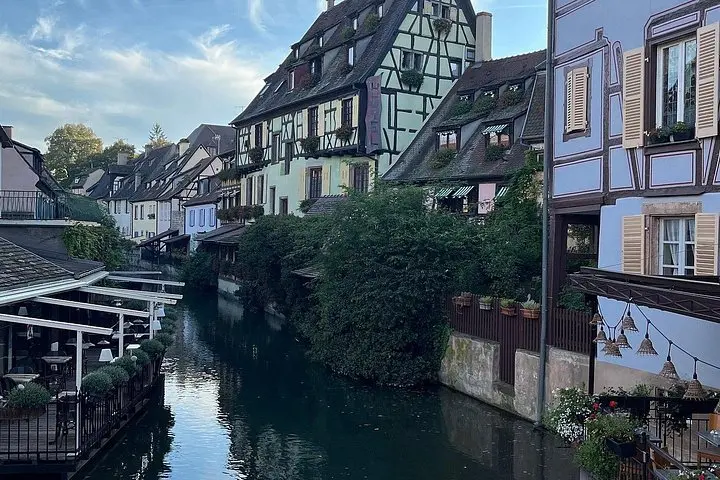
A private car slips out of Basel before sunrise and carries travelers across borders into a landscape where vineyards slope toward timbered villages and dark fir forests climb steep valleys. In Colmar, cobbled lanes and low canals guide visitors past painted half-timbered houses and the stone bulk of Collégiale Saint‑Martin; the town moves with quiet confidence as shutters open to market stalls.
A private car slips out of Basel before sunrise and carries travelers across borders into a landscape where vineyards slope toward timbered villages and dark fir forests climb steep valleys. In Colmar, cobbled lanes and low canals guide visitors past painted half-timbered houses and the stone bulk of Collégiale Saint‑Martin; the town moves with quiet confidence as shutters open to market stalls.
The day traces layers of history: Alsace’s Franco‑German past in its architecture and cuisine, and the Black Forest’s geological rise of ancient crystalline rock that channels streams into plunging waterfalls. At a cuckoo‑clock workshop, skilled hands shape linden wood into moving birds and carved scenes—a craft rooted in 18th‑century valley workshops. Higher, the BLACKFORESTLINE suspension bridge arcs 450 meters across a chasm, 120 meters above a valley where Todtnau Waterfall carves the landscape with steady patience.
Culture here is tactile: wine barrels, kirsch‑flavored cakes, and clocks that mark generations. The private vehicle and guide turn distance into a flexible itinerary—less time lost between sites and more time walking village lanes or standing on the bridge watching wind and canopy negotiate one another.
Practical guidance: plan for 8–10 hours, wear sturdy walking shoes and a windproof layer for the bridge, and bring passport/ID for the cross‑border route. Peak light for photos is morning in Colmar or late afternoon on the bridge; aim to arrive at popular stops outside high‑season midday. Hydrate, allow time for local tastings, and expect short uphill walks and stairs at viewpoints.