THE ADVENTURE COLLECTIVE® · Independent discovery and booking for outdoor travel

A private, multi-day immersion from Leticia into the Colombian Amazon: fast-boat crossings, Ticuna village visits, night jungle walks and encounters with pink dolphins and rescued monkeys. Practical and culturally minded, this tour mixes river travel with guided forest exploration.
A private, multi-day immersion from Leticia into the Colombian Amazon: fast-boat crossings, Ticuna village visits, night jungle walks and encounters with pink dolphins and rescued monkeys. Practical and culturally minded, this tour mixes river travel with guided forest exploration.
The boat slips away from Leticia as dawn pulls light across the Amazon; water glitters and the forest breathes close to the riverbank. On this private multi-day route travelers move between river and trail—fast boats cutting across the Amazonas to Ticuna villages, night walks under a ceiling of insects and stars, and slow glassy hours searching for pink dolphins where the Tarapoto meets the main stem.
Verified experiences and guided adventures in the surrounding area.
Operated by Typical Colombia · Leticia, Amazonas
The boat slips away from Leticia as dawn pulls light across the Amazon; water glitters and the forest breathes close to the riverbank. On this private multi-day route travelers move between river and trail—fast boats cutting across the Amazonas to Ticuna villages, night walks under a ceiling of insects and stars, and slow glassy hours searching for pink dolphins where the Tarapoto meets the main stem.
The region around Leticia sits at the tri-border of Colombia, Brazil and Peru, shaped by millennia of riverine deposition and seasonal floods rather than mountain-building. Indigenous Ticuna culture remains visible in daily life, local markets and community-led storytelling; the area’s modern history is tied to rubber extraction and strategic border claims from the 20th century.
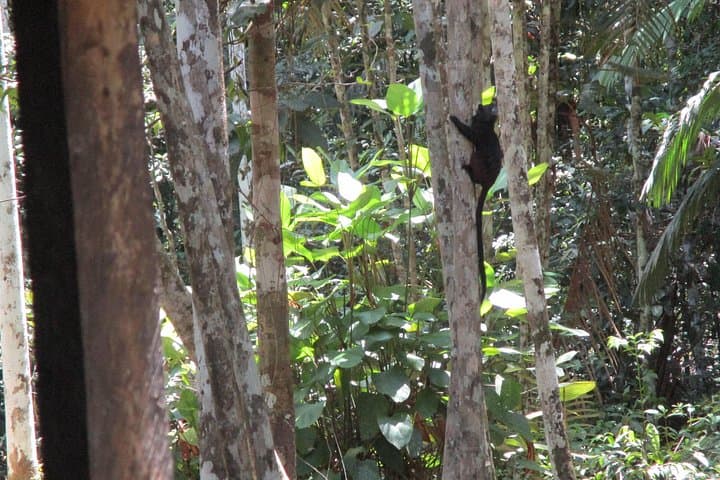
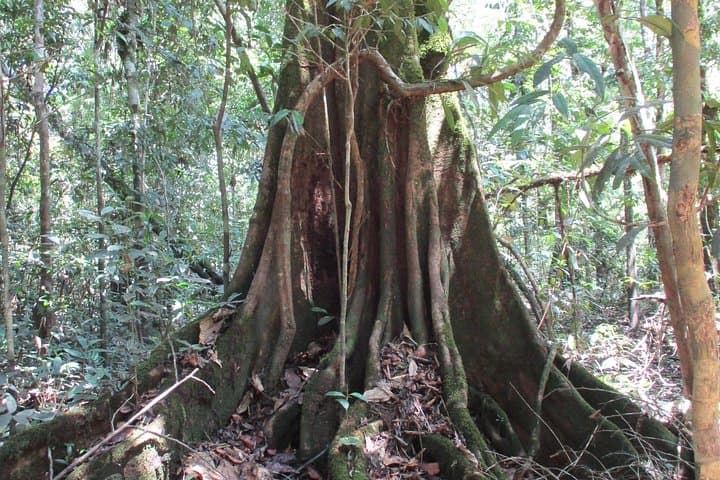
Expect humid lowland rainforest, clay-heavy soils that slick after rain, and thick canopy interrupted by river meanders and seasonally exposed sandbars. Wildlife is the focus—dolphins, monkeys and hundreds of bird species—so visits often include the monkey conservation center at Moncagua and guided river surveys.
Practical notes: flights connect Bogotá–Leticia; boats are the primary transfer method within the basin so waterproof bags and motion-sickness prep matter. Night hikes require headlamps and a moderate level of fitness; insect protection and up-to-date vaccinations (yellow fever recommended) are standard. Travel documents are essential for border-area excursions to Tabatinga and the Tres Fronteras viewpoint. Respect local customs: follow guides’ instructions, avoid feeding wildlife, and carry cash for small purchases in Leticia and Puerto Nariño.
Yellow fever vaccination is commonly recommended for Amazon travel and some itineraries may require proof; consult a travel clinic well before departure.
Yes — visits to border areas like Tabatinga and Tres Fronteras may require a passport; keep it handy and protected in a waterproof case.
Walks are generally short to moderate over uneven, sometimes muddy terrain; a basic level of mobility and stamina is sufficient.
No — interactions are observational; local regulations and conservation guidelines prohibit swimming or direct contact to protect the animals.
Typical Colombia operates guided outdoor trips and adventures with an emphasis on safety, stewardship, and memorable experiences.
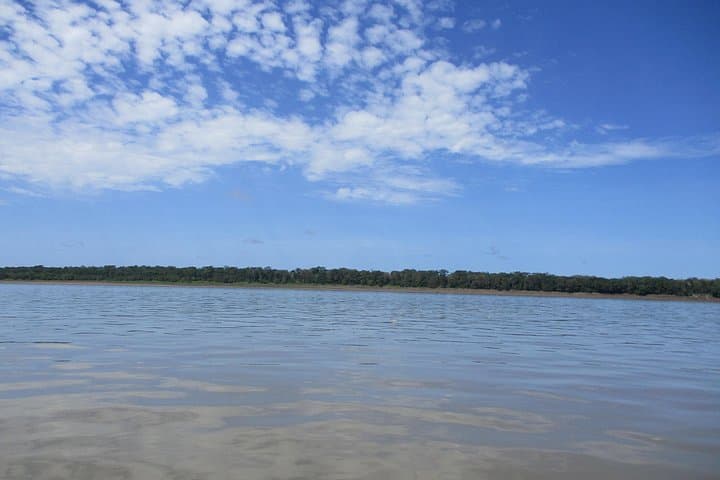

The boat slips away from Leticia as dawn pulls light across the Amazon; water glitters and the forest breathes close to the riverbank. On this private multi-day route travelers move between river and trail—fast boats cutting across the Amazonas to Ticuna villages, night walks under a ceiling of insects and stars, and slow glassy hours searching for pink dolphins where the Tarapoto meets the main stem.
The boat slips away from Leticia as dawn pulls light across the Amazon; water glitters and the forest breathes close to the riverbank. On this private multi-day route travelers move between river and trail—fast boats cutting across the Amazonas to Ticuna villages, night walks under a ceiling of insects and stars, and slow glassy hours searching for pink dolphins where the Tarapoto meets the main stem.
The region around Leticia sits at the tri-border of Colombia, Brazil and Peru, shaped by millennia of riverine deposition and seasonal floods rather than mountain-building. Indigenous Ticuna culture remains visible in daily life, local markets and community-led storytelling; the area’s modern history is tied to rubber extraction and strategic border claims from the 20th century.
Expect humid lowland rainforest, clay-heavy soils that slick after rain, and thick canopy interrupted by river meanders and seasonally exposed sandbars. Wildlife is the focus—dolphins, monkeys and hundreds of bird species—so visits often include the monkey conservation center at Moncagua and guided river surveys.
Practical notes: flights connect Bogotá–Leticia; boats are the primary transfer method within the basin so waterproof bags and motion-sickness prep matter. Night hikes require headlamps and a moderate level of fitness; insect protection and up-to-date vaccinations (yellow fever recommended) are standard. Travel documents are essential for border-area excursions to Tabatinga and the Tres Fronteras viewpoint. Respect local customs: follow guides’ instructions, avoid feeding wildlife, and carry cash for small purchases in Leticia and Puerto Nariño.