THE ADVENTURE COLLECTIVE® · Independent discovery and booking for outdoor travel

Walk through Dubai’s oldest quarter on a private five-hour tour that stitches together the creek’s markets, a traditional abra crossing, Al Fahidi’s wind towers, and coffee culture. Expect cobbled lanes, bargaining in the souks, and a guided deep dive into the city’s mercantile past.
Walk through Dubai’s oldest quarter on a private five-hour tour that stitches together the creek’s markets, a traditional abra crossing, Al Fahidi’s wind towers, and coffee culture. Expect cobbled lanes, bargaining in the souks, and a guided deep dive into the city’s mercantile past.
You step off the Palm Deira metro into a city that still remembers the creek: heat rises from sun-baked stone, spices breathe from open sacks, and the wooden abra tugs at the current as if daring you to cross. The alleys of Al Fahidi unfold with wind towers casting patterned shade; falcons of trade—gold, coffee, cloth—circle the souks while a guide threads local history into each turn.
Verified experiences and guided adventures in the surrounding area.
Operated by Amazing Jerusalem Tours · Dubai, Dubai
You step off the Palm Deira metro into a city that still remembers the creek: heat rises from sun-baked stone, spices breathe from open sacks, and the wooden abra tugs at the current as if daring you to cross. The alleys of Al Fahidi unfold with wind towers casting patterned shade; falcons of trade—gold, coffee, cloth—circle the souks while a guide threads local history into each turn.
Dubai Creek carved this place into a trading hub long before skyscrapers. What began as a pearling and fishing economy left a compact urban core of stone fortifications—Al Fahidi Fort—and narrow lanes where tradespeople once bartered across thresholds. The Barjeel wind towers still funnel cooling air; the Dubai Coffee Museum preserves the rituals of roast and pour that fueled caravan routes. Cultural layers include Hindu and Islamic houses of worship and textile markets reflecting centuries of regional exchange.
Practically: this private, five-hour walking tour covers the old fish market, fruit and vegetable stalls at the creek, the Gold and Spice Souks, an abra crossing, Hindu temple, Bur Dubai textile souk, Al Fahidi Historical Neighbourhood, Al Fahidi Fort (Dubai Museum), and the Coffee Museum with tastings and a camel burger sample. Guides are highly rated on TripAdvisor and the tour is customizable.
Prepare for a moderate amount of walking on uneven cobbles; bring sun protection, refillable water, and modest clothing (knees and shoulders covered) for religious sites and some museums. Start early to avoid midday heat; carry small change for the abra and souk purchases. Respect local customs, and let the guide point you to quieter lanes and hidden courtyards that reveal Dubai’s quieter past.
The guide meets at Palm Deira metro station and the private tour runs approximately five hours, customizable within that window.
Yes—no shorts or sleeveless tops; knees and shoulders must be covered for entry to selected museums and places of worship.
Yes—an abra ride across Dubai Creek is included; bring a small amount of cash for incidental fees or small purchases in the souks.
A moderate fitness level is advised—participants should be comfortable walking several hours and navigating uneven cobbled streets.
Amazing Jerusalem Tours operates guided outdoor trips and adventures with an emphasis on safety, stewardship, and memorable experiences.

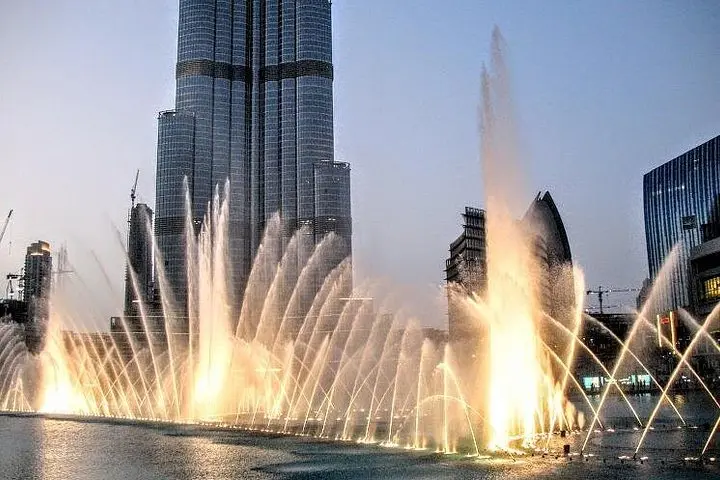
You step off the Palm Deira metro into a city that still remembers the creek: heat rises from sun-baked stone, spices breathe from open sacks, and the wooden abra tugs at the current as if daring you to cross. The alleys of Al Fahidi unfold with wind towers casting patterned shade; falcons of trade—gold, coffee, cloth—circle the souks while a guide threads local history into each turn.
You step off the Palm Deira metro into a city that still remembers the creek: heat rises from sun-baked stone, spices breathe from open sacks, and the wooden abra tugs at the current as if daring you to cross. The alleys of Al Fahidi unfold with wind towers casting patterned shade; falcons of trade—gold, coffee, cloth—circle the souks while a guide threads local history into each turn.
Dubai Creek carved this place into a trading hub long before skyscrapers. What began as a pearling and fishing economy left a compact urban core of stone fortifications—Al Fahidi Fort—and narrow lanes where tradespeople once bartered across thresholds. The Barjeel wind towers still funnel cooling air; the Dubai Coffee Museum preserves the rituals of roast and pour that fueled caravan routes. Cultural layers include Hindu and Islamic houses of worship and textile markets reflecting centuries of regional exchange.
Practically: this private, five-hour walking tour covers the old fish market, fruit and vegetable stalls at the creek, the Gold and Spice Souks, an abra crossing, Hindu temple, Bur Dubai textile souk, Al Fahidi Historical Neighbourhood, Al Fahidi Fort (Dubai Museum), and the Coffee Museum with tastings and a camel burger sample. Guides are highly rated on TripAdvisor and the tour is customizable.
Prepare for a moderate amount of walking on uneven cobbles; bring sun protection, refillable water, and modest clothing (knees and shoulders covered) for religious sites and some museums. Start early to avoid midday heat; carry small change for the abra and souk purchases. Respect local customs, and let the guide point you to quieter lanes and hidden courtyards that reveal Dubai’s quieter past.