THE ADVENTURE COLLECTIVE® · Independent discovery and booking for outdoor travel

A private, full-day tour that times sunrise at Angkor Wat, explores the smiling faces of Bayon, and frames Ta Prohm’s tree-clad ruins—with a guide, photographer and private vehicle included. Practical tips and what to expect for a 6–7 hour temple circuit.
A private, full-day tour that times sunrise at Angkor Wat, explores the smiling faces of Bayon, and frames Ta Prohm’s tree-clad ruins—with a guide, photographer and private vehicle included. Practical tips and what to expect for a 6–7 hour temple circuit.
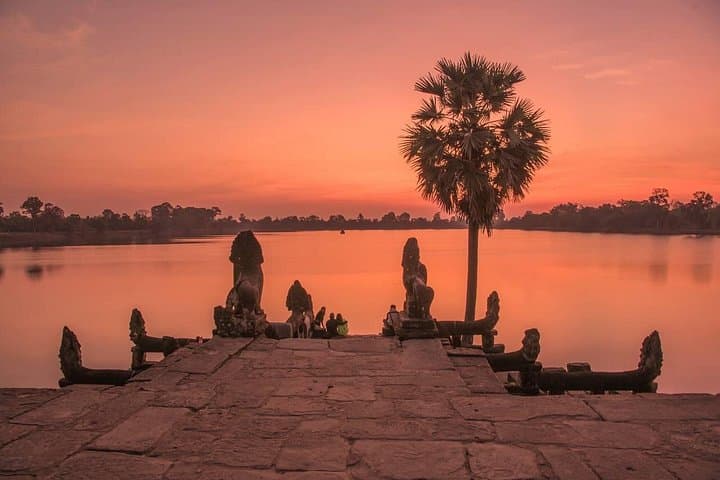
You arrive before dawn and the causeway is cool underfoot; the reflection pool holds the first thin light while the stone waits to be seen. Angkor Wat opens slowly—towers and bas-reliefs emerging from the mist—then the tour moves inward, through carved galleries and courtyards where a private guide sets the scene.
Verified experiences and guided adventures in the surrounding area.
Operated by Angkor wat guía en español · Siem Reap, Siem Reap
You arrive before dawn and the causeway is cool underfoot; the reflection pool holds the first thin light while the stone waits to be seen. Angkor Wat opens slowly—towers and bas-reliefs emerging from the mist—then the tour moves inward, through carved galleries and courtyards where a private guide sets the scene.
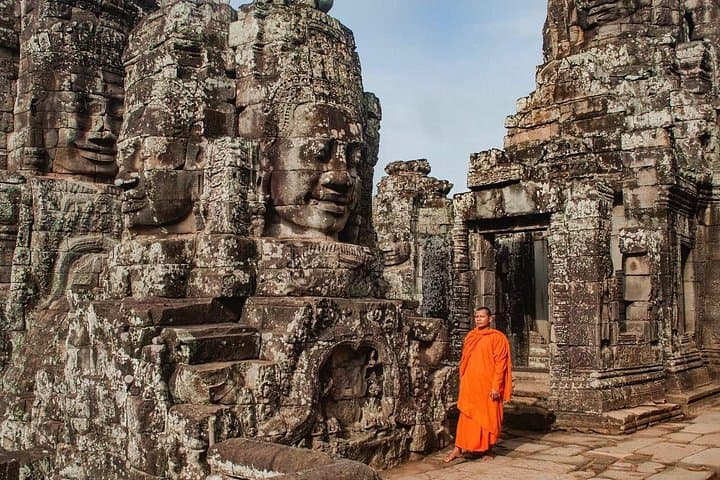
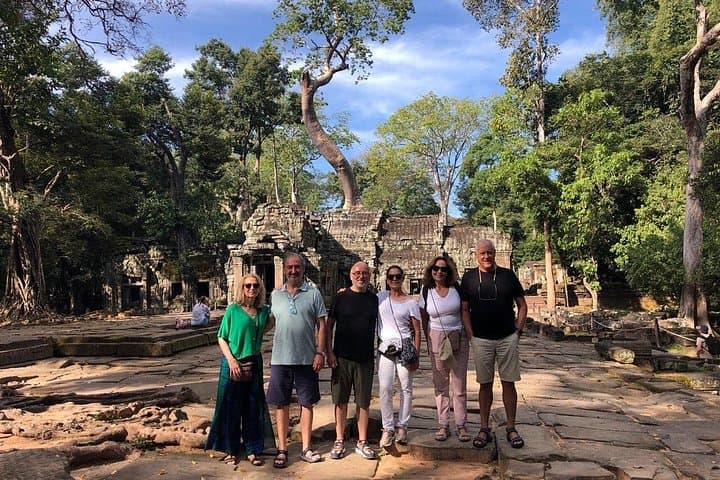
These are monuments of the Khmer Empire: Angkor Wat, raised in the early 12th century as a state temple and mausoleum for King Suryavarman II; Bayon, centered in Angkor Thom and reworked by Jayavarman VII with its famous carved faces; and Ta Prohm, left with its trees growing through galleries after centuries of abandonment. The temples are built of sandstone and laterite—soft blocks carved when wet, hardened by sun—and the site’s moats and barays reflect an ancient hydraulic ambition as much as geometry.
A private tour with a guide and photographer gives access to compositional vantage points and quieter corners that self-guided visitors often miss. Practicalities matter: the Angkor Pass is purchased at the ticket center in Siem Reap and is not included. Expect uneven steps, humid heat, and crowded sunrise views.
Bring a hat, refillable water, sturdy shoes, and a light cover for sudden rain. Dress respectfully—shoulders and knees covered—carry cash or card for entrance fees and tips, and plan for 6–7 hours with hotel pickup and drop-off. With that preparation, the stones speak clearly: history in carved faces, roots that claim walls, and mornings that dare you to keep walking.
No—this tour does not include the Angkor Pass; you must buy entrance tickets at the official ticket center in Siem Reap before the tour.
The tour runs about 6–7 hours and includes hotel pickup and drop-off in Siem Reap as part of the private-car service.
Some areas are stroller-accessible and certain pathways are manageable, but many sections have steep worn steps and uneven surfaces—ask your guide about alternatives.
Photography is allowed in most public areas of the temples; avoid using tripods in crowded zones and be respectful in active worship spaces.
Angkor wat guía en español operates guided outdoor trips and adventures with an emphasis on safety, stewardship, and memorable experiences.
You arrive before dawn and the causeway is cool underfoot; the reflection pool holds the first thin light while the stone waits to be seen. Angkor Wat opens slowly—towers and bas-reliefs emerging from the mist—then the tour moves inward, through carved galleries and courtyards where a private guide sets the scene.
You arrive before dawn and the causeway is cool underfoot; the reflection pool holds the first thin light while the stone waits to be seen. Angkor Wat opens slowly—towers and bas-reliefs emerging from the mist—then the tour moves inward, through carved galleries and courtyards where a private guide sets the scene.
These are monuments of the Khmer Empire: Angkor Wat, raised in the early 12th century as a state temple and mausoleum for King Suryavarman II; Bayon, centered in Angkor Thom and reworked by Jayavarman VII with its famous carved faces; and Ta Prohm, left with its trees growing through galleries after centuries of abandonment. The temples are built of sandstone and laterite—soft blocks carved when wet, hardened by sun—and the site’s moats and barays reflect an ancient hydraulic ambition as much as geometry.
A private tour with a guide and photographer gives access to compositional vantage points and quieter corners that self-guided visitors often miss. Practicalities matter: the Angkor Pass is purchased at the ticket center in Siem Reap and is not included. Expect uneven steps, humid heat, and crowded sunrise views.
Bring a hat, refillable water, sturdy shoes, and a light cover for sudden rain. Dress respectfully—shoulders and knees covered—carry cash or card for entrance fees and tips, and plan for 6–7 hours with hotel pickup and drop-off. With that preparation, the stones speak clearly: history in carved faces, roots that claim walls, and mornings that dare you to keep walking.