THE ADVENTURE COLLECTIVE® · Independent discovery and booking for outdoor travel

Cross one of the world’s highest non-technical passes on this private Annapurna Circuit trek. Expect high-altitude landscapes, village hospitality, and a demanding but non-technical climb over Thorong La.
Cross one of the world’s highest non-technical passes on this private Annapurna Circuit trek. Expect high-altitude landscapes, village hospitality, and a demanding but non-technical climb over Thorong La.
A wind-swept dawn on the Annapurna Circuit begins with headlamps bobbing along a narrow trail; prayer flags snap like small cymbals above gullies carved by ancient glaciers. As the group gains contour and altitude, the valley opens—terraced fields give way to alpine rock and then the stark, wind-polished shoulders that lead to Thorong La.
Verified experiences and guided adventures in the surrounding area.
Operated by MTA Trekking · Manang, Gandaki Province
A wind-swept dawn on the Annapurna Circuit begins with headlamps bobbing along a narrow trail; prayer flags snap like small cymbals above gullies carved by ancient glaciers. As the group gains contour and altitude, the valley opens—terraced fields give way to alpine rock and then the stark, wind-polished shoulders that lead to Thorong La.
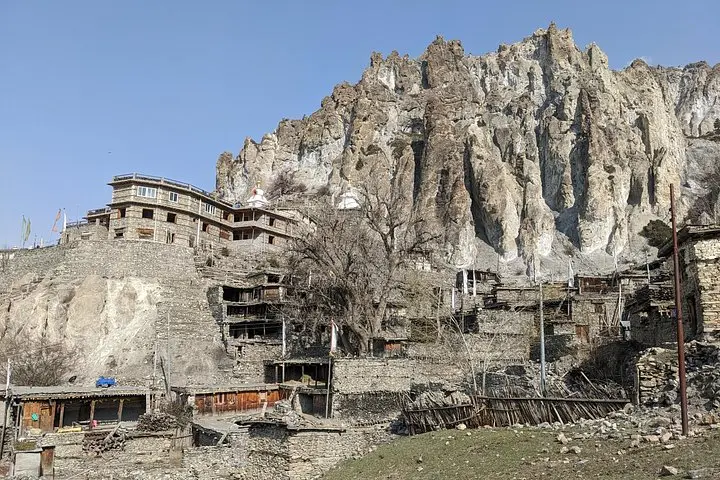
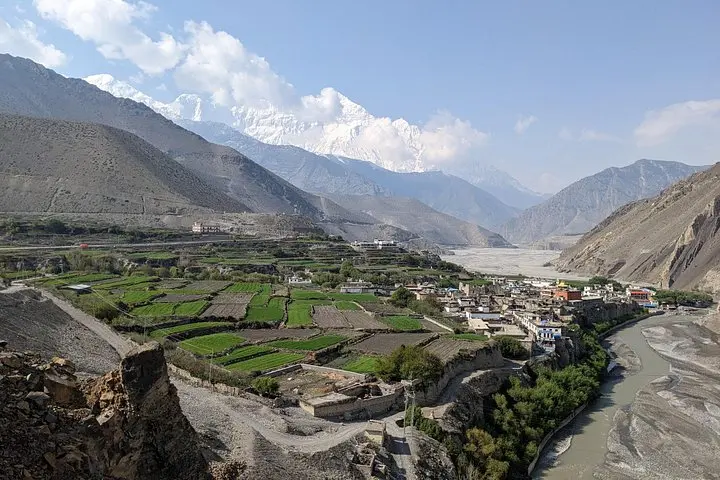
The route threads centuries of human movement: Gurung and Magar farmsteads, Buddhist mani walls, and the yak-herding corridors that once linked Tibetan trade. Geologically, the circuit exposes Nepal’s uplifted crust—steep metamorphic cliffs, glacial moraines, and the broad Kali Gandaki gorge that slices between Annapurna and Dhaulagiri.
Culturally, Manang and Muktinath offer glimpses of Himalayan spirituality and rural hospitality—simple teahouses, monastery courtyards, and local bakeries where barley and yak butter still feed trekkers and herders alike. Wildlife is subtle but present: Himalayan tahr and lammergeier ride the thermals; marmots pipe-scold from boulderfields.
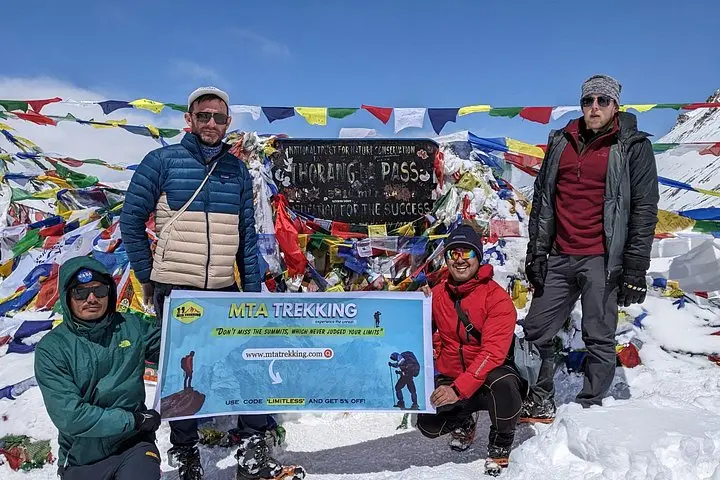
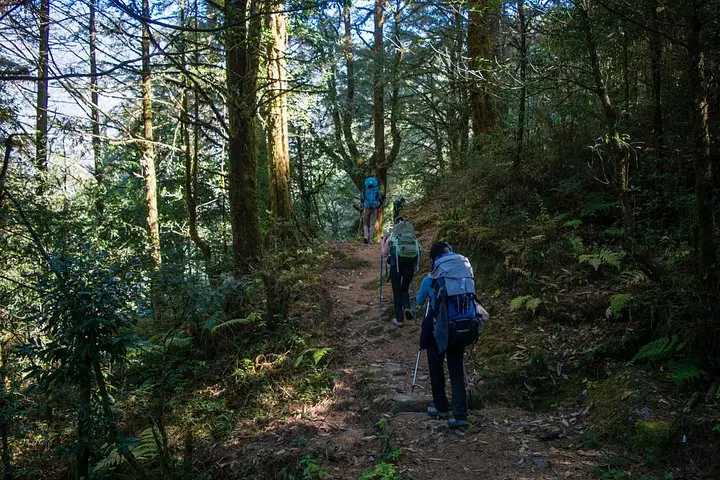
Practically, expect long days with large altitude swings—this itinerary includes acclimatization in Manang and the technical-free but high Thorong La pass at 5,416 m. Trails vary from packed earth to rocky scree; crampons are sometimes useful on shoulder sections. Water is available at teahouses but carry purification; cash is king for small purchases. Pace your ascent, use trekking poles, and plan for cold mornings and intense sun by midday. Logistics include permits (ACAP/TIMS), teahouse lodging, and a guide to manage weather, acclimatization, and cultural navigation. For those ready to trade comfort for panoramic summit days, the Annapurna Circuit delivers a sustained high-mountain experience that tests fitness, rewards patience, and leaves a clear imprint of Himalayan scale.
No—Thorong La is a high, non-technical mountain pass; the challenge is altitude and sustained ascent rather than technical rock or ice climbing.
Trek permits include the Annapurna Conservation Area Permit (ACAP) and TIMS card; these are usually handled during pre-departure or at registration points like Dharapani.
Temperatures at Thorong La can drop well below freezing, especially with wind chill; nights are very cold even in spring and fall.
AMS is a risk due to rapid elevation gains—proper acclimatization days, hydration, and monitoring symptoms are essential; descend if severe symptoms appear.
MTA Trekking operates guided outdoor trips and adventures with an emphasis on safety, stewardship, and memorable experiences.
A wind-swept dawn on the Annapurna Circuit begins with headlamps bobbing along a narrow trail; prayer flags snap like small cymbals above gullies carved by ancient glaciers. As the group gains contour and altitude, the valley opens—terraced fields give way to alpine rock and then the stark, wind-polished shoulders that lead to Thorong La.
A wind-swept dawn on the Annapurna Circuit begins with headlamps bobbing along a narrow trail; prayer flags snap like small cymbals above gullies carved by ancient glaciers. As the group gains contour and altitude, the valley opens—terraced fields give way to alpine rock and then the stark, wind-polished shoulders that lead to Thorong La.
The route threads centuries of human movement: Gurung and Magar farmsteads, Buddhist mani walls, and the yak-herding corridors that once linked Tibetan trade. Geologically, the circuit exposes Nepal’s uplifted crust—steep metamorphic cliffs, glacial moraines, and the broad Kali Gandaki gorge that slices between Annapurna and Dhaulagiri.
Culturally, Manang and Muktinath offer glimpses of Himalayan spirituality and rural hospitality—simple teahouses, monastery courtyards, and local bakeries where barley and yak butter still feed trekkers and herders alike. Wildlife is subtle but present: Himalayan tahr and lammergeier ride the thermals; marmots pipe-scold from boulderfields.
Practically, expect long days with large altitude swings—this itinerary includes acclimatization in Manang and the technical-free but high Thorong La pass at 5,416 m. Trails vary from packed earth to rocky scree; crampons are sometimes useful on shoulder sections. Water is available at teahouses but carry purification; cash is king for small purchases. Pace your ascent, use trekking poles, and plan for cold mornings and intense sun by midday. Logistics include permits (ACAP/TIMS), teahouse lodging, and a guide to manage weather, acclimatization, and cultural navigation. For those ready to trade comfort for panoramic summit days, the Annapurna Circuit delivers a sustained high-mountain experience that tests fitness, rewards patience, and leaves a clear imprint of Himalayan scale.