THE ADVENTURE COLLECTIVE® · Independent discovery and booking for outdoor travel

Spend a full day exploring Lower Antelope Canyon’s twisting sandstone corridors and the sweeping overlook at Horseshoe Bend on this private tour from Sedona or Flagstaff. Expect dramatic light, Navajo-guided access, and a long but accessible day of walking and short hikes.
Spend a full day exploring Lower Antelope Canyon’s twisting sandstone corridors and the sweeping overlook at Horseshoe Bend on this private tour from Sedona or Flagstaff. Expect dramatic light, Navajo-guided access, and a long but accessible day of walking and short hikes.
You step into the windshield of an air-conditioned van before dawn and the red earth slides by as the highway heads north. By mid-morning the light changes — desert sun striking orange cliffs, the Colorado River daring you from below, and slot-canyon walls that fold in tight enough to make the air feel cooler and more intimate.
Verified experiences and guided adventures in the surrounding area.
Operated by BARBIL TOURS · Page, Arizona
You step into the windshield of an air-conditioned van before dawn and the red earth slides by as the highway heads north. By mid-morning the light changes — desert sun striking orange cliffs, the Colorado River daring you from below, and slot-canyon walls that fold in tight enough to make the air feel cooler and more intimate.
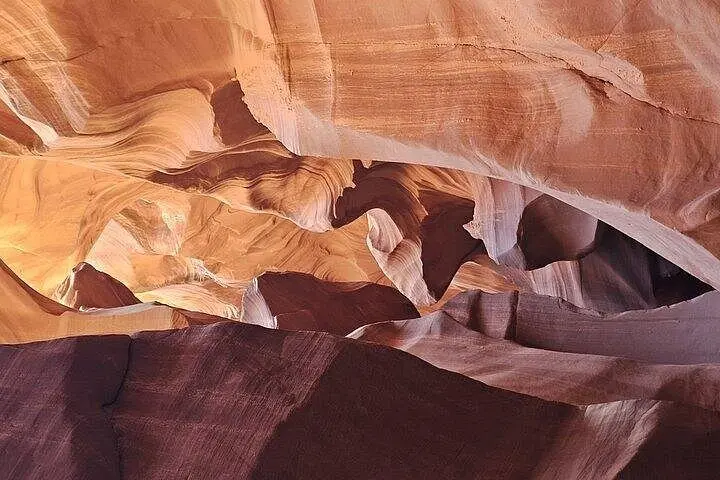
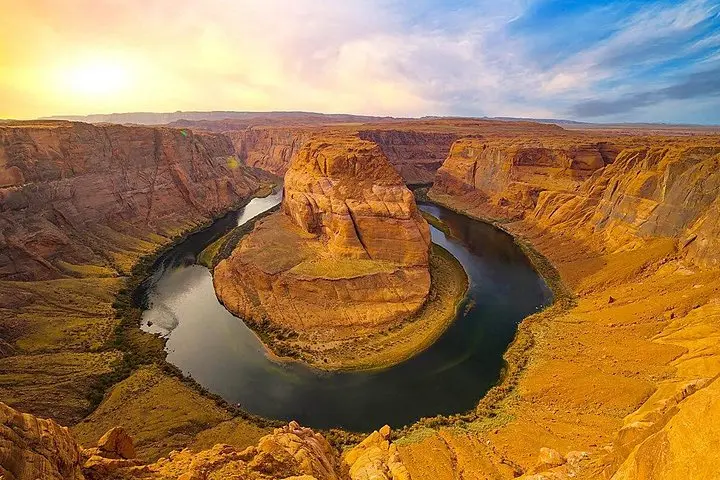
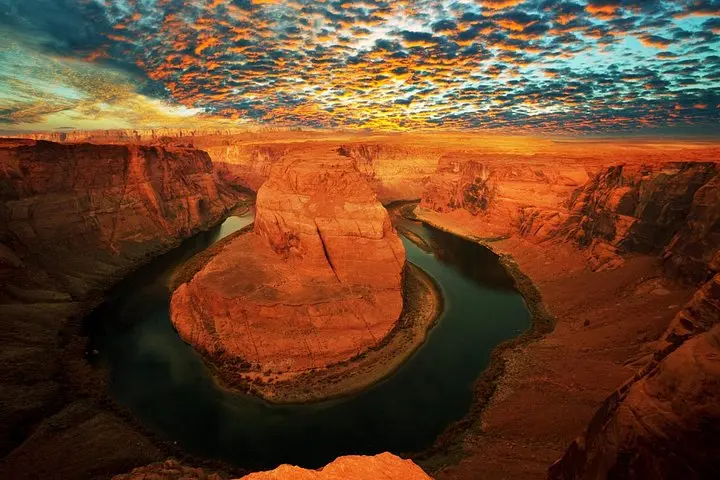
Lower Antelope Canyon, carved from Navajo sandstone over millions of years, reveals narrow corridors shaped by flash floods; the rock seems to have been twisted by wind and water into spirals and ribs. Horseshoe Bend offers a cinematic counterpoint: a broad overlook where the Colorado River loops turquoise against sheer, rust-colored cliffs. Along the way, Glen Canyon Dam and Cameron Trading Post provide cultural and industrial context — the dam reshaped the river and Lake Powell reshaped the local landscape, while Cameron preserves Navajo crafts and regional flavors.
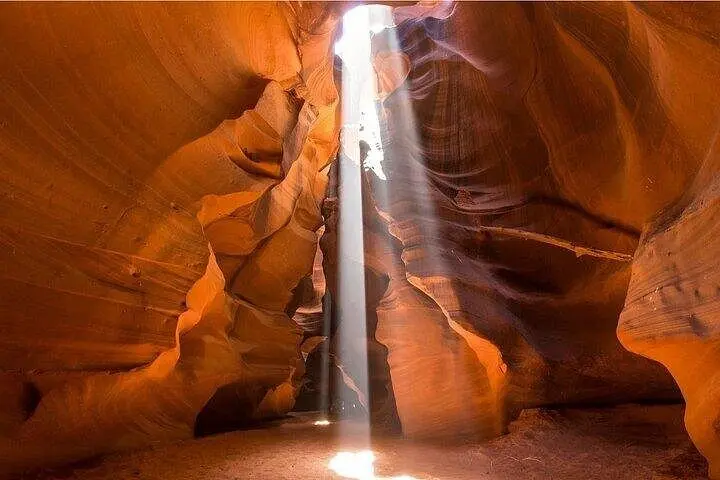
Practical guidance: this is a long, private-day tour (roughly 9–11 hours) that includes guided entry onto Navajo Nation land; bring printed or mobile permits if required, sun protection, and at least 2 liters of water. Lower Antelope’s corridors involve stairs and narrow passages; those with mobility or serious back problems should plan accordingly. Photography is excellent—midday shafts in Upper Antelope, golden edges in Lower—but follow your guide and keep a respectful distance from sacred sites.
Timing the visit for softer morning or late-afternoon light reduces crowds and heat. Dress in layers, carry sun protection, and listen to your guide: the landscape is striking, but it also demands respect.
Yes — Antelope Canyon is on Navajo Nation land and access requires a guided tour with a permitted operator; your booking typically includes the required access.
Horseshoe Bend is a roughly 1.5-mile round trip with a modest elevation change and minimal technical difficulty; Lower Antelope includes narrow passages and stairs but is generally manageable for those without severe mobility limitations.
Flash floods can occur in slot canyons during monsoon season; operators monitor conditions and tours may be canceled for safety. Expect hot, dry conditions most of the year and dress accordingly.
Yes; photography is permitted but guided rules vary—tripods may be restricted during peak visits and guides will direct where to stand to protect both visitors and sacred spaces.
BARBIL TOURS operates guided outdoor trips and adventures with an emphasis on safety, stewardship, and memorable experiences.
You step into the windshield of an air-conditioned van before dawn and the red earth slides by as the highway heads north. By mid-morning the light changes — desert sun striking orange cliffs, the Colorado River daring you from below, and slot-canyon walls that fold in tight enough to make the air feel cooler and more intimate.
You step into the windshield of an air-conditioned van before dawn and the red earth slides by as the highway heads north. By mid-morning the light changes — desert sun striking orange cliffs, the Colorado River daring you from below, and slot-canyon walls that fold in tight enough to make the air feel cooler and more intimate.
Lower Antelope Canyon, carved from Navajo sandstone over millions of years, reveals narrow corridors shaped by flash floods; the rock seems to have been twisted by wind and water into spirals and ribs. Horseshoe Bend offers a cinematic counterpoint: a broad overlook where the Colorado River loops turquoise against sheer, rust-colored cliffs. Along the way, Glen Canyon Dam and Cameron Trading Post provide cultural and industrial context — the dam reshaped the river and Lake Powell reshaped the local landscape, while Cameron preserves Navajo crafts and regional flavors.
Practical guidance: this is a long, private-day tour (roughly 9–11 hours) that includes guided entry onto Navajo Nation land; bring printed or mobile permits if required, sun protection, and at least 2 liters of water. Lower Antelope’s corridors involve stairs and narrow passages; those with mobility or serious back problems should plan accordingly. Photography is excellent—midday shafts in Upper Antelope, golden edges in Lower—but follow your guide and keep a respectful distance from sacred sites.
Timing the visit for softer morning or late-afternoon light reduces crowds and heat. Dress in layers, carry sun protection, and listen to your guide: the landscape is striking, but it also demands respect.