THE ADVENTURE COLLECTIVE® · Independent discovery and booking for outdoor travel

Spend four hours moving through film, photographs and artefacts that trace apartheid’s institutions and the people who resisted them. This private tour pairs a self-guided museum route with a guide on hand to answer questions and add local context.
Spend four hours moving through film, photographs and artefacts that trace apartheid’s institutions and the people who resisted them. This private tour pairs a self-guided museum route with a guide on hand to answer questions and add local context.
You step off the vehicle and the low, modern concrete of the Apartheid Museum absorbs the Johannesburg light — a compact campus that holds the loud and quiet parts of 20th-century South Africa.
Verified experiences and guided adventures in the surrounding area.
Operated by Ulysses Tours & Safaris cc · Johannesburg, Gauteng
You step off the vehicle and the low, modern concrete of the Apartheid Museum absorbs the Johannesburg light — a compact campus that holds the loud and quiet parts of 20th-century South Africa.
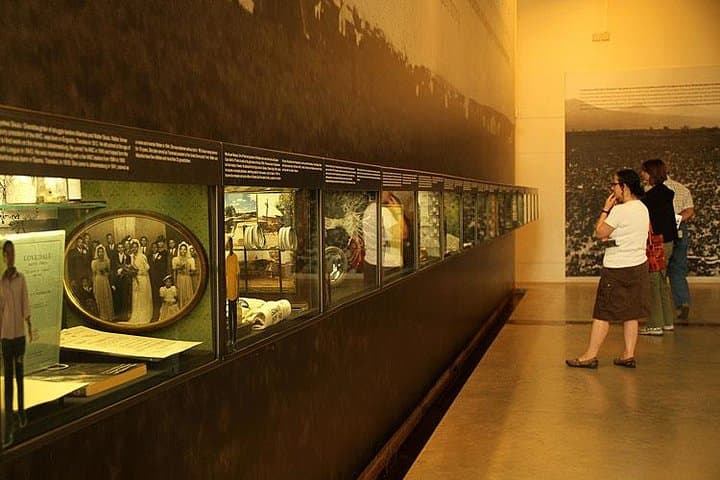
Inside, the route moves like a narrative corridor: film, photographs and artefacts lead through segregation laws, resistance movements and the negotiated transition to democracy. The museum opened in 2001 and uses 22 exhibition areas to map policy, protest and personal stories; nearby, the city's gold-mining geology and the growth of Johannesburg provide the economic backdrop to the social history on display.
Culturally, the museum sits across from the stories of Soweto — the Hector Pieterson Memorial and the homes of leaders like Nelson Mandela — creating a wider context you can explore before or after the visit. Expect candid photographs, court documents and recorded testimony that make the past immediate without theatrical flourish.
Practical guidance: the standard private tour runs about four hours including hotel pickup and drop-off; admission is normally included. The route is wheelchair accessible, and the pace is self-guided with a host available for questions. Midday visits avoid the largest school groups; mornings are quieter for reflective reading. Photography is generally allowed but observe signage in specific galleries. Bring a water bottle, comfortable shoes for walking between displays, and a charged phone for digital tickets. If you plan to extend into Soweto or Constitution Hill afterward, allow extra travel time — Johannesburg traffic moves fast and unpredictably.
Yes—admission to the museum is included in the standard itinerary for this private tour.
Yes—the museum and its surfaces are wheelchair accessible and the service notes confirm accessibility.
Photography is generally permitted but some exhibits may restrict flash or close-up images; follow posted rules in each gallery.
Full refunds are available if you cancel at least 24 hours before the scheduled departure time; cancellations within 24 hours are non‑refundable.
Ulysses Tours & Safaris cc operates guided outdoor trips and adventures with an emphasis on safety, stewardship, and memorable experiences.
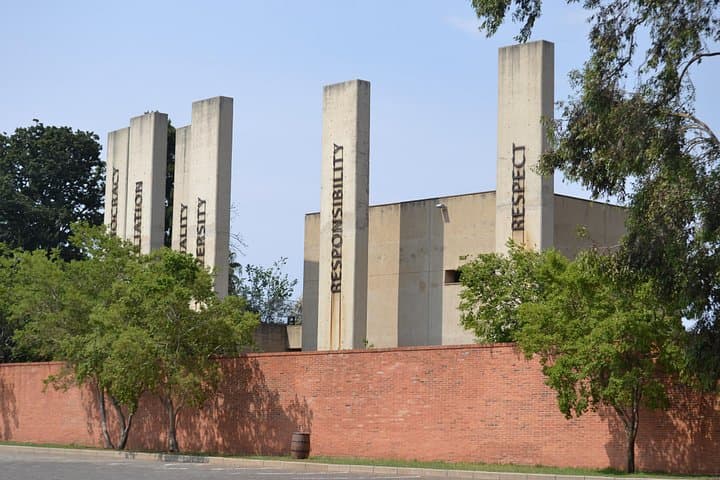
You step off the vehicle and the low, modern concrete of the Apartheid Museum absorbs the Johannesburg light — a compact campus that holds the loud and quiet parts of 20th-century South Africa.
You step off the vehicle and the low, modern concrete of the Apartheid Museum absorbs the Johannesburg light — a compact campus that holds the loud and quiet parts of 20th-century South Africa.
Inside, the route moves like a narrative corridor: film, photographs and artefacts lead through segregation laws, resistance movements and the negotiated transition to democracy. The museum opened in 2001 and uses 22 exhibition areas to map policy, protest and personal stories; nearby, the city's gold-mining geology and the growth of Johannesburg provide the economic backdrop to the social history on display.
Culturally, the museum sits across from the stories of Soweto — the Hector Pieterson Memorial and the homes of leaders like Nelson Mandela — creating a wider context you can explore before or after the visit. Expect candid photographs, court documents and recorded testimony that make the past immediate without theatrical flourish.
Practical guidance: the standard private tour runs about four hours including hotel pickup and drop-off; admission is normally included. The route is wheelchair accessible, and the pace is self-guided with a host available for questions. Midday visits avoid the largest school groups; mornings are quieter for reflective reading. Photography is generally allowed but observe signage in specific galleries. Bring a water bottle, comfortable shoes for walking between displays, and a charged phone for digital tickets. If you plan to extend into Soweto or Constitution Hill afterward, allow extra travel time — Johannesburg traffic moves fast and unpredictably.