THE ADVENTURE COLLECTIVE® · Independent discovery and booking for outdoor travel

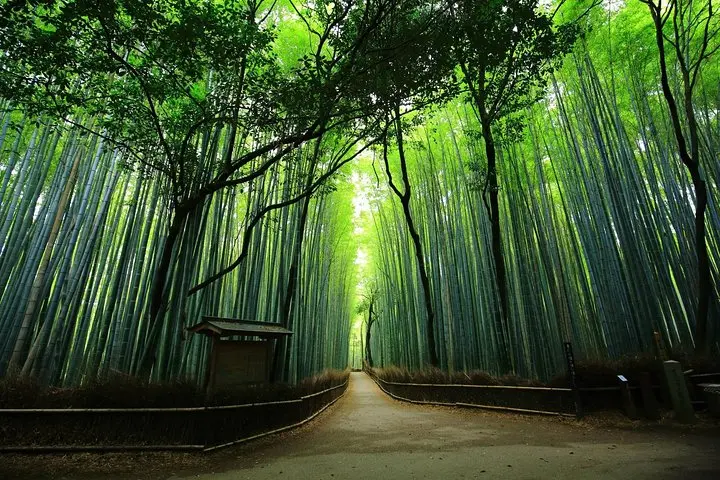
Walk the famous Arashiyama bamboo grove and cross the historic Togetsukyo Bridge with a licensed English-speaking guide. This private, customizable 6-hour tour combines UNESCO temples, moss gardens, and quiet local lanes for a deeper look at Kyoto's western outskirts.
Walk the famous Arashiyama bamboo grove and cross the historic Togetsukyo Bridge with a licensed English-speaking guide. This private, customizable 6-hour tour combines UNESCO temples, moss gardens, and quiet local lanes for a deeper look at Kyoto's western outskirts.
You step off the tram onto the wooden span of Togetsukyo Bridge as the river drafts a cool, moving mirror beneath your feet. Bamboo groves rise like columns to the west, their leaves whispering in a wind that seems to sort the day into slow, deliberate beats.
Verified experiences and guided adventures in the surrounding area.
Operated by Japan Guide Agency · Kyoto, Kyoto Prefecture
You step off the tram onto the wooden span of Togetsukyo Bridge as the river drafts a cool, moving mirror beneath your feet. Bamboo groves rise like columns to the west, their leaves whispering in a wind that seems to sort the day into slow, deliberate beats.
Arashiyama and adjacent Sagano have drawn visitors since the Heian court sought seasonal refuge here over 1,000 years ago. The landscape is volcanic in origin—low forested ridges formed from ancient lava and river terraces—so temples perch on slopes with ponds and stepping-stone paths that redirect both view and mind. Tenryu-ji, a UNESCO site, preserves Muromachi-era garden design; further along, Jojakko-ji and Gioji offer moss gardens and maple stands that change character with each season.
This private, customizable walking tour (about 6 hours) pairs a National Government Licensed Guide Interpreter with a flexible route—choose three to four sites from a long list of temples, villas, and rural shrines. Expect 4–7 km of mostly easy walking with short stair sections and occasional uneven temple steps; some outlooks require modest climbs of under 200 m cumulative gain.
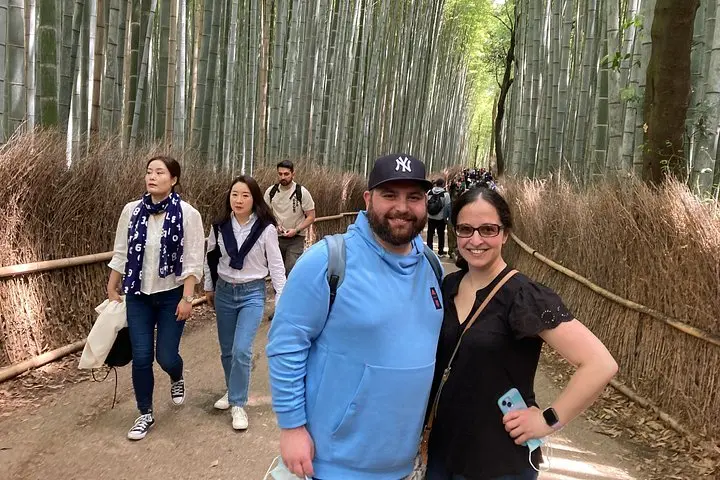
Practical notes: mornings beat the crowds and make light good for photos; bring cash for small tea houses and shrine donations; respectful silence, modest dress, and shoe removal at certain buildings are standard. Guides can tailor timing to cherry blossoms, fall color, or quieter weekdays, and will point out lesser-known lanes, craft workshops, and local eateries along the way. Hydrate, wear supportive shoes, and leave room in your schedule to sit at a riverside café—Arashiyama's calm is as much a destination as its sights.
Yes—many paths are stroller-accessible and the tour is designed for all fitness levels; note some temples require short stair climbs where stroller use may be limited.
Yes—the private tour is customizable; you'll choose three to four must-see spots from the provided list when booking to shape the itinerary.
Admissions are generally not included; your guide will advise on fees for sites like Villa tours and can arrange timings accordingly.
This listing is a private tour; capacity is flexible but confirm maximum group size with the operator when booking for larger parties.
Japan Guide Agency operates guided outdoor trips and adventures with an emphasis on safety, stewardship, and memorable experiences.
You step off the tram onto the wooden span of Togetsukyo Bridge as the river drafts a cool, moving mirror beneath your feet. Bamboo groves rise like columns to the west, their leaves whispering in a wind that seems to sort the day into slow, deliberate beats.
You step off the tram onto the wooden span of Togetsukyo Bridge as the river drafts a cool, moving mirror beneath your feet. Bamboo groves rise like columns to the west, their leaves whispering in a wind that seems to sort the day into slow, deliberate beats.
Arashiyama and adjacent Sagano have drawn visitors since the Heian court sought seasonal refuge here over 1,000 years ago. The landscape is volcanic in origin—low forested ridges formed from ancient lava and river terraces—so temples perch on slopes with ponds and stepping-stone paths that redirect both view and mind. Tenryu-ji, a UNESCO site, preserves Muromachi-era garden design; further along, Jojakko-ji and Gioji offer moss gardens and maple stands that change character with each season.
This private, customizable walking tour (about 6 hours) pairs a National Government Licensed Guide Interpreter with a flexible route—choose three to four sites from a long list of temples, villas, and rural shrines. Expect 4–7 km of mostly easy walking with short stair sections and occasional uneven temple steps; some outlooks require modest climbs of under 200 m cumulative gain.
Practical notes: mornings beat the crowds and make light good for photos; bring cash for small tea houses and shrine donations; respectful silence, modest dress, and shoe removal at certain buildings are standard. Guides can tailor timing to cherry blossoms, fall color, or quieter weekdays, and will point out lesser-known lanes, craft workshops, and local eateries along the way. Hydrate, wear supportive shoes, and leave room in your schedule to sit at a riverside café—Arashiyama's calm is as much a destination as its sights.