THE ADVENTURE COLLECTIVE® · Independent discovery and booking for outdoor travel

A private, full-day drive from Fairbanks to the Arctic Circle that threads mountain passes, Yukon River flats and tundra. Expect a 10–12 hour trip with multiple photo stops, flexible pickup and chances to see the Northern Lights in winter.
A private, full-day drive from Fairbanks to the Arctic Circle that threads mountain passes, Yukon River flats and tundra. Expect a 10–12 hour trip with multiple photo stops, flexible pickup and chances to see the Northern Lights in winter.
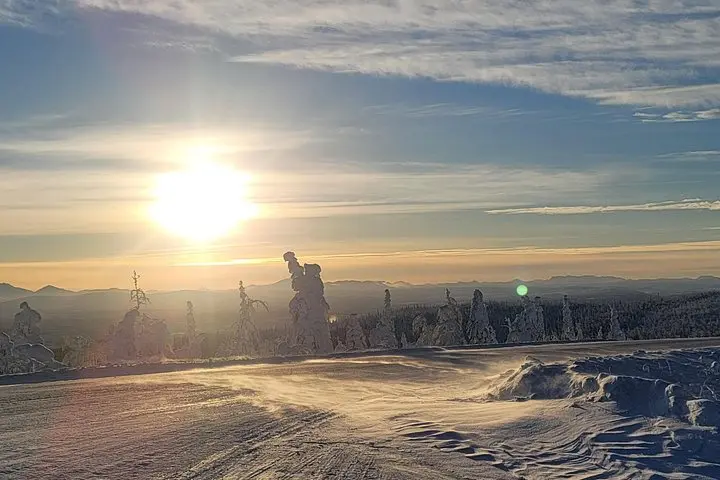
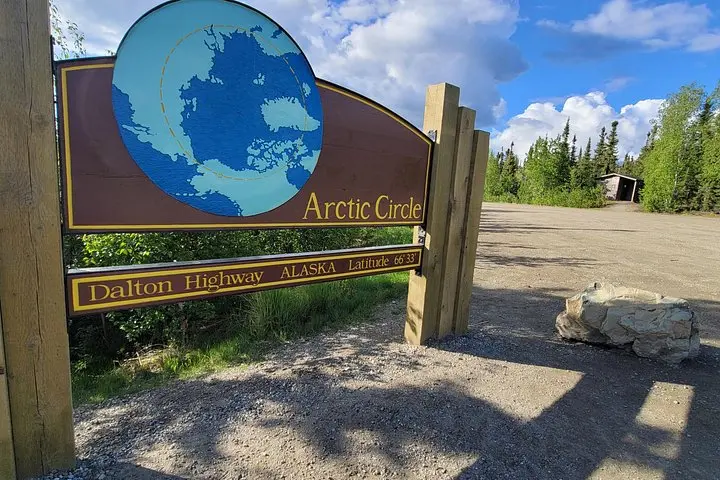
You pull on a thick parka, step into a heated Sequoia and the road slides open ahead—an hour of taiga, then river flats, then the flat horizon where the Arctic Circle sign waits like a punctuation mark in snow or low summer light.
Verified experiences and guided adventures in the surrounding area.
Operated by Ian Lee · Fairbanks, Alaska
You pull on a thick parka, step into a heated Sequoia and the road slides open ahead—an hour of taiga, then river flats, then the flat horizon where the Arctic Circle sign waits like a punctuation mark in snow or low summer light.
The route follows old trade and supply corridors carved deeper in the 20th century when the Dalton Highway was built to serve Alaska’s oilfields; older still are the lands of Interior Alaska’s Athabascan peoples. Geologically the drive moves from forested river valleys to low-lying tundra where permafrost undercuts thin soils and sculpted rock ribs rise through mountain passes.
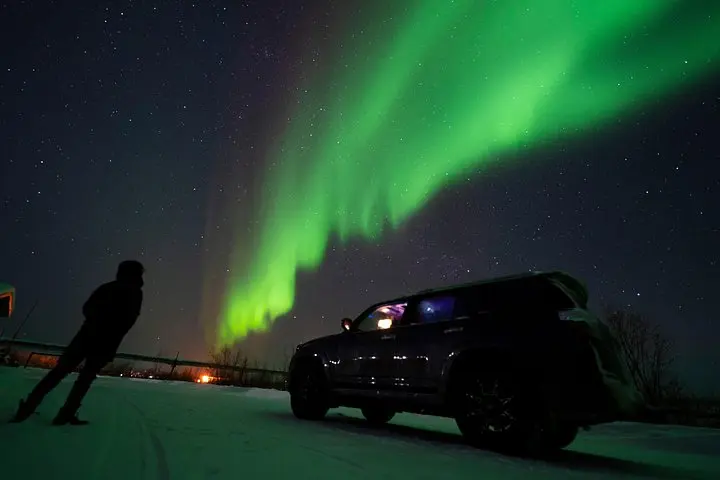
Culturally this is boundary country: small camps, fuel stops and the Yukon River bridge that has long been a refueling and photography hinge for travelers. In winter the aurora often crowns the flat riverbanks; in summer the light stretches on and the tundra pushes wildflowers and mosquitoes with equal determination.
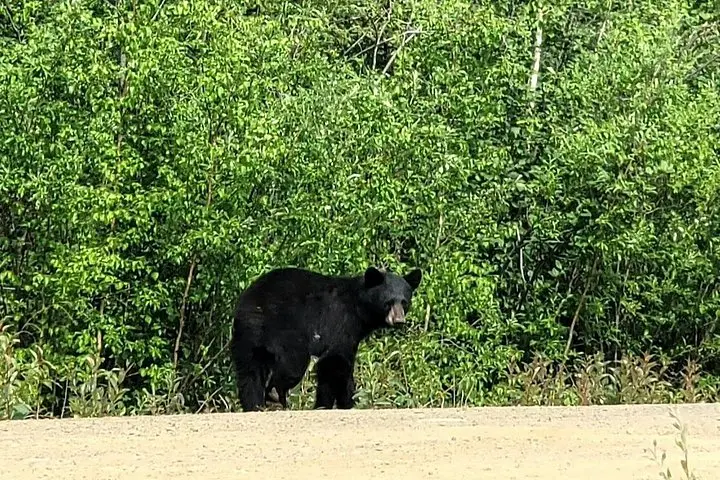
Practical guidance: expect a 10–12 hour day with multiple photo stops and short walks; most stops are roadside with basic amenities at the Yukon River camp. Dress in warm, layered clothing and waterproof boots; bring food, water, and a charged camera battery. Weather can close passes—your driver monitors conditions and the tour is adjustable for visibility and comfort. Plan for long stretches without services, keep movement slow to watch for wildlife, and allow time at the Arctic Circle sign to take in the silence.
This private run gives flexibility—request extra stops, time for aurora viewing, or longer breaks along the Yukon to turn the boundary between worlds into your own outdoor corridor.
The tour runs about 10–12 hours total depending on weather and how long you spend at stops; return time is scheduled with your pickup window and adjusted the day of the trip.
Yes—this private tour is rated easy and allows infants in strollers or on laps; notify the operator about any special needs when booking.
Yes—the private nature of the tour lets you request additional photo stops or extended time at locations subject to road and weather conditions.
Aurora season runs roughly late August through April with higher probability on clear, cold nights; guides adjust stops to maximize viewing when conditions are favorable.
Ian Lee operates guided outdoor trips and adventures with an emphasis on safety, stewardship, and memorable experiences.
You pull on a thick parka, step into a heated Sequoia and the road slides open ahead—an hour of taiga, then river flats, then the flat horizon where the Arctic Circle sign waits like a punctuation mark in snow or low summer light.
You pull on a thick parka, step into a heated Sequoia and the road slides open ahead—an hour of taiga, then river flats, then the flat horizon where the Arctic Circle sign waits like a punctuation mark in snow or low summer light.
The route follows old trade and supply corridors carved deeper in the 20th century when the Dalton Highway was built to serve Alaska’s oilfields; older still are the lands of Interior Alaska’s Athabascan peoples. Geologically the drive moves from forested river valleys to low-lying tundra where permafrost undercuts thin soils and sculpted rock ribs rise through mountain passes.
Culturally this is boundary country: small camps, fuel stops and the Yukon River bridge that has long been a refueling and photography hinge for travelers. In winter the aurora often crowns the flat riverbanks; in summer the light stretches on and the tundra pushes wildflowers and mosquitoes with equal determination.
Practical guidance: expect a 10–12 hour day with multiple photo stops and short walks; most stops are roadside with basic amenities at the Yukon River camp. Dress in warm, layered clothing and waterproof boots; bring food, water, and a charged camera battery. Weather can close passes—your driver monitors conditions and the tour is adjustable for visibility and comfort. Plan for long stretches without services, keep movement slow to watch for wildlife, and allow time at the Arctic Circle sign to take in the silence.
This private run gives flexibility—request extra stops, time for aurora viewing, or longer breaks along the Yukon to turn the boundary between worlds into your own outdoor corridor.