THE ADVENTURE COLLECTIVE® · Independent discovery and booking for outdoor travel

Walk from a lively Armenian market to the stone mouth of Areni-1, where one of the world’s oldest wine facilities and ancient artifacts were found. This private two-hour tour blends living culture, archaeology, and practical local insight.
Walk from a lively Armenian market to the stone mouth of Areni-1, where one of the world’s oldest wine facilities and ancient artifacts were found. This private two-hour tour blends living culture, archaeology, and practical local insight.
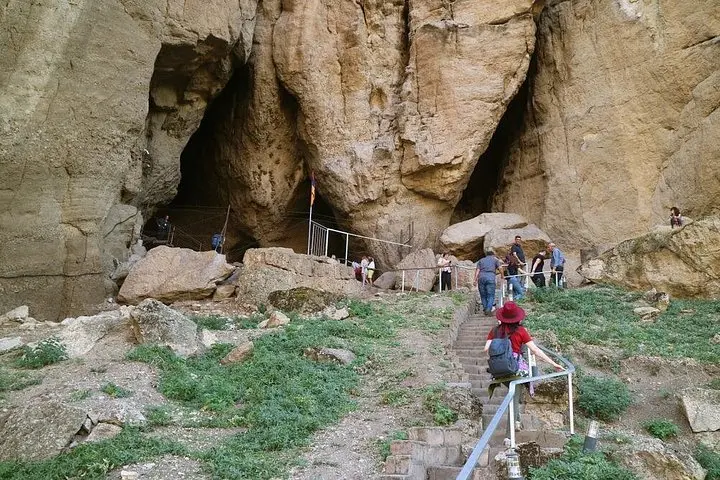
A cool morning in Vayots Dzor, the Arpa River moves with intent as the narrow road delivers you to Areni Market—smoke, spices, and conversation folding into the air. The tour begins amid stalls and small wine shops where locals sell fresh produce and home-pressed wine; from there the group moves uphill toward the Areni-1 cave, an archaeological pocket that still hums with stories.
Verified experiences and guided adventures in the surrounding area.
Operated by Opatrip.com Armenia · Areni, Vayots Dzor Province
A cool morning in Vayots Dzor, the Arpa River moves with intent as the narrow road delivers you to Areni Market—smoke, spices, and conversation folding into the air. The tour begins amid stalls and small wine shops where locals sell fresh produce and home-pressed wine; from there the group moves uphill toward the Areni-1 cave, an archaeological pocket that still hums with stories.
Areni-1 is famous for yielding one of the world’s oldest known winemaking facilities and a leather shoe dating to roughly 4000 BCE. The geology here is limestone and river-cut karst; caves form where water has convinced the rock to give way over millennia. Culturally, the route links living Armenian village life with a deep past—market vendors practice traditions that echo the artifacts archaeologists uncovered in the cave.
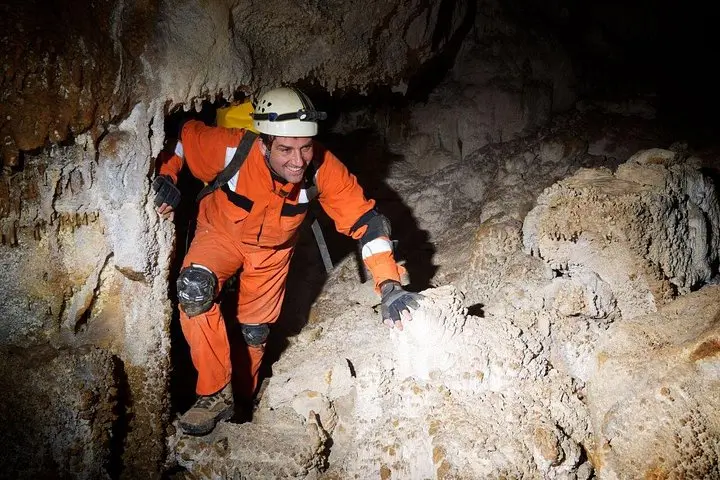
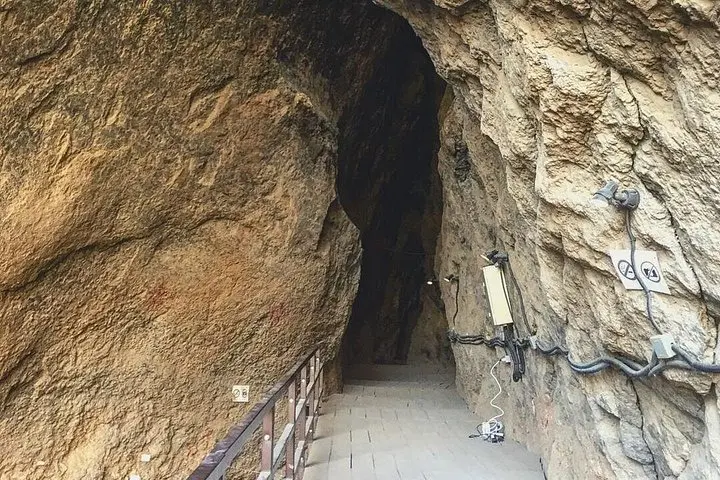
Practical guidance is straightforward: this is a two-hour, mostly on-foot experience that pairs street-level market walking with an uneven cave approach and low-ceiling passages. Expect short stair sections, loose gravel near the cave mouth and modest elevation change—suitable for those with moderate fitness. Timing matters: mornings are cooler and markets are busiest; bring cash for small purchases and plan for minimal facilities at the cave.
A private guide frames the history and points out artifacts and winemaking methods; photography is usually allowed but follow the guide’s lead around sensitive excavation areas. Hydrate, wear sturdy shoes, and allow time afterward to sample local Areni wines—this route connects tangible archaeology to everyday Armenian life in a compact, accessible outing.
The combined walking between market stalls and the cave mouth is short—generally under 1 kilometer total on a mostly uphill but gentle route.
The cave visit includes low ceilings, short stair sections, and uneven footing; it’s manageable for those with moderate fitness but not recommended for people with mobility limitations.
This private tour’s description notes admission is not included; check with the operator ahead of booking to confirm any site fees.
Market tastings or purchases of local wine are often available but optional; vendors typically accept cash and may offer small samples.
Opatrip.com Armenia operates guided outdoor trips and adventures with an emphasis on safety, stewardship, and memorable experiences.

A cool morning in Vayots Dzor, the Arpa River moves with intent as the narrow road delivers you to Areni Market—smoke, spices, and conversation folding into the air. The tour begins amid stalls and small wine shops where locals sell fresh produce and home-pressed wine; from there the group moves uphill toward the Areni-1 cave, an archaeological pocket that still hums with stories.
A cool morning in Vayots Dzor, the Arpa River moves with intent as the narrow road delivers you to Areni Market—smoke, spices, and conversation folding into the air. The tour begins amid stalls and small wine shops where locals sell fresh produce and home-pressed wine; from there the group moves uphill toward the Areni-1 cave, an archaeological pocket that still hums with stories.
Areni-1 is famous for yielding one of the world’s oldest known winemaking facilities and a leather shoe dating to roughly 4000 BCE. The geology here is limestone and river-cut karst; caves form where water has convinced the rock to give way over millennia. Culturally, the route links living Armenian village life with a deep past—market vendors practice traditions that echo the artifacts archaeologists uncovered in the cave.
Practical guidance is straightforward: this is a two-hour, mostly on-foot experience that pairs street-level market walking with an uneven cave approach and low-ceiling passages. Expect short stair sections, loose gravel near the cave mouth and modest elevation change—suitable for those with moderate fitness. Timing matters: mornings are cooler and markets are busiest; bring cash for small purchases and plan for minimal facilities at the cave.
A private guide frames the history and points out artifacts and winemaking methods; photography is usually allowed but follow the guide’s lead around sensitive excavation areas. Hydrate, wear sturdy shoes, and allow time afterward to sample local Areni wines—this route connects tangible archaeology to everyday Armenian life in a compact, accessible outing.