THE ADVENTURE COLLECTIVE® · Independent discovery and booking for outdoor travel

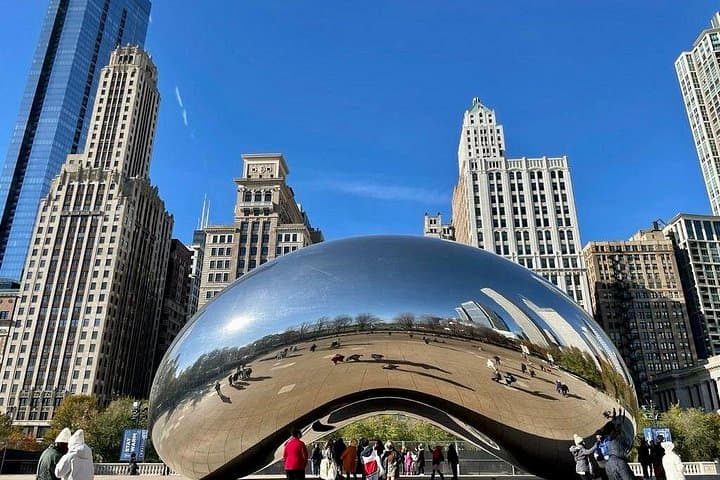
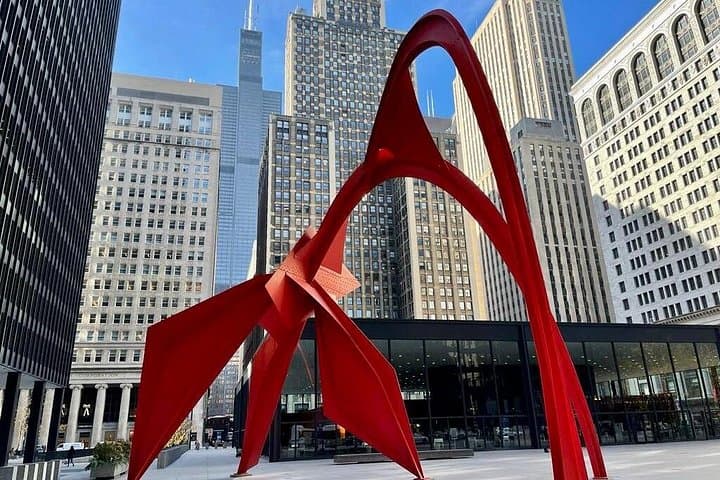
Explore downtown Chicago’s greatest public artworks on a 2.5-hour private walking tour. Visit Cloud Gate, Crown Fountain, Picasso’s sculpture and more while a guide explains the history and design choices that shaped the city.
Explore downtown Chicago’s greatest public artworks on a 2.5-hour private walking tour. Visit Cloud Gate, Crown Fountain, Picasso’s sculpture and more while a guide explains the history and design choices that shaped the city.
You meet the guide by the left lion outside the Art Institute, pavement warm beneath your shoes and the city breathing around you.
Verified experiences and guided adventures in the surrounding area.
Operated by Babylon Tours Chicago · Chicago, Illinois
You meet the guide by the left lion outside the Art Institute, pavement warm beneath your shoes and the city breathing around you.
The tour threads through the loop of glass and steel — Cloud Gate’s mirrored skin fogged by a winter breath, Crown Fountain’s videos of Chicago faces spitting clear water in summer — and places each work within the city’s pact with public space.
Chicago’s present-day public art grew from a practical rebirth after the Great Fire of 1871 and the rise of skyscraper engineering. Architects and patrons used plazas and parks as canvases; artists from Picasso to Anish Kapoor answered the challenge of scale in concrete and stainless steel. Geologically, you’re standing on a flat glacial plain at the edge of Lake Michigan, where broad sightlines let monumental pieces interact with skyline and sky.
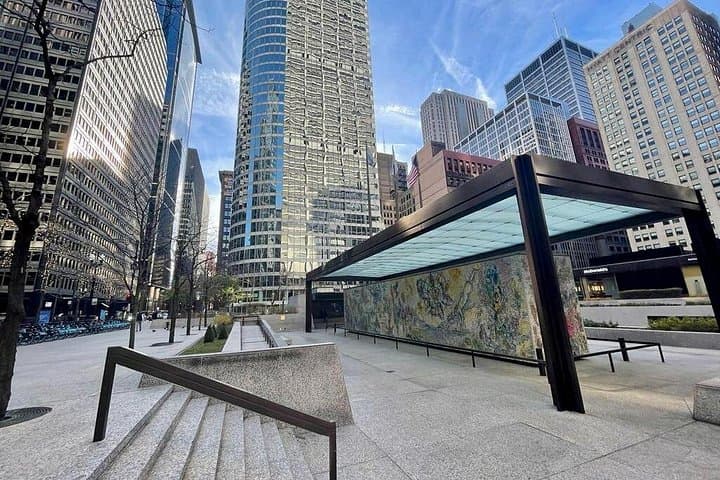
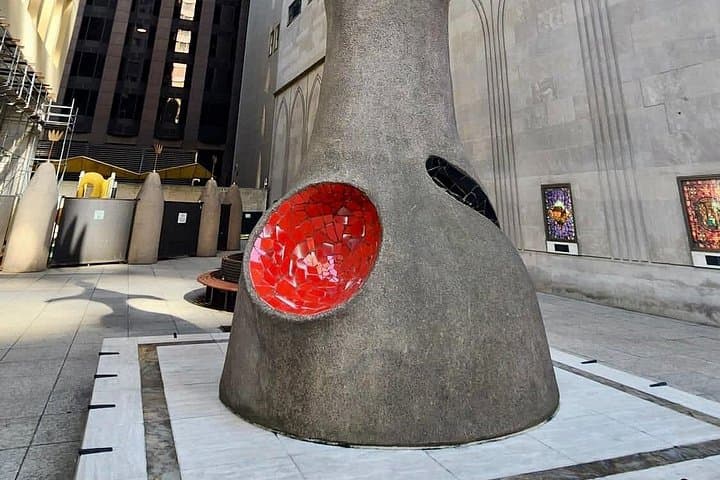
Culturally, the route sketches the city’s civic ambitions: fountains and mosaics that mark gathering places, sculptures that provoke conversation, murals that recall labor and music.
Practically: expect 2.5 hours of steady walking on paved sidewalks with frequent stops for close views and interpretation. The pace is accessible but requires two hours of standing and light walking; the route is wheelchair-friendly but check ahead for group size and accommodations. Bring a water bottle, weather-appropriate layers, a charged phone for photos, and a light rain jacket in spring and summer storms. Guides will point out the best angles for photos and quieter moments away from the crowds — arrive ten minutes early and be ready to see the city’s architecture and art together, not apart.
Outside the Art Institute of Chicago, 111 S. Michigan Ave — meet by the left lion when facing the main entrance; arrive at least 10 minutes early.
Yes — the route and many sights are wheelchair accessible; notify the operator ahead of time so they can accommodate your group.
This is a private tour tailored to your party size; confirm maximum numbers with the operator when booking to ensure group comfort.
Full refunds are available if you cancel at least 24 hours before the scheduled departure; shorter notice may not be refundable.
Babylon Tours Chicago operates guided outdoor trips and adventures with an emphasis on safety, stewardship, and memorable experiences.
You meet the guide by the left lion outside the Art Institute, pavement warm beneath your shoes and the city breathing around you.
You meet the guide by the left lion outside the Art Institute, pavement warm beneath your shoes and the city breathing around you.
The tour threads through the loop of glass and steel — Cloud Gate’s mirrored skin fogged by a winter breath, Crown Fountain’s videos of Chicago faces spitting clear water in summer — and places each work within the city’s pact with public space.
Chicago’s present-day public art grew from a practical rebirth after the Great Fire of 1871 and the rise of skyscraper engineering. Architects and patrons used plazas and parks as canvases; artists from Picasso to Anish Kapoor answered the challenge of scale in concrete and stainless steel. Geologically, you’re standing on a flat glacial plain at the edge of Lake Michigan, where broad sightlines let monumental pieces interact with skyline and sky.
Culturally, the route sketches the city’s civic ambitions: fountains and mosaics that mark gathering places, sculptures that provoke conversation, murals that recall labor and music.
Practically: expect 2.5 hours of steady walking on paved sidewalks with frequent stops for close views and interpretation. The pace is accessible but requires two hours of standing and light walking; the route is wheelchair-friendly but check ahead for group size and accommodations. Bring a water bottle, weather-appropriate layers, a charged phone for photos, and a light rain jacket in spring and summer storms. Guides will point out the best angles for photos and quieter moments away from the crowds — arrive ten minutes early and be ready to see the city’s architecture and art together, not apart.