
Private Arusha Street Food Tasting Tour: Markets, BBQs & Local Flavors
Taste Arusha through its markets and BBQ streets on a private guided walk. Sample regional favorites at Kilombero and Soko Kuu while learning the history and culture behind each bite.
An Adventure In Arusha.
Taste Arusha through its markets and BBQ streets on a private guided walk. Sample regional favorites at Kilombero and Soko Kuu while learning the history and culture behind each bite.
Read the full experience
You step out onto a sun-warmed street and the city speaks in spices: cloves, roasted maize and charcoal smoke that dares you closer.
You step out onto a sun-warmed street and the city speaks in spices: cloves, roasted maize and charcoal smoke that dares you closer.
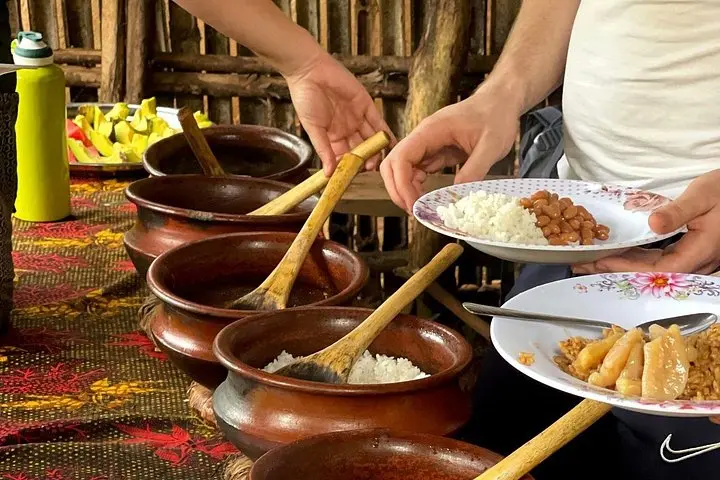
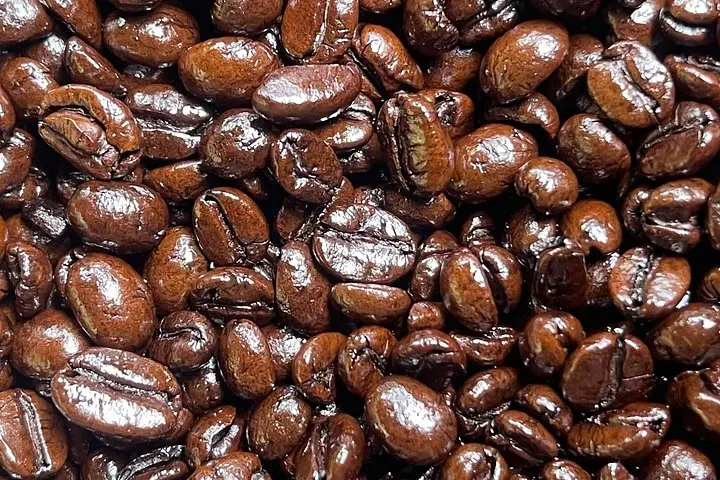
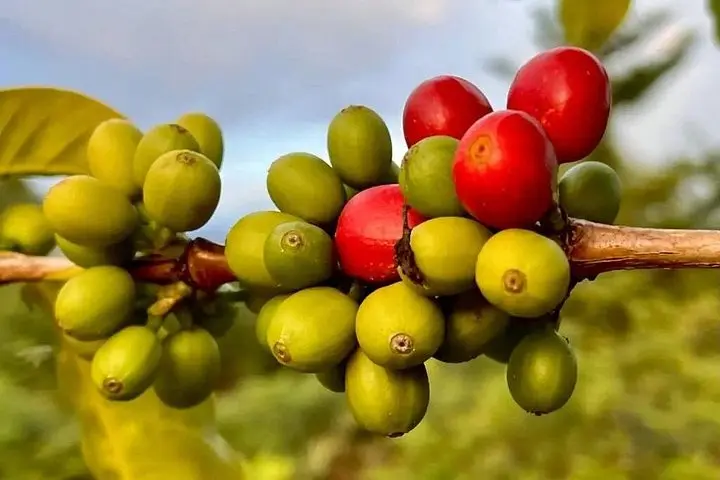
This private walking tasting threads through Kilombero and Soko Kuu markets, where stallholders flip skewers and stack tropical fruit in bright piles. Guides point out regional dishes — Tanzanian pilau, mishkaki (grilled meat), vitumbua (coconut rice cakes) — and explain how trade routes and local crops shaped flavors. Arusha sits at the edge of the Eastern Rift; volcanic soils and proximate highlands influence the coffee, bananas and maize you taste here.
Beyond food, the tour traces cultural markers: migrant communities from coastal and inland regions, post-colonial market rhythms, and small-scale vendors sustaining family livelihoods. The BBQ street market is social theater — smoke curling, conversations loud, and quick commerce pushing the evening forward.
Practically, expect about seven hours of mostly level walking between clustered markets and food stalls, with frequent stops to sample and ask questions. Guides accommodate dietary restrictions and will advise on what to try if you avoid meat or gluten. Bring cash in small bills, comfortable shoes for uneven pavement, and a reusable bottle — vendors provide bottled water but carrying your own helps reduce plastic. Start in the late afternoon for livelier BBQ stalls and milder temperatures.
This is a sensory, civic and culinary primer on Arusha: not just what to eat, but why the city tastes the way it does — and how to move through it respectfully and well prepared.
Frequently asked questions
The tour runs about seven hours and includes multiple tasting stops and walking between markets.
Yes—guides can arrange vegetarian, vegan and gluten-free options if you indicate restrictions at booking.
Yes; the pace is easy with frequent stops, but participants should be comfortable walking on uneven surfaces for several hours.
Local guides commonly speak English and Kiswahili; confirm available languages when booking if you need another language.
About This Experience
Fahari Safaris operates guided outdoor trips and adventures with an emphasis on safety, stewardship, and memorable experiences.
Adventure tips
Recommended gear
- Comfortable closed-toe shoes: Protects feet from uneven pavement and crowded market aisles.
- Reusable water bottle: Keeps you hydrated and reduces single-use plastic while vendors provide bottled water if needed.
- Light rain jacket or windbreaker: Useful for short rain showers and cooler evenings, especially during the long-walk window.
- Small daypack or money belt: Keeps cash, camera and any purchases secure while you move through busy markets.
Photos of the experience
Related adventures & guides
Read the full experience
You step out onto a sun-warmed street and the city speaks in spices: cloves, roasted maize and charcoal smoke that dares you closer.
You step out onto a sun-warmed street and the city speaks in spices: cloves, roasted maize and charcoal smoke that dares you closer.
This private walking tasting threads through Kilombero and Soko Kuu markets, where stallholders flip skewers and stack tropical fruit in bright piles. Guides point out regional dishes — Tanzanian pilau, mishkaki (grilled meat), vitumbua (coconut rice cakes) — and explain how trade routes and local crops shaped flavors. Arusha sits at the edge of the Eastern Rift; volcanic soils and proximate highlands influence the coffee, bananas and maize you taste here.
Beyond food, the tour traces cultural markers: migrant communities from coastal and inland regions, post-colonial market rhythms, and small-scale vendors sustaining family livelihoods. The BBQ street market is social theater — smoke curling, conversations loud, and quick commerce pushing the evening forward.
Practically, expect about seven hours of mostly level walking between clustered markets and food stalls, with frequent stops to sample and ask questions. Guides accommodate dietary restrictions and will advise on what to try if you avoid meat or gluten. Bring cash in small bills, comfortable shoes for uneven pavement, and a reusable bottle — vendors provide bottled water but carrying your own helps reduce plastic. Start in the late afternoon for livelier BBQ stalls and milder temperatures.
This is a sensory, civic and culinary primer on Arusha: not just what to eat, but why the city tastes the way it does — and how to move through it respectfully and well prepared.
Make a day of it nearby.
Verified experiences and guided adventures in the surrounding area.